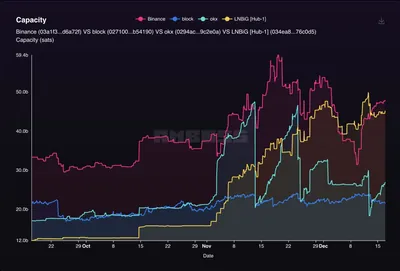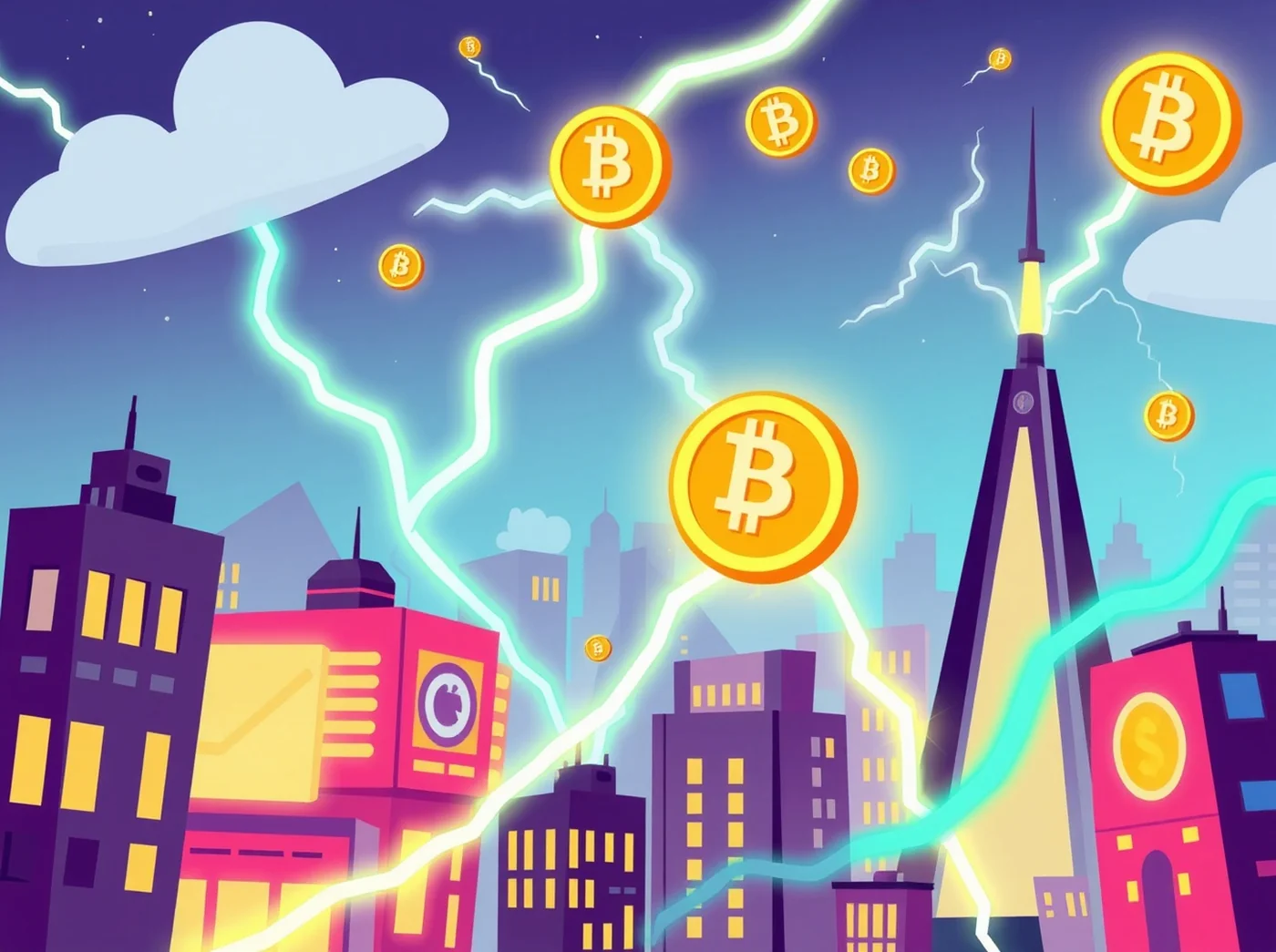
Tether has committed $8 million to the Bitcoin Lightning Network, a move designed to significantly enhance the speed of Bitcoin payments. This investment targets improvements in the network's capacity to process transactions more rapidly, addressing one of the key challenges in Bitcoin's usability for everyday payments.
Overview of Tether's Investment in Bitcoin Lightning Network
The $8 million investment by Tether focuses on accelerating payment speeds within the Bitcoin Lightning Network. By injecting capital into this infrastructure, Tether aims to support the development and scaling of faster, more efficient Bitcoin transactions.
Impact on Bitcoin Lightning Network Payments
This funding is expected to boost the transaction speed of the Bitcoin Lightning Network, making payments quicker and more seamless for users. Enhanced payment speed not only improves user experience but also strengthens the overall Bitcoin ecosystem by facilitating higher transaction throughput and reducing bottlenecks. See also: RedotPay Raises $107M in Series B to Boost Stablecoin Innovation
Tether's Role in Cryptocurrency Infrastructure Development
Tether's strategic investment underscores its commitment to advancing cryptocurrency infrastructure. By supporting the Bitcoin Lightning Network, Tether positions itself as a key player in the evolution of blockchain payment solutions, potentially paving the way for future collaborations and innovations within the crypto space. See also: Visa Launches USDC Payment Services for US Banks
Understanding Bitcoin Lightning Network
The Bitcoin Lightning Network is a second-layer protocol built on top of the Bitcoin blockchain, designed to enable faster and cheaper transactions. It achieves this by creating off-chain payment channels that allow users to conduct multiple transactions without recording each one on the main blockchain, thus significantly increasing payment speed and reducing fees.
Why This Matters
For miners operating in Russia with anywhere from a single device to a thousand, Tether's investment may not directly affect mining operations but signals growing adoption and enhancement of Bitcoin's payment infrastructure. Faster transaction speeds can lead to increased Bitcoin usage, potentially influencing network activity and demand. See also: Understanding JPMorgan's Ethereum-Based Tokenized Money Market Fund
What Should Miners Do?
Miners should stay informed about developments in Bitcoin's payment technologies, including the Lightning Network, as these can impact transaction volumes and fee structures. Engaging with updates on infrastructure improvements helps miners anticipate changes in network dynamics and optimize their operations accordingly.