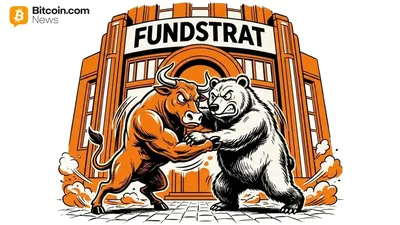
Bitcoin's price is in the indecision zone, a range where neither buyers nor sellers have clear control. Bulls are pressing higher while bears remain ready to push back, creating a tug-of-war that keeps price action uncertain. This article outlines the current picture, the competing market forces and practical responses for miners.
Current Bitcoin Price Analysis
Overview of recent price movements
Price action has moved into a neutral band that traders call an indecision zone, where directional conviction is low and volatility can fluctuate. In such ranges, short-term swings often dominate as market participants wait for clearer triggers to commit in one direction. For a deeper look at recent swings and levels, see our price analysis.
Identification of the indecision zone
An indecision zone is a price band characterized by alternating buying and selling pressure without a decisive breakout. Traders often watch volume, candlestick behavior and key support/resistance inside that band to gauge the next meaningful move. Because the market is balanced here, breakouts or breakdowns from the zone tend to attract attention and participation.
Market sentiment and trends
Sentiment within an indecision zone is mixed: bullish participants try to extend rallies, while bearish participants seek opportunities to reverse them. This push-and-pull keeps momentum indicators and short-term trends choppy, making trend-following methods less reliable until a clear direction emerges. Market participants therefore monitor confirmations rather than act on single signals.
Bulls vs Bears: Market Dynamics
Role of bulls in pushing Bitcoin's price
Bulls contribute upward pressure by buying at perceived value points and defending rising levels to build momentum. Their activity can produce higher intraday highs and sustained push attempts, but in an indecision zone those moves often meet immediate resistance. Observing how bulls respond to pullbacks inside the zone helps assess whether upward momentum can persist.
Influence of bears lurking in the market
Bears counter by selling into strength and testing support levels to sap bullish conviction. In a neutral band, these sellers can trigger sharp reversals when bullish attempts fail to attract follow-through. The coexistence of active buyers and sellers is what creates the indecision characteristic.
Historical context of similar market conditions
Periods of indecision are common across market cycles and typically precede clearer directional moves once a catalyst appears. Traders often treat these ranges as consolidation phases where positions are adjusted rather than initiated in size. Reviewing past precedents can help frame risk management and scenario planning.
Future Predictions and Strategies
Potential scenarios for Bitcoin's price
From a neutral starting point, multiple scenarios are plausible: the price can break higher if buyers gain conviction, break lower if sellers dominate, or remain range-bound until a new catalyst appears. Each outcome requires different risk management and sizing approaches, so planning for several possibilities is prudent. For broader scenario frameworks, consider reading related forecasts such as Bitwise scenarios.
Strategies for traders and investors
In an indecision zone, many traders prefer smaller position sizes, tighter risk controls and waiting for confirmation before adding exposure. Momentum-based entries are less reliable, so layering positions and using stop-losses aligned with the zone boundaries can reduce rapid adverse moves. Long-term investors may use the period to reassess allocations without forcing immediate trades.
Expert opinions and market forecasts
Market observers often emphasize scenario planning over single-point predictions when price sits in an indecision zone. The emphasis is typically on confirmation and risk management rather than forecasting exact turning points. Using multiple technical signals together can provide better context for decision-making.
Why this matters
If you run mining equipment, knowing that Bitcoin's price is in an indecision zone helps set expectations for short-term revenue volatility and trading opportunities. Even if the range itself doesn't change your day-to-day operations, it affects decisions about when to hold mined coins, when to sell and how to size discretionary trades. Understanding the balance between bulls and bears helps you avoid reacting to every swing.
For miners in Russia with anywhere from a single rig to a small farm of hundreds, the practical impact often comes through payout timing and cash-flow planning rather than immediate operational changes. Keeping an eye on price behavior inside the indecision zone lets you plan withdrawals, budget for electricity and schedule maintenance without relying on directional certainty. Staying disciplined on costs remains the most direct way to preserve margins.
What to do?
- Monitor price and liquidity: track intraday ranges and watch for clear breakouts above or below the indecision band before making large trades.
- Control operating costs: prioritize energy efficiency, scheduled maintenance and firmware updates to avoid unexpected downtime that hurts margins.
- Manage mined-coin exposure: consider staged selling or dollar-cost averaging to reduce timing risk while the market is indecisive.
- Use risk limits: set position sizes and stop-loss levels that protect capital in case the price breaks sharply in either direction.
- Keep records and plan: document your thresholds for action so you can respond quickly and consistently when the market clarifies its direction.