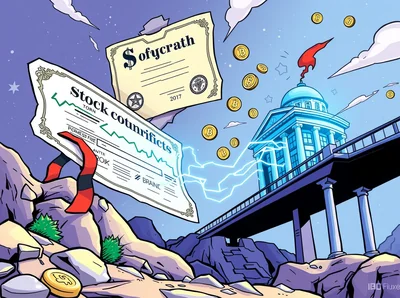
Sid Powell, CEO and co-founder of Maple Finance, expressed in an interview with CoinDesk a concise thought: "DeFi is dead." This statement does not mean the end of decentralized finance technologies but rather the disappearance of the boundary between DeFi and traditional markets — in his view, the industries will become one.
What Does "DeFi Is Dead" Mean?
Powell explains that by "death" of DeFi, he means the end of viewing decentralized tools as a separate ecosystem. In the next couple of years, according to him, institutions will stop distinguishing between DeFi and TradFi, and blockchain will become a standard technological layer for settlements and clearing in capital markets.
In his metaphor, this is similar to the shift from offline retail to e-commerce: the functions remain, but the infrastructure layer on which they operate changes. This transition implies moving from legacy settlement systems to public ledgers with on-chain settlements.
The Role of Stablecoins in the New Financial System
Powell highlights stablecoins as a key tool accelerating this transition: he forecasts they could process $50 trillion in transactions by 2026. He believes using stablecoins for settlements reduces costs for merchants and small businesses, returning a significant portion of margin to merchants compared to card network fees.
This trend is already supported by major players: banks and payment companies are launching or considering issuing their own stablecoins, and payment networks are creating settlement rails for digital money. Such a shift changes the economics of settlements and strengthens the role of tokenized deposits and other digital forms of money.
DeFi Market Outlook
According to Powell, the DeFi market could grow to $1 trillion in the coming years, while the current total industry capitalization is about $69 billion according to CoinMarketCap. He links sector growth to the increased supply of stablecoins and the tokenization of real-world and crypto assets.
In this scenario, the increase in TVL (total value locked) in DeFi directly depends on the market capitalization of stablecoins and the volume of tokenized assets transitioning to on-chain settlement and collateral formats.
Regulatory and Technological Challenges
Powell emphasizes that a full transition will require an adequate regulatory framework that allows institutional players to safely hold and use digital assets at capital market scale. Without such rules, large holders, funds, and risk managers are unlikely to begin mass migration of liquidity into new instruments.
Simultaneously, technical adaptation of infrastructure and integration with existing financial systems remain key tasks. Examples of moves toward tokenization are already appearing in the industry and discussed professionally, including initiatives for tokenizing government bonds and institutional projects like bond tokenization and moderate-scale blockchain fund launches such as the JPMorgan fund.
Why This Matters
For miners with any scale of equipment, changes in market infrastructure do not necessarily imply direct and immediate impact on mining but have potential effects on the surrounding ecosystem. If settlements and settlement assets move on-chain, this could alter demand for infrastructure, from trading services to liquidity gateways you use.
Moreover, growth in stablecoins and tokenization creates new market niches and interaction points between miners, exchanges, and institutional players, so it’s important to monitor developments in custodial storage practices, payment system integration, and exchange liquidity pool interactions.
What to Do?
If you have between 1 and 1000 devices, start with basic steps: check wallet security and backups, ensure reliable withdrawal channels, and keep miner and controller software updated. This reduces operational risks during possible integration with new settlement and exchange services.
Follow developments in stablecoins and asset tokenization — this will help assess new trading and liquidity opportunities. Also, be ready to adapt to changes in settlements and payment rails: learn how your wallet and platforms handle stablecoins and tokenized assets.
Finally, maintain diversification of income and withdrawal channels: as DeFi and TradFi gradually integrate, having multiple options for revenue conversion and storage helps minimize operational disruptions and leverage new financial instruments.
Frequently Asked Questions
What does "DeFi is dead" mean in practice? According to Powell, it means DeFi will no longer be viewed separately from traditional finance — blockchain will become a standard infrastructure layer for market settlements.
How realistic is the $1 trillion DeFi market forecast? Powell believes that with growth in stablecoin capitalization and asset tokenization, the space can reach this valuation in the coming years; current DeFi market cap is about $69 billion per CoinMarketCap.
Should miners change anything right now? There are no mandatory immediate steps, but it makes sense to strengthen security, monitor stablecoin integration and tokenization, and prepare for new liquidity and settlement opportunities.