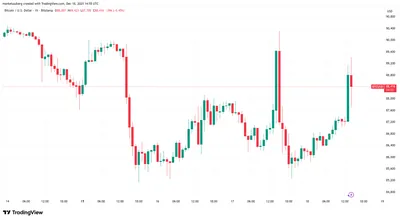
In November, the US Consumer Price Index (CPI) decreased by 0.3%, with the annual rate without seasonal adjustment at 2.7% — compared to 3% in October. Core CPI, which excludes food and energy prices, rose seasonally adjusted by 0.2%, but on an annual basis was 2.6%, dropping to its lowest level since 2021. The release came in below expectations, as experts had forecast an annual CPI of 3.1%.
US Inflation Data for November
The overall index fell by 0.3%, reflecting mixed dynamics within the basket: energy prices increased by 1.1%, food prices by 0.1%. The seasonally adjusted index for all categories except food and energy showed a 0.2% rise. A key detail is that Core CPI was below consensus forecasts, indicating a calmer inflation picture in core categories.
Financial Market Reaction
Following the data release, the S&P 500 declined by 1.1% to $6,721, while the NASDAQ 100 strengthened by 1.1% to $25,172. Financial indices showed mixed responses, reflecting differences in sector composition and sensitivity to inflation expectations. Meanwhile, Bitcoin’s price increased by 1.5%, and Ethereum rose approximately 2%, impacting the overall cryptocurrency market capitalization.
Impact on the Cryptocurrency Market
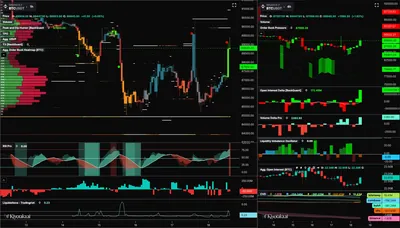
Bitcoin rose 1.5%, trading near $88,800, Ethereum approached around $2,900, and the crypto market capitalization decreased by 0.3% according to CoinGecko. At the same time, derivatives traders hedged against Bitcoin falling below $85,000, highlighting heightened participant attention to volatility boundaries. If you’re curious why cryptocurrency didn’t maintain higher levels earlier, check out the article on why Bitcoin didn’t hold, which helps explain recent market movements.
Analysts’ Forecasts and Expectations
The published data fell short of forecasts: analysts expected an annual CPI of 3.1%, but the actual figure was 2.7%. Core CPI was also below consensus — 2.6% actual versus 3% forecast — marking an important indicator for assessing inflation trends. Such discrepancies between forecasts and actuals influence short-term market reactions and participant decisions, including in the derivatives market.
Why This Matters
For miners, even with small operations, CPI data is important primarily because it affects currency and market volatility, thus impacting the ruble valuation of crypto assets and mining profitability. The data release itself does not change the technical parameters of equipment operation but can influence trading activity and liquidity, which determine the ability to quickly convert mined assets.
What to Do?
- Monitor price and liquidity: keep your reserve funds organized and have a plan for converting mined assets in case of sharp market movements.
- Review energy costs and tariffs: reassess current margins at prevailing cryptocurrency prices and consider possible short-term fluctuations.
- Consider risks and hedging: if holding significant balances, explore simple risk management tools or locking in part of your revenue.
- Maintain equipment: use periods of relatively calm volatility for scheduled maintenance and updates to minimize unplanned downtime.
If you want to better understand market reactions to macro data, it’s also helpful to read about the current Bitcoin volatility following employment reports and other indicators. This will help compare reactions to different data releases and apply insights to your mining practice.