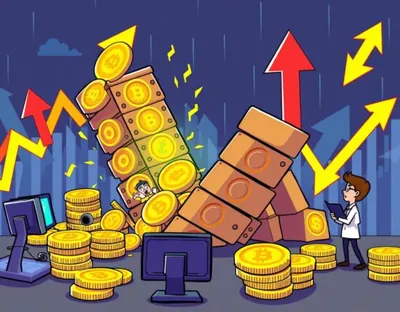
In a recent 24-hour period, the crypto futures market experienced a significant storm resulting in liquidations totaling $370 million. This event highlights the volatility inherent in crypto futures trading and the substantial financial impact such market movements can have on traders.
Overview of Crypto Futures Liquidations
Crypto futures liquidations occur when leveraged positions are forcibly closed due to insufficient margin, often triggered by rapid price changes. The recent market storm led to an unprecedented $370 million being wiped out within a single day, underscoring the risks associated with futures trading in volatile conditions.
Factors Contributing to the Market Storm
Several elements contributed to this intense market activity. High volatility and sharp price swings unsettled trader positions, especially those using significant leverage. Additionally, external factors such as economic developments or regulatory announcements may have influenced market sentiment, exacerbating the sell-off and triggering widespread liquidations.
Impact on the Crypto Market
The immediate effect of these liquidations was marked short-term price fluctuations, causing notable losses for many traders. Market sentiment was affected as confidence wavered, potentially influencing futures trading behavior in the near term. While the long-term consequences remain to be seen, such events often lead to increased caution among market participants.
Strategies to Manage Risks in Crypto Futures Trading
Given the risks highlighted by this market storm, traders should prioritize effective risk management techniques. Controlling leverage levels is essential to avoid forced liquidations during volatile periods. Employing stop-loss orders can help limit losses, while diversification across assets may reduce exposure to sudden market swings.
Why This Matters
For miners and traders operating in Russia with varying numbers of devices, understanding the scale and causes of such liquidations is vital. Even if your operations are not directly involved in futures trading, market volatility can influence overall crypto prices and profitability. Awareness of these dynamics helps in making informed decisions and preparing for potential market shifts.
What You Can Do
Stay informed about market conditions and be cautious with leverage if you engage in futures trading. Implement risk management strategies such as setting stop-loss orders and diversifying your portfolio. For miners, monitoring market trends can aid in timing asset sales or purchases to optimize returns amid volatility.