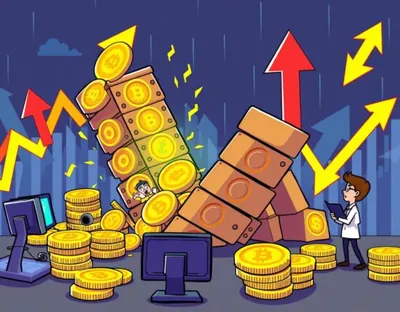
Within one hour, the cryptocurrency market experienced a massive futures liquidation totaling $101 million. This event stands out due to the scale of canceled positions and sparked significant discussions among market participants.
What Happened in the Cryptocurrency Market?
In just one hour, futures worth $101 million were liquidated—a fact that caught the attention of both professional and retail market participants. Such an event can intensify short periods of increased selling and buying pressure due to automatic forced position closures and reduced liquidity.
If you want to compare this with other similar episodes, a useful reference is the analysis of previous liquidations, which highlights comparable activity spikes and their impact on trading.
Causes of the Futures Liquidation
Sudden liquidations like these often result from a combination of factors rather than a single cause; possible explanations include the accumulation of highly liquidated positions and sharp price movements. External market triggers and order execution specifics on certain platforms may also play a role.
It is important to remember that these considerations are analytical in nature: the exact picture is provided only by data from specific exchanges and participants, which are not included in this article.
Consequences for Traders and Investors
Large liquidations typically increase volatility and can lead to short-term liquidity shortages, causing more abrupt price fluctuations. This heightens risks for those using leverage or holding large one-sided positions and demands greater attention to margin management.
For long-term investors, such events may be episodic and not alter fundamental plans; however, they underscore the importance of reviewing exit strategies and response scenarios during sharp market moves—see more on similar scenarios in the liquidation analysis.
Why This Matters
For miners in Russia, this event is notable because large liquidations affect short-term price and liquidity: during high volatility periods, supply and demand can shift rapidly, impacting revenue from selling mined coins. Direct effects on the mining process itself are usually indirect—through price channels and market sentiment.
Additionally, such spikes emphasize the need to have a plan for sudden market changes, control electricity costs, and consider possible delays when selling mined cryptocurrency.
What to Do?
Below are practical steps miners with any scale of equipment—from home setups to small farms—should consider.
- Monitor volatility and liquidity: keep an eye on major order books and overall market indicators to understand when trading becomes riskier.
- Consider storage diversification: keep some funds in reserve and stagger sales to avoid unfavorable price spikes during mass liquidations.
- Optimize electricity and expenses: during sharp market moves, quickly assess mining profitability and adjust load or equipment operation modes if necessary.
- Prepare an emergency action plan: outline steps to take during strong fluctuations—temporary load reduction, postponing sales, checking reserves.
- Update market knowledge: study explanations of major episodes and their consequences to better adapt operational decisions in the future.