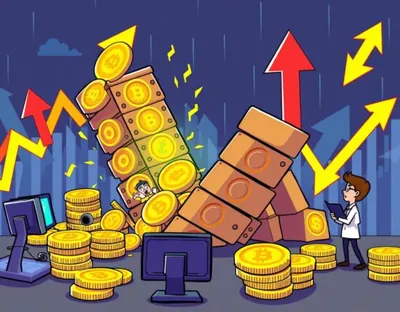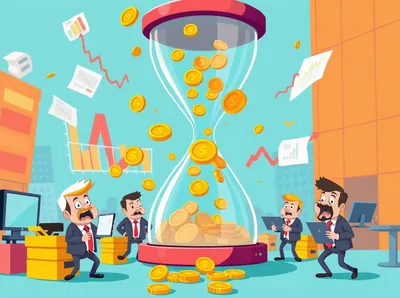
In a dramatic event for the cryptocurrency sector, the markets witnessed a massive futures liquidation totaling $210 million within a single hour. This sudden occurrence led to significant price fluctuations across various digital assets, highlighting the inherent risks and volatility present in crypto trading.
Overview of the $210 Million Futures Liquidation Event
The crypto markets experienced a rapid and large-scale liquidation of futures positions, amounting to $210 million. This event unfolded over a short period, causing immediate and noticeable impacts on asset prices. Such a substantial liquidation reflects the sensitivity of crypto markets to leveraged trading and sudden shifts in sentiment.
Understanding Futures Liquidation in Cryptocurrency Trading
Futures liquidation occurs when a trader's leveraged position is automatically closed by the exchange due to a lack of sufficient collateral to cover potential losses. This process is designed to prevent further losses for both the trader and the platform. When liquidations happen on a large scale, they can lead to accelerated price movements, affecting not only individual traders but the broader market as well.
Market Volatility and Its Role in Crypto Futures
Market volatility refers to the rapid and unpredictable changes in asset prices. In the context of crypto futures, high volatility can quickly erode the margin supporting leveraged positions, triggering forced liquidations. Historically, periods of intense volatility have often led to waves of liquidations, amplifying market movements and sometimes resulting in cascading effects across multiple assets. See also: Inside the $109 Million Hour That Shook Crypto Futures Markets
Implications for Crypto Investors and Traders
Futures trading offers opportunities for profit but also comes with significant risks, especially during volatile market conditions. To mitigate the risk of liquidation, traders should consider strategies such as setting stop-loss orders, using lower leverage, and maintaining adequate collateral. Understanding the mechanics of liquidation and the role of volatility is essential for anyone participating in crypto derivatives markets. See also: Crypto Liquidations Reach $394.5M: Bitcoin and Ethereum Lead Losses
Why This Matters
For miners and crypto enthusiasts in Russia, such major liquidation events serve as a reminder of the unpredictable nature of the market. Price swings can affect mining profitability and the value of held assets, making it important to stay informed about market dynamics.
What to Do?
- Monitor market conditions closely, especially during periods of high volatility.
- Consider risk management strategies like stop-loss orders and prudent leverage use.
- Stay updated on major liquidation events, as they can signal broader market shifts that may impact mining operations and asset values.