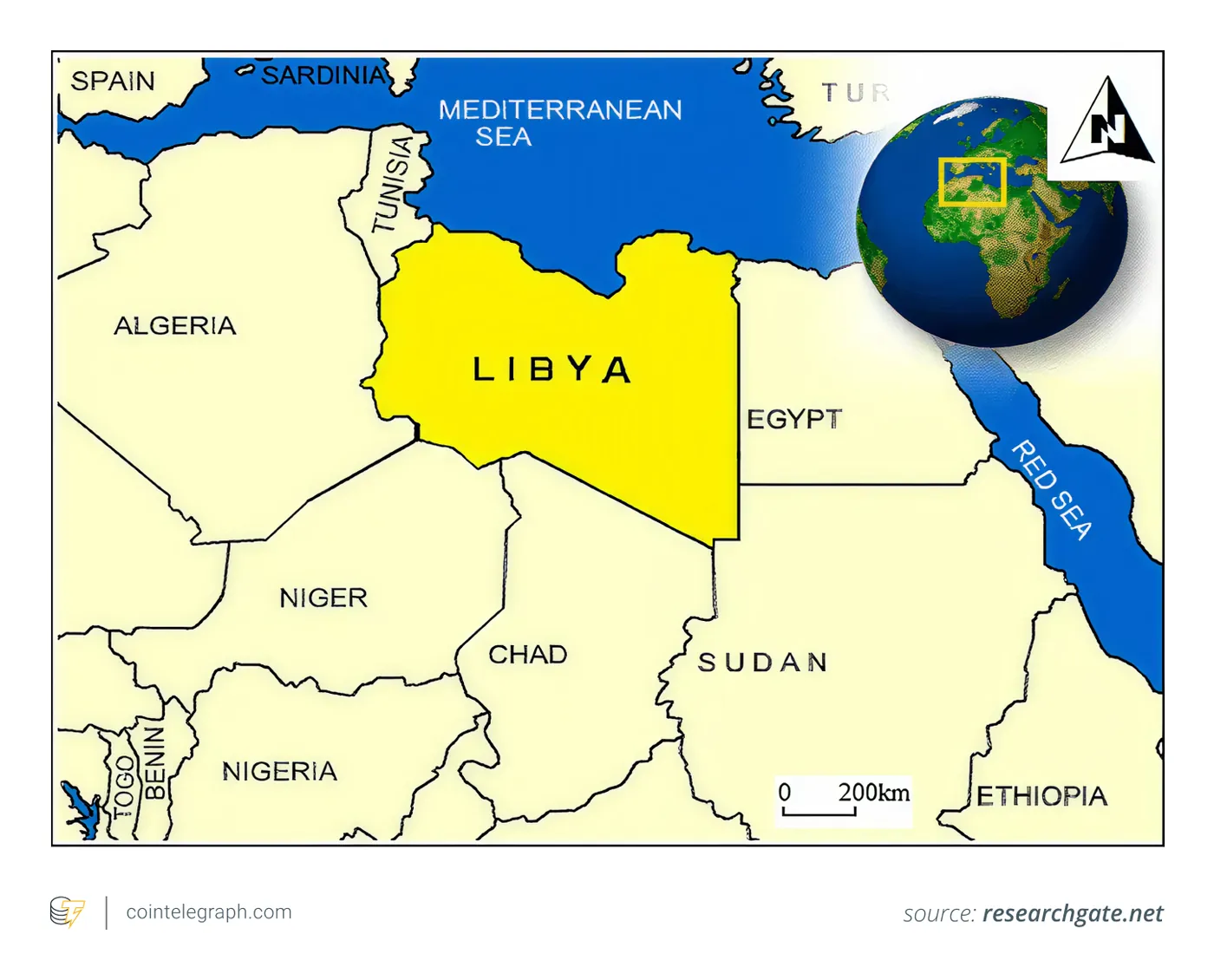
Cheap and subsidized electricity has turned Libya into a notable yet hidden center for Bitcoin mining. Even older ASIC rigs remain economically viable at a rate of about $0.004 per kilowatt-hour, attracting both local and foreign operators.
How Cheap Electricity Made Libya a Mining Hub
The main driver is artificially low electricity tariffs: gradually, all mining advantages boil down to energy costs. At such prices, even outdated devices can be profitable, leading to an influx of used equipment into the country that would be unprofitable elsewhere.
This also impacted global metrics: estimates suggest Libya contributed around 0.6% of the global Bitcoin hashrate in 2021. At the same time, the country's network is poorly protected and loses a significant share—up to 40%—of generated electricity due to damage, theft, and technical losses.
The Underground Mining Boom in Libya
Mining farms were set up in abandoned workshops, warehouses, and industrial zones where high electricity consumption went unnoticed for longer periods. Operators used various masking techniques, including burying or encasing components to reduce thermal visibility and complicate detection.
Raids and arrests became regular: in April 2024, over 1,000 devices were seized in Benghazi with an estimated monthly profit of around $45,000. Later operations extended to Zliten and Misrata, where courts handed down severe sentences. Details of the raids and criminal cases can be found in the report on raids on underground farms.
Legal Status of Mining in Libya
The legal situation remains ambiguous: the Central Bank of Libya declared virtual currencies outside legal protection back in 2018, but there is no direct law banning mining as a process. Instead, operators are more often prosecuted for related violations—importing prohibited equipment, electricity theft, or possible use of proceeds in illegal schemes.
In 2022, the Ministry of Economy banned the import of mining equipment, but smuggling channels continue to supply devices. Similar mass equipment seizures have been reported in other regional countries, such as the seizures in Iran, highlighting common risks for states with cheap energy and weak control.
Impact of Mining on Libya's Power Grid
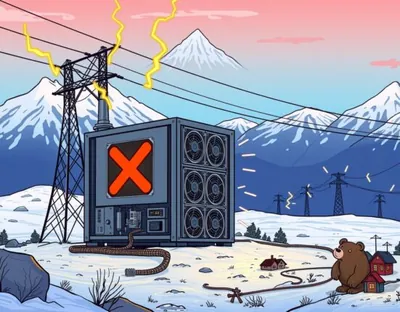
Regardless of legal uncertainty, mining places a steady load on an already vulnerable network. Estimates suggest miners’ activity at its peak could consume about 2% of national electricity production, which amid frequent outages and resource shortages leads to real disruptions for homes, hospitals, and institutions.
Seizures of large farms and prosecution of operators are authorities’ responses to the visible redistribution of public energy into private profits. Such measures are both punitive and symbolic, as finding and shutting down thousands of small rigs is more difficult than targeting a few large hubs.
The Future of Mining in Libya
Libyan authorities face a choice between integrating mining—through licensing, accounting, and taxation—and cracking down on the entire industry via bans and criminal charges. Both paths require clear regulations and energy resource management; otherwise, conflicts between miners’ demand and societal needs will intensify.
Currently, the state relies on criminal measures and import bans, but the incomplete legal framework leaves room for further disputes and new raids that may affect both large and small operations.
Why This Matters
If you mine from Russia, these events show how low energy prices and weak oversight create an underground industry that triggers harsh crackdowns. Raids, large seizures, and prison sentences in Libya illustrate potential risk escalation for operators in countries with unstable regulation.
Even if you don’t plan to operate in Libya, understanding these dynamics is important: access to cheap energy attracts risk-takers, while states respond with bans, criminal cases, and equipment confiscations—all impacting international supply chains and hardware availability.
What to Do?
Practical steps for miners with 1–1,000 devices living and mining in Russia are minimal and clear: comply with local laws and calculate energy costs to avoid reliance on vulnerable schemes. Avoid illegal connections and importing equipment through dubious channels, as this increases risks of prosecution and asset loss.
Track energy consumption carefully and review contracts with electricity providers. Stay informed about regulations and raids in countries with cheap electricity, since international operations targeting equipment seizures and supply chain closures can affect component availability and prices. If managing a farm, consider backup plans and transparent reporting of energy use.