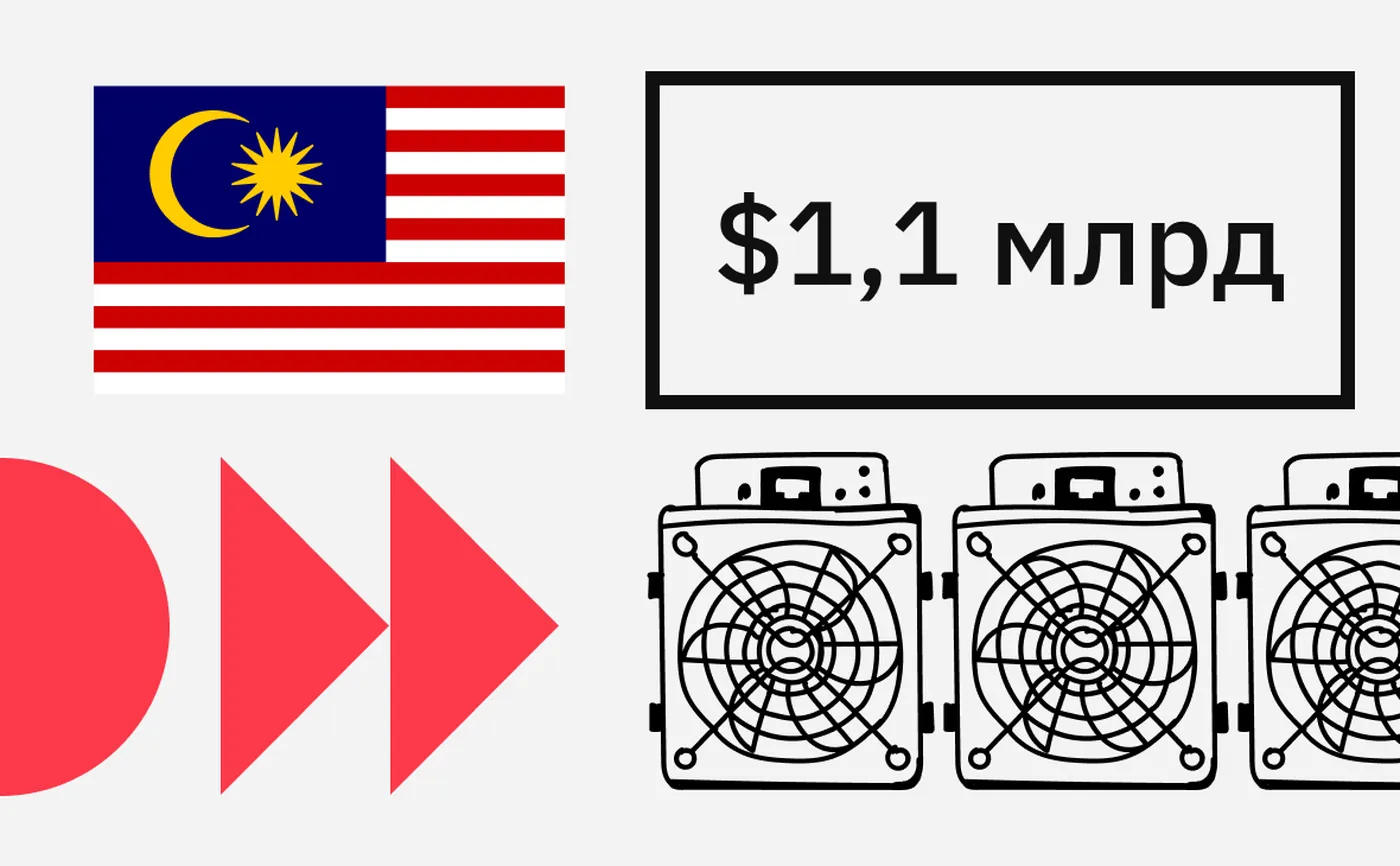
Illegal crypto miners in Malaysia have stolen electricity worth more than $1 billion in less than five years, placing a significant strain on the industry and energy companies. Malaysia's Ministry of Energy recorded 13,827 cases of unauthorized electricity use for cryptocurrency mining from 2020 through August 2024, with the national company incurring losses amounting to billions of ringgits.
Scope of the Illegal Mining Problem in Malaysia
Electricity theft losses are spread across various regions and consist of numerous individual cases of unauthorized connections. As a result, the national energy company Tenaga Nasional Berhad (TNB) suffered losses totaling 4.6 billion ringgits ($1.1 billion), highlighting the scale of this systemic issue.
- Electricity theft losses exceeded $1 billion over 5 years
- 13,827 cases of illegal electricity use recorded
- Tenaga Nasional Berhad losses amounted to 4.6 billion ringgits
Details on losses and investigations have been published in several reports, including a feature on Malaysia's losses, which compiles data on equipment seizures and government responses.
Measures to Combat Illegal Mining
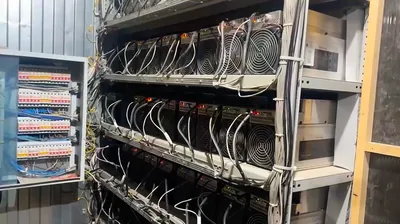
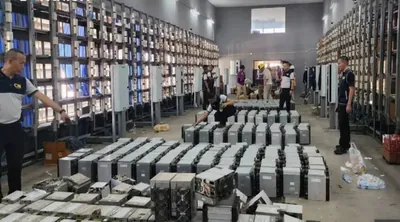
To curb electricity theft, energy companies and law enforcement conduct joint operations that involve seizing equipment and documenting tampering with meters. These operations are organized by TNB representatives alongside police and other regulators, enabling the shutdown of underground farms and recording of violations.
- Joint operations by energy companies, police, and regulators
- Seizure of equipment from illegally connected farms
- Crushing seized equipment with a steamroller in 2021
Summer raids in 2021 culminated in a public disposal of seized equipment: authorities crushed machines and other gear valued at $1.25 million, destroying 1,069 devices under the steamroller.
Legal Status of Mining in Malaysia
Cryptocurrency mining itself is not separately regulated in Malaysia; however, tampering with meters and bypassing metering systems are criminal offenses. Combating electricity theft has been declared a government priority, including in 2024 when losses had already surpassed $700 million.
Illegal Mining Situation in Russia
The issue of illegal miner connections also exists in Russia: in 2024 alone, Rosseti recorded 130 cases of unauthorized connections, with losses exceeding 1.3 billion rubles following inspections. Recent reports indicate that Russian lawmakers are discussing bills to impose liability for violations related to mining.
Last year’s inspections in Russia led to over 40 criminal cases, underscoring the serious approach to crimes involving electricity theft for mining. For regional comparisons, see the article on mining farms in Kemerovo Oblast.
Why This Matters
If you mine at home or operate a farm with up to 1,000 devices, the scale of such thefts means increased scrutiny from energy providers and law enforcement on unusual consumption patterns. Cases involving metering bypass or unauthorized connections can lead to criminal or administrative consequences, regardless of farm size.
Even if operating legally, the rise in raids and inspections raises the risk of sudden outages or audits, affecting electricity availability and stability in certain areas. Therefore, understanding that the situation in Malaysia and similar cases in Russia lead to stricter controls is important.
What to Do?
If you have up to 1,000 devices, verify the legality of your connection and the accuracy of electricity metering: ensure meters are unmodified and there are no homemade network taps. If in doubt, contact your energy provider and keep contracts and documents to prove lawful consumption during inspections.
- Check meter integrity and seals; avoid homemade network branches.
- Keep contracts and receipts; respond promptly to notifications from energy networks.
- When inspectors arrive, request formal reports and protocols; consult a lawyer if needed.
These simple steps help reduce risks of claims from energy companies and law enforcement and protect your equipment investments. If planning to expand, do so officially with transparent electricity accounting to avoid issues like those seen in Malaysia and Russia.