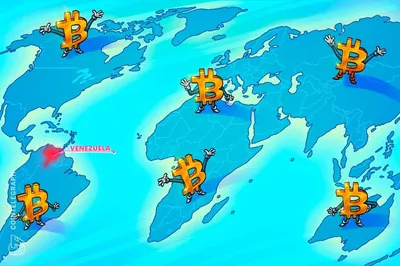
Venezuelans responded to recent U.S. military action by rapidly converting bolivars into the USDT stablecoin, creating an acute local shortage and driving the price up sharply on peer-to-peer markets. The stablecoin’s value rose to about $1.40 in local trading, a premium near 40% over its usual peg. This movement was described by industry observers as ordinary residents seeking to preserve value rather than speculative buying.
USDT Demand Surge in Venezuela
The immediate trigger for the market shift was confirmed U.S. airstrikes, after which P2P cryptocurrency markets recorded a marked price dislocation for Tether’s USDT. Because supply on local P2P venues could not keep pace with urgent demand, buyers paid a significant premium to exit the bolivar. The surge was driven largely by households moving savings into a dollar-linked digital asset perceived as more stable than the national currency.
Geopolitical Impact on Crypto Adoption
The intervention intensified a longer trend of using digital dollar proxies as alternatives to physical cash, and the event underscores how geopolitical shocks can accelerate crypto adoption. Access to smartphones and decentralized platforms allowed a rapid, digital shift away from traditional means of preserving value, even amid connectivity and regulatory constraints. For additional context on dollar-linked crypto in Venezuela’s economy, see USDT in oil sales and related local use cases.
Expert Analysis on USDT Premium
Li Haonan, co‑founder and CEO of Codex, framed the premium as a protective reaction: “The 40% premium observed in Venezuela was not a speculative bubble,” Haonan stated. “It was a classic flight-to-safety response, compressed into a digital arena.” This characterization distinguishes emergency-driven demand from routine market speculation and highlights why ordinary users prioritized immediate value preservation.
Mechanically, peer-to-peer platforms supplied most of the accessible liquidity during the surge, since they connect buyers and sellers outside formal banking rails. The elevated premium therefore functioned as a real-time indicator of fear and urgency: higher prices signalled greater pressure to exit the bolivar quickly.
Practical Challenges of Using USDT in Crisis
Acquiring USDT in this environment typically involves using P2P trading on exchanges where local buyers and sellers agree settlement terms directly. Trades are often settled via bank transfers or in-person cash exchanges, with USDT sent to the buyer’s wallet once payment is confirmed. These workflows work when infrastructure and counterparties are available, but they introduce several execution hurdles.
- Common risks include counterparty fraud, payment reversals, and failed transfers during the transaction window.
- Technical barriers such as wallet setup, private key management, and intermittent connectivity can prevent clean settlement.
- Paying a large premium exposes buyers to the risk that the price may fall later, leaving holders worse off in local terms.
Broader Implications for Global Markets
The Venezuela episode shows stablecoins functioning as financial lifelines in acute crises, a pattern likely to draw scrutiny from central banks and regulators tracking systemic effects. Issuers like Tether Limited face pressure to demonstrate reserve sufficiency if concentrated, regionally clustered demand leads to redemption stress. At the same time, the price gap opened opportunities for external sellers to arbitrage into the market, which could help normalize local prices over time.
For more on how Venezuela’s crypto usage ties into its energy sector and revenues, see USDT and oil economy, which explores related dollar-linked flows and challenges.
Почему это важно
Если вы майните в России с любым количеством устройств, это событие важно потому, что оно показывает, как быстро локальные шоки могут изменить ликвидность стейблкоинов и цены на P2P‑рынках. При острой нехватке предложения премии могут появляться быстро, затрудняя обмен в нужный момент и увеличивая операционные риски для тех, кто рассчитывает на быструю конвертацию. Даже если вы не планируете переводить средства в USDT, понимание поведения стейблкоинов помогает оценивать риски ликвидности и возможные арбитражные потоки, которые могут повлиять на глобальные рынки.
Что делать?
- Контролируйте ликвидность: регулярно проверяйте P2P‑спреды на выбранных платформах, чтобы понимать, какие премии и комиссии встречаются при конверсии.
- Храните резерв: держите небольшую подушку в надёжных стейблкоинах или фиате на счёте, к которому у вас стабильный доступ, чтобы не попадать в панику при локальных шоках.
- Безопасность транзакций: используйте проверенные платформы и тщательно верифицируйте контрагентов, избегайте больших наличных сделок без подтверждений.
- Защитите приватные ключи: применяйте аппаратные кошельки и резервные фразы, чтобы быстро и безопасно принимать или отправлять USDT при необходимости.
FAQ
Why did USDT’s price rise above $1 in Venezuela? The premium resulted from a sudden, large jump in demand to convert bolivars into USDT that outpaced available supply on local P2P markets, creating a classic supply-demand imbalance during a crisis.
Was this surge driven by crypto traders? No. Industry observers, including Codex CEO Li Haonan, indicated that the buying largely came from ordinary residents seeking a safe haven for savings rather than speculative traders.
How do people buy USDT in such conditions? Most purchases occur through P2P trading platforms where buyers and sellers agree settlement terms directly, commonly using bank transfers or in-person cash to settle the bolivar side of the trade while USDT is transferred on-chain.
What are the main risks of buying USDT at a high premium? Key risks include the premium collapsing if the crisis eases, execution and fraud risks during settlement, and technical difficulties with wallets and connectivity.