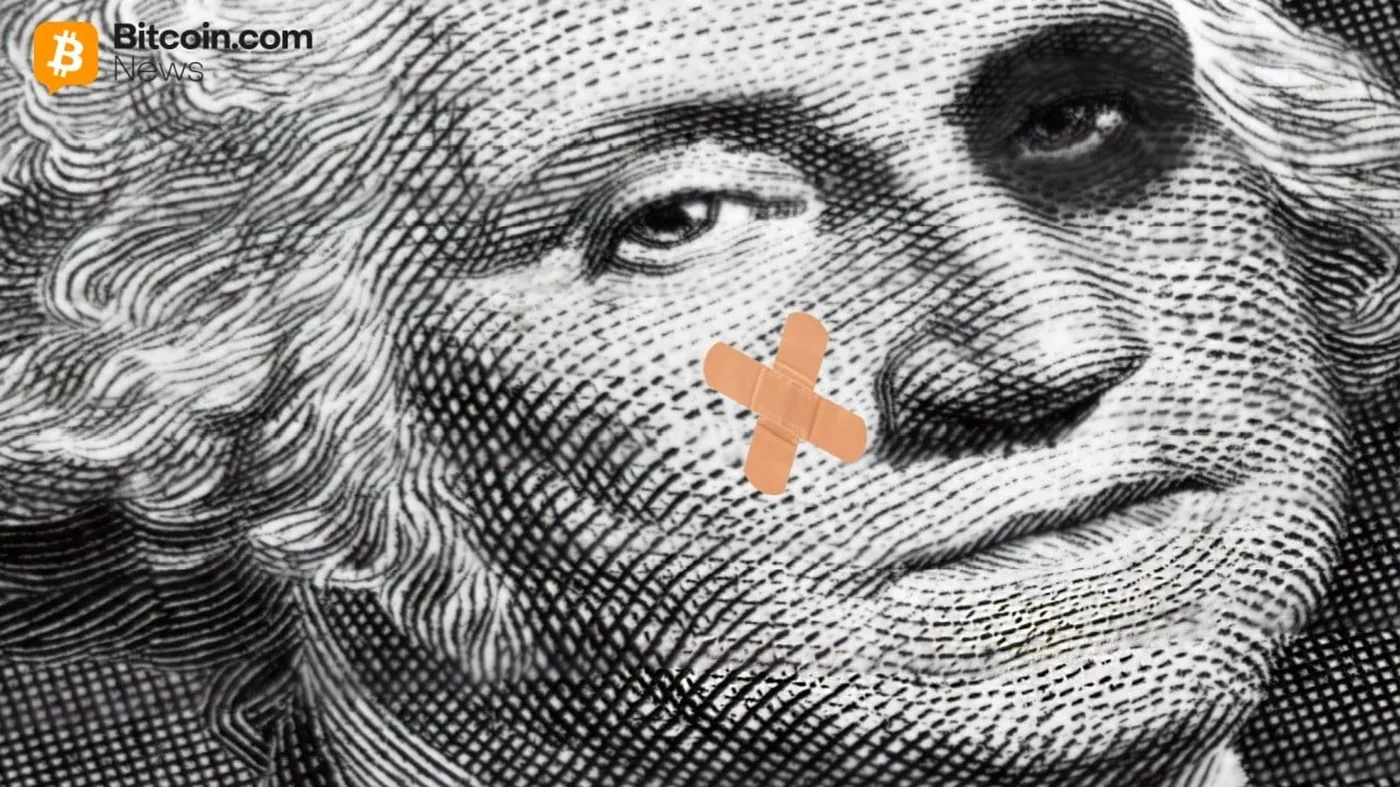
In 2025, the US dollar weakened significantly—the dollar index showed a 9.5% annual decline, marking its largest drop since 2017. Meanwhile, the euro and British pound posted notable gains against the dollar, and some Asian currencies also strengthened. Economic and political factors, including expectations around Federal Reserve rates and US fiscal issues, were identified as key drivers behind the exchange rate changes. Analysts, including those from Goldman Sachs, forecast continued dollar weakness into 2026.
Sharp Decline of the US Dollar in 2025
The dollar experienced a 9.5% annual drop in 2025 against a basket of major currencies, the biggest decline since 2017. This drop reflects coordinated movements across multiple currencies and shifting market expectations. The data clearly indicates a significant loss of the dollar's position in the global currency landscape.
Growth of Other Currencies Against the Dollar
The euro rose 13.5% against the dollar, its best annual performance in eight years, while the British pound strengthened 7.6% in 2025. The Chinese yuan also gained about 4%, surpassing the psychological threshold of seven yuan per dollar. The Japanese yen remained almost unchanged despite two interest rate hikes by the Bank of Japan.
Reasons for the Dollar's Weakness
The source highlights several main factors explaining the dollar's decline: expectations of possible Federal Reserve rate cuts, accumulating fiscal problems, and political pressure from the Trump administration. Together, these factors shift investor expectations and encourage capital redistribution toward other currencies. Key drivers outlined in the report include:
- Expectations of Fed rate cuts.
- US fiscal challenges.
- Political pressure from the Trump administration.
Forecasts for 2026
Goldman Sachs analysts anticipate that the dollar's weakness will continue into 2026, citing a combination of sustained global growth and expected Fed rate cuts. This outlook reflects a market shift toward a more accommodative US monetary policy and changing investor preferences. For a detailed analysis of the relationship between monetary policy and financial markets, see materials on the impact of Fed policy.
Expert and Market Reactions
The report also mentions a concerning assessment by Peter Schiff, who warns of risks to the dollar and describes its position as nearing a "dangerous breaking point." This rhetoric reflects sentiments among some market participants closely monitoring the dollar's reliability as a reserve currency. Combined with forecasts from major banks, this forms several possible scenarios for the dollar's future trajectory.
Why This Matters
For miners in Russia, dollar movements can affect the cost of imported equipment and related expenses, as many supplies and components are priced in dollars. Additionally, exchange rate changes impact the ruble-to-dollar ratio when converting revenue, influencing mining profitability. If you follow the cryptocurrency market, it’s useful to compare these changes with bitcoin trends and other assets, such as in the article on bitcoin’s decline, to understand the broader risk and opportunity landscape.
What to Do?
Practical steps for miners with 1–1000 devices should be straightforward and actionable: assess currency risks, optimize costs, and plan purchases carefully. Below are specific recommendations you can implement immediately.
- Monitor the dollar exchange rate and Fed rate expectations to time major equipment purchases.
- Review procurement and supplier payment strategies: spread out payments when possible and seek local suppliers.
- Analyze profitability in rubles, accounting for potential exchange rate fluctuations when converting revenue.
- Maintain a ruble reserve to cover operational expenses in case of sharp currency swings.
- Keep an eye on related markets and assets—such as precious metals demand and stability; see the article on gold and silver growth.
FAQ
How much did the dollar fall in 2025? The dollar index declined by 9.5% in 2025.
Which currencies performed best against the dollar? The euro gained 13.5%, and the British pound rose 7.6% against the dollar in 2025.
What are the main reasons for the dollar's weakness? The report cites expectations of Fed rate cuts, US fiscal challenges, and political pressure from the Trump administration.
What are the expectations for 2026? Goldman Sachs forecasts further dollar weakness in 2026 amid global growth and anticipated Fed rate cuts.