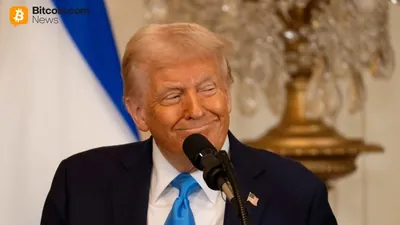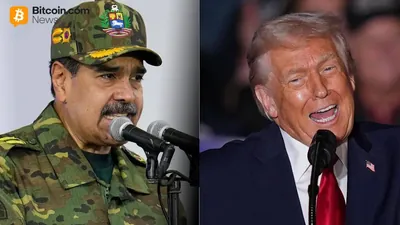
President Donald Trump has been pressing major U.S. oil companies to commit capital to Venezuela’s damaged energy sector, presenting the country as a large but underused oil asset. He discussed putting more than $100 billion into Venezuelan projects and framed the effort as a means to revive output and strengthen U.S. energy options. That enthusiasm ran into resistance when Exxon Mobil’s CEO described Venezuela as “uninvestable,” prompting Trump to publicly criticize the company and suggest it could be excluded from U.S.-backed ventures.
Trump’s Vision for Venezuela’s Oil Sector
Trump pitched U.S. firms on repairing Venezuela’s decayed infrastructure, restarting wells, and recovering oil revenues to justify large investments. He portrayed American oil expertise as able to turn Venezuela’s claimed reserves into productive capacity, noting potential strategic benefits for energy supply. The proposal included investment figures exceeding $100 billion, and the idea was floated during a White House meeting that gathered multiple oil executives.
In the administration’s framing, private capital would rebuild facilities and restart production rather than relying on state funding alone. For readers interested in how energy shifts could affect mining operations, see our analysis of Venezuelan energy access and miners in Venezuelan oil and mining, which explores potential links to power and crypto activity.
Industry Response and Exxon’s Stance
Oil executives responded with caution, citing legal uncertainty, sanctions exposure, and political risk as major barriers to rapid investment. The strongest pushback came from Exxon Mobil CEO Darren Woods, who called Venezuela “uninvestable” given past asset seizures and a lack of durable investment protections. Trump publicly criticized that stance, saying he did not like Exxon’s response and suggesting the company might be left out of U.S.-backed opportunities.
Markets reacted to the confrontation: Exxon shares slipped after the president’s comments, reflecting investor concern about politicized access to overseas projects and corporate participation. For context on how political statements can move markets — including crypto markets — see the coverage of recent price moves in bitcoin price.
Challenges in Venezuela’s Oil Sector
Venezuela officially reports more than 300 billion barrels of oil reserves, yet production has fallen from roughly 3.5 million barrels per day in the late 1990s to under 1 million today. The collapse in output stems from infrastructure decay, capital flight, and governance problems rather than a lack of subsurface resources. Much of the resource base is extra-heavy crude in the Orinoco Belt, which requires costly upgrading, imported diluents, and specialized refining to produce marketable oil.
Because of those technical and economic hurdles, restoring Venezuelan output to meaningful levels would demand sustained, large-scale investment and years of work rather than quick fixes. Executives told the administration that durable legal protections and revised hydrocarbon terms would be necessary before committing the kind of capital Trump floated.
Legal and Diplomatic Implications
Trump’s push and his remarks about excluding certain companies raise legal and diplomatic questions about how the U.S. would manage access to Venezuelan oil. Critics warn that asserting administrative control over assets or politicizing corporate participation could conflict with international norms and complicate U.S. relations in Latin America. The administration appears willing to press forward, but industry leaders continue to stress the need for clear legal frameworks and investment safeguards.
Why this matters
For a miner in Russia with one to a thousand devices, the immediate technical impact of these U.S. discussions is likely limited: the story is about corporate decisions, legal risk, and long-term rebuilding of Venezuelan oil capacity. However, the episode matters because political pressure and company responses can affect market sentiment, investor confidence, and broader energy-policy debates that ripple into commodity and financial markets. In short, the link to mining is indirect but mediated through market moves and regulatory signals that can change operating conditions or electricity costs over time.
What to do?
- Monitor headlines and policy updates: follow official statements and company releases to spot shifts that could affect energy and financial markets.
- Watch power costs and availability: geopolitical news can influence fuel and electricity markets, which matters for operational budgeting.
- Keep liquidity and flexibility: maintain reserve funds or scalable setups to cope with short-term market volatility or changes in energy prices.
- Follow sector analyses: read focused pieces on energy policy and market reaction to understand channels that might indirectly affect mining operations.
FAQ
Why is Trump pushing U.S. oil companies toward Venezuela? He argues that U.S. firms can rebuild Venezuela’s energy infrastructure, tapping its large reserves and supporting U.S. energy interests, and he publicly floated investment sums above $100 billion to that end.
Why did Exxon call Venezuela “uninvestable”? Exxon’s CEO cited past asset seizures, legal uncertainty, and the absence of reliable investment protections as reasons to avoid large-scale investment under current conditions.
Did Trump confirm Exxon will be excluded from projects? Trump suggested Exxon could be excluded from future U.S.-backed ventures after criticizing the company’s stance, but there was no formal announcement of exclusion.