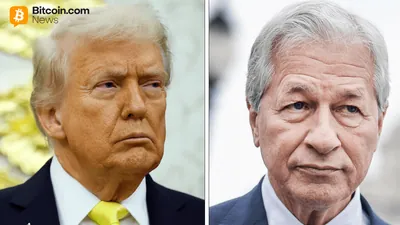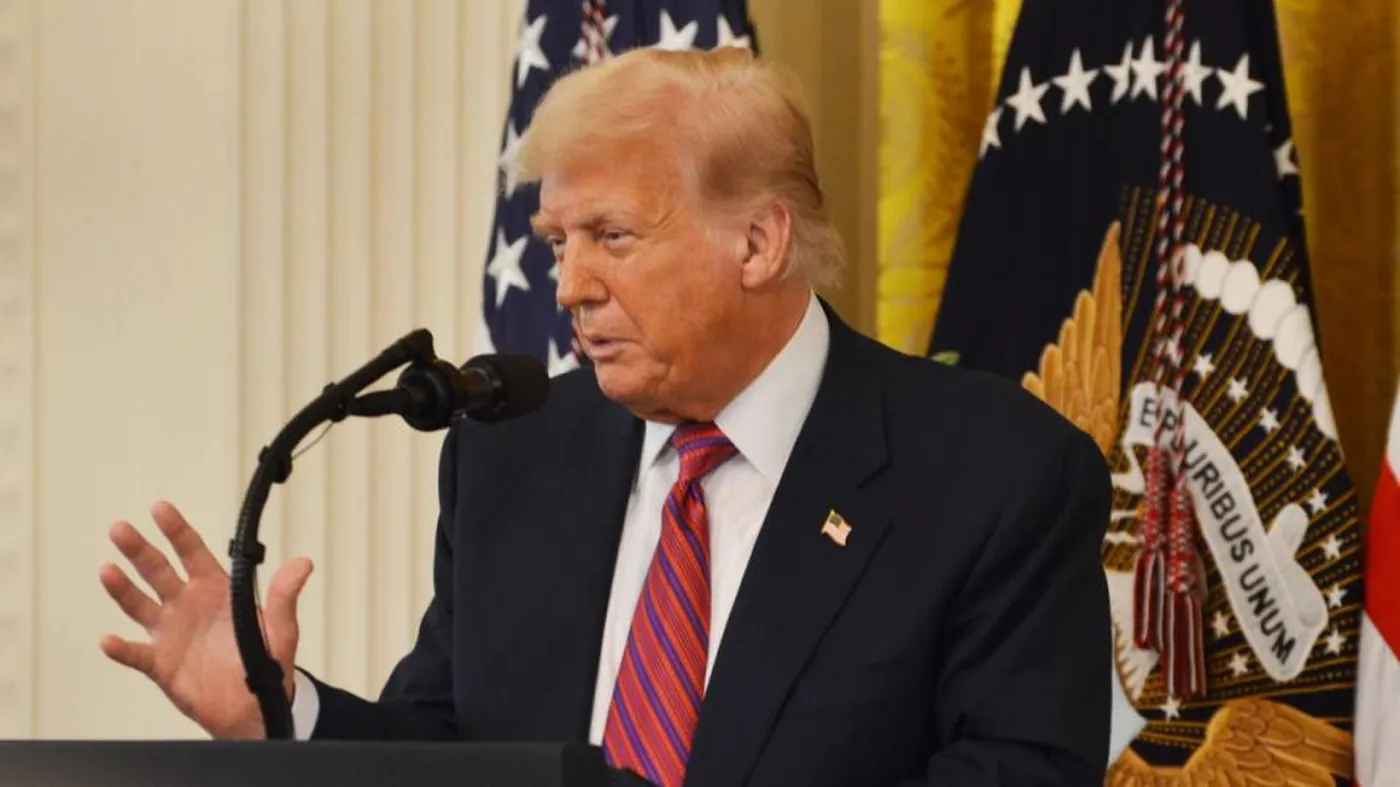
President Donald Trump filed a $5 billion lawsuit against JPMorgan on Thursday, accusing the bank of debanking him and some of his companies in 2021 without merit. The case was filed in Miami‑Dade County in Florida and names CEO Jamie Dimon in claims that include trade libel, breach of good faith and an alleged violation of Florida’s deceptive trade practices law. JPMorgan has publicly responded, saying it believes the suit lacks merit while defending its right to litigate the matter in court.
Trump's Lawsuit Details
The complaint centers on the 2021 account closures and seeks $5 billion in damages. The filing alleges several specific legal wrongs attributed to the bank and its leadership, including statements and conduct that Trump says harmed him and his businesses. The suit frames those actions as both contractual and statutory violations under Florida law.
- Filing of a $5 billion lawsuit against JPMorgan.
- Allegations of trade libel and breach of good faith and fair dealing.
- Claim that CEO Jamie Dimon violated Florida's deceptive trade practices law.
JPMorgan's Response
JPMorgan issued a statement saying it regrets being sued but believes the suit has no merit and that courts are the proper forum to resolve disputes. The bank explicitly stated, "JPMC does not close accounts for political or religious reasons," while also explaining that some account closures stem from legal or regulatory risk assessments. JPMorgan said it has pressed administrations to change rules that create such dilemmas and expressed support for efforts to prevent perceived weaponization of the banking sector.
Background and Context
The lawsuit comes amid earlier public claims and regulatory actions that form its context. Donald Trump Jr. told an audience at Bitcoin Las Vegas that banks had debanked his family for political reasons, a claim cited in the broader narrative around these events. Since retaking office, President Trump signed an executive order aimed at debanking, and appointed regulators such as Comptroller of the Currency Jonathan Gould have warned banks against actions that could look like debanking.
JPMorgan’s broader interactions with the crypto and payments space are covered elsewhere, including pieces on JPMorgan and stablecoins and discussions about institutional crypto trading, which help illustrate the bank’s wider compliance and business considerations. Those items shed light on why large banks sometimes cite legal and regulatory risk when altering customer relationships.
Why this matters
For miners, this case keeps the topic of debanking and banking scrutiny in the public and regulatory spotlight, even if the lawsuit concerns high‑profile political figures rather than individual customers. At the same time, JPMorgan’s public explanation that some account closures result from legal or regulatory risk is a reminder that banks may act on compliance considerations rather than overt political intent. Regulators’ statements and executive actions cited in the suit mean the issue will likely remain visible to banks and policymakers.
What to do?
If you run mining equipment in Russia and rely on bank services, take practical steps to reduce operational friction and be prepared in case of account problems. These measures focus on documentation, diversification and quick response, and they apply whether you operate one rig or a thousand.
- Keep clear records: retain KYC, ownership and transaction documents so you can respond promptly to bank inquiries.
- Diversify accounts: maintain relationships with more than one bank or payment provider to avoid single‑point failures.
- Monitor communications: save emails and notices from banks about account restrictions and ask for written reasons if an account is limited or closed.
- Get legal help if needed: consult a lawyer familiar with banking or commercial disputes before initiating formal complaints or lawsuits.