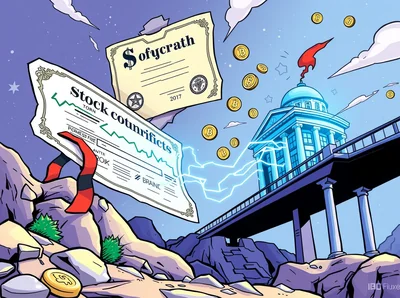
The Depository Trust & Clearing Corporation (DTCC) says it is preparing to support digital representations of all 1.4 million securities currently held in its custody. That ambition, announced by Brian Steele, President of Clearing and Securities Services, covers a broad set of instruments and is intended to make those DTC-eligible CUSIPs digitally eligible and directly registrable. DTCC’s tokenization platform was developed after its 2023 acquisition of Securrency and has been publicly disclosed as the backbone of this effort.
DTCC's Vision for Tokenizing 1.4 Million Securities
DTCC’s stated goal is to enable investors to access the full universe of DTC-eligible securities—roughly 1.4 million CUSIPs—so those instruments can become digitally eligible and be onboarded through direct registration. The plan covers equities, mutual funds, fixed income products and other instruments in tokenized form without forcing migration; participation will remain opt-in. The infrastructure work follows the Securrency-based platform build and aims to connect tokenized representations with existing market plumbing, including efforts to roll out broader tokenization infrastructure already under development.
Key Features of DTCC's Tokenization Platform
DTCC says tokenized assets will preserve existing ownership rights, legal protections, and bankruptcy treatment, keeping the legal status of holdings intact while adding a digital representation. The rollout is explicitly opt-in: assets will not be forcibly migrated, and DTCC is not dictating which wallet or blockchain clients should use. The system is being designed so participants can convert securities into tokenized formats and back in as little as 15 minutes, enabling rapid on-demand transitions between traditional and tokenized forms.
Focus on Collateral Optimization
DTCC is starting with collateral as its first practical use case, citing measurable near-term impact from improved collateral flows. By enabling atomic settlement and 24/7 movement of collateral, the platform aims to let firms shift capital more efficiently across regions and time zones and access new financing strategies. Tokenized cash support—whether via stablecoins or deposits—will be part of this effort, and the approach has been positioned as the first port of call for demonstrating value, including applications related to the tokenization of Treasury bonds promoted elsewhere.
DTCC's Stance on Blockchain Bridges and Interoperability
DTCC has taken a firm position against blockchain bridges, pointing to security concerns with those constructs. Rather than relying on bridges, DTCC plans to move tokens between chains by burning and reissuing them under the control of an orchestration layer it manages. At the same time, the organization emphasizes interoperability built on standards and interconnectivity rather than one-off connections, aiming for a controlled, standards-based approach to linking networks.
Future Implications for U.S. Capital Markets
With one of the largest inventories of financial assets, DTCC’s roadmap could reshape post-trade processes by digitizing existing instruments rather than reinventing market structures. The move shifts tokenization from discussion to production infrastructure, positioning tokenized securities to interact with traditional liquidity while enabling use cases such as decentralized finance strategies and continuous settlement rails. In this framing, the technology is being deployed to extend current market capabilities into digital formats that coexist with established systems.
Почему это важно
If you run mining hardware in Russia with between one and a thousand devices, this DTCC initiative may not change your day-to-day operations immediately, but it matters for the broader ecosystem. Tokenized securities are being designed to link traditional markets with on-chain activity, including access to decentralized finance strategies and 24/7 rails, which can affect liquidity and the tools available to market participants. Because tokenized assets will keep existing ownership and legal protections, any services built on top of those tokens will still rely on the same legal frameworks you already know.
Что делать?
Keep watching DTCC announcements and platform developments to understand when opt-in services become available and which market participants are onboarded first. Review custody and wallet options offered by your counterparties, and consider how 24/7 settlement and tokenized collateral could change settlement timing or access to short-term liquidity. If you plan to engage with tokenized markets, prioritize providers that preserve legal protections and clearly explain token movement processes such as the burn-and-reissue mechanism DTCC intends to use.