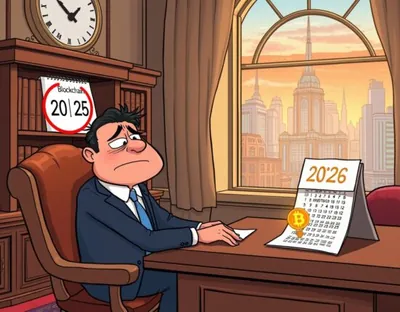
The U.S. Securities and Exchange Commission has postponed proposed cryptocurrency innovation exemptions, a move that creates near-term regulatory uncertainty for firms working with tokenized securities and decentralized finance. SEC Chair Paul Atkins confirmed the delay during a joint regulatory summit, and the agency says it needs more time for careful review. The pause, which extends through spring 2025, leaves questions about whether enforcement suspensions for some crypto activities will be granted.
SEC Crypto Exemptions Delayed Through Spring 2025
The exemptions under review would have temporarily limited enforcement actions for specified crypto activities, but the SEC has extended its review timeline beyond the original target. Officials have signaled they will not finalize interim measures until they complete a more thorough examination and consider feedback from market participants. As a result, companies that expected immediate clarity must continue planning under ongoing regulatory uncertainty.
Congressional Legislation Progress Affects Regulatory Timeline
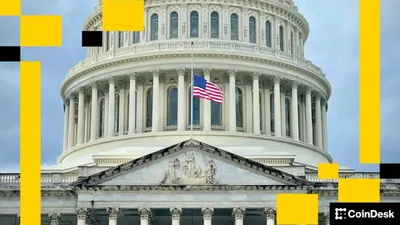
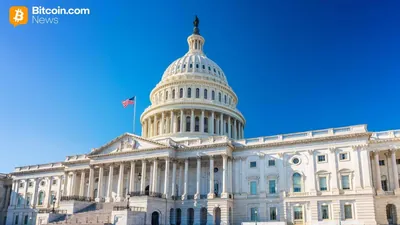
Congressional action factors into the SEC’s decision to delay; the Senate’s virtual asset market structure bill remains in committee review and currently lacks a definitive voting schedule. The agency has indicated it is awaiting clearer legislative direction before committing to certain interim steps, and multiple congressional proposals are being considered in parallel. For background on proposed congressional efforts, see the CLARITY Act discussion referenced by stakeholders.
Industry Impact: Blockchain Firms Face Operational Uncertainty
Platforms focused on tokenized securities and many DeFi protocols face immediate operational questions because specific approvals and amnesty provisions remain unresolved. Major Wall Street institutions recently flagged concerns about tokenized securities amnesty, and that feedback contributed to the SEC’s cautious approach. Firms planning launches or integrations that rely on these exemptions will likely postpone those actions until regulators and legislators provide clearer guidance.
International Regulatory Approaches Differ Significantly
Regulatory responses to digital assets vary across jurisdictions, with some regions adopting comprehensive frameworks while the United States continues work through multiple agencies. Interagency coordination is ongoing, but procedural and jurisdictional questions complicate fast implementation of unified rules. Companies operating across borders must therefore track both domestic developments and international standards as the landscape evolves.
Market Response Shows Cautious Institutional Positioning
Market reaction to the SEC’s announcement has been measured, with institutional actors maintaining guarded positions while monitoring legislative and regulatory progress. Some financial institutions have delayed integration projects that depend on clearer regulatory treatment, and investors are watching for signals from Congress and the SEC before increasing exposure. The overall effect is a pause in certain innovation plans rather than an immediate market disruption.
Why this matters
If you run mining hardware—whether a single rig or several hundred—the SEC’s decision mainly affects firms building tokenized securities and DeFi services, not routine mining operations. At the same time, slower regulatory clarity can influence institutional demand, service rollout, and broader market activity, which indirectly affects liquidity and trading interest in crypto markets. For small operators, the practical impact is often limited in the short term, but larger ecosystem changes can reach miners through exchanges, custody services, and payment flows.
What to do?
- Monitor official SEC statements and congressional action regularly to catch changes that could affect exchanges, custody, or tokenization projects you interact with.
- Avoid launching products or services that rely on temporary exemptions until regulators confirm relief; keep documentation and compliance plans ready if rules change.
- Maintain operational resilience: ensure access to reliable pools, custody arrangements, and bookkeeping so you can adjust if institutional flows shift.
- Consult with your service providers (exchanges, custodians, legal advisors) about how the pause affects settlement, listing, or tokenized asset offerings.
- Read updates on related regulatory moves such as SEC regulatory changes and follow reporting on the Senate bill as committee reviews proceed.