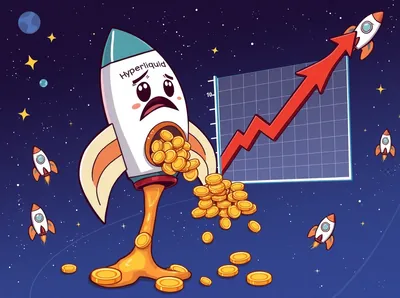
Polygon Labs has reportedly reduced its workforce by 30%, marking the second major staff reduction in recent years following a previous 20% cut. The company has not released an official public statement about this reduction, but reports link the move to a strategic refocus on its Open Money Stack initiative. Observers see the change as a consolidation of resources around stablecoin payments and core infrastructure rather than a simple cost-cutting measure. Below we unpack what was reported, why the shift matters, and practical steps miners in Russia should consider.
Overview of Polygon Labs Layoffs
According to initial reports, about 30% of Polygon Labs’ staff were affected by the latest round of cuts, which follow a 20% reduction implemented previously. Neither of these workforce reductions received a formal announcement from the company, creating a pattern of quiet internal restructuring. The reductions are presented in media coverage as part of a broader effort to realign the organisation around specific technical priorities.
Strategic Reasons Behind the Layoffs
The reported layoffs are framed as a reallocation of talent and budget toward the Open Money Stack project. Polygon has been integrating acquisitions that support this work, notably Coinme and Sequence, which bring fiat on-/off-ramp capabilities and wallet infrastructure respectively. For background on the Coinme deal and its role in Polygon’s ecosystem, see Coinme acquisition.
Understanding the Open Money Stack
The Open Money Stack is described as a modular framework designed to enable efficient cross-border payments with stablecoins. Its components include stablecoin rails, identity verification layers, and compliance tooling, and integrating Coinme and Sequence is intended to stitch these pieces together. For a deeper technical overview of the project itself, consult this explainer on the Open Money Stack.
Industry Context and Comparative Analysis
Industry coverage places Polygon’s restructuring in a wider trend of blockchain organisations shifting from broad expansion to tighter operational focus and product prioritisation. Workforce adjustments have become a common tool to concentrate resources on core technical roadmaps and monetisable infrastructure. Polygon’s consecutive reductions are notable for their scale and for occurring alongside targeted acquisitions that feed its payments strategy.
Operational and Ecosystem Implications
Immediate operational effects reported include possible impacts on developer relations, grant programs, and technical support as teams are consolidated. At the same time, a leaner organisation can shorten decision cycles and concentrate funding on protocol-level work such as the Open Money Stack modules. Competitors in the Ethereum scaling space remain active, which shapes the strategic imperative for Polygon to prioritise differentiating infrastructure rather than general expansion.
Why this matters (short take for miners in Russia)
If you run between one and a thousand devices in Russia, these changes are primarily relevant because they can affect how quickly Polygon addresses developer support and ecosystem services you rely on. Reduced staff in ecosystem or support teams could mean slower responses to integration issues, changes in grant availability, or longer timelines for new tools that make node operation or payments smoother.
At the same time, a concentrated push on stablecoin rails and wallet infrastructure could produce sturdier payment primitives and on-/off-ramps over time. For miners this is not an immediate operational threat, but it is a signal to watch integrations and support channels used by projects you depend on.
What to do? Practical steps for Russian miners
- Monitor official channels and major community forums for any announcements from Polygon or partner projects; do not rely on single reports as definitive.
- Check active integrations you use (pools, wallets, on-ramps) and ensure you have alternative access methods configured in case support slows down.
- Back up critical keys and configuration for your rigs and wallets; confirm recovery procedures so you are not dependent on vendor support.
- Review any grant or developer programs you rely on and note upcoming deadlines or changes; contact program contacts sooner rather than later.
- Keep an eye on tooling and RPC endpoints used by your software; have fallback endpoints and pools to avoid single points of failure.
In sum, the reported 30% reduction is a strategic move toward the Open Money Stack and related integrations. For miners in Russia the immediate effect is mostly indirect, via potential shifts in support and ecosystem services, but staying prepared and diversified will minimise disruption.