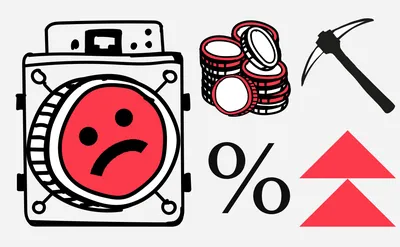
The Bitcoin mining industry is experiencing increased competition and declining profitability. MARA CEO Fred Thiel told CoinDesk that mining is a zero-sum game where new participants expanding capacity make conditions tougher for others. As a result, margins shrink, and electricity costs become the key factor determining the minimum profitability threshold.
Current State of the Bitcoin Mining Industry
According to Thiel, the mining industry is becoming more mature and competitive. Only companies with access to cheap energy or those adopting new business models survive. Many players are shifting to adjacent fields such as artificial intelligence and high-performance computing infrastructure. Additionally, equipment manufacturers have started launching their own farms as customer demand for devices declines. Meanwhile, the global hashrate continues to grow, leading to reduced profitability for most participants.
Miners' Survival Strategies and Industry Changes
Rising competition and falling returns force miners to seek new ways to maintain efficiency. Moving into related sectors and building their own farms allow some companies to stay afloat. However, for most miners, the situation is becoming more challenging, and only those who can optimize electricity costs or offer innovative business models will continue operating.
Future Outlook After the 2028 Halving
Fred Thiel warns that after the 2028 halving, the block reward will decrease to 1.5625 BTC, significantly complicating mining economics. Without increased transaction fees or a higher Bitcoin price, many miners will face business unviability. It was initially expected that fees would replace block rewards, but this has not happened, increasing pressure on market participants.
MARA's Strategy and Market Expectations
MARA's strategy is to keep production costs in the lower quartile, allowing the company to withstand competition. Thiel predicts that about 75% of competitors will shut down before MARA in the compressed market. The mining market will gradually self-regulate as participants reach profitability limits.
Industry Leaders' Perspectives
Riot Vice President Josh Kain noted that Bitcoin mining for the company is a means rather than an end, reflecting a broader trend toward new business models in the industry. According to Fred Thiel’s forecasts, by 2028 miners will need to either generate their own energy or partner with energy companies, as the days of miners simply connected to the grid are numbered.
Why This Matters
For miners in Russia, especially those operating from one to a thousand devices, understanding these changes is critical. Increasing competition and declining profitability mean that without optimizing electricity costs and adopting new business approaches, maintaining profitability will be difficult. The 2028 halving will significantly reduce block rewards, increasing pressure on mining economics.
Moreover, the need to generate energy independently or collaborate with energy providers requires revisiting current operational models. Miners unable to adapt to these changes risk losing competitiveness and exiting the market.
What Miners Should Do
- Assess current electricity costs and seek opportunities to reduce them, including switching to cheaper energy sources.
- Consider implementing new business models, such as integrating with computing infrastructure or developing adjacent sectors.
- Prepare for changes after the 2028 halving by planning for potential fee increases or Bitcoin price growth.
- Explore options for self-generating energy or partnering with energy companies to enhance business resilience.
- Monitor market trends and be ready for possible shutdowns of less efficient competitors to maintain position.