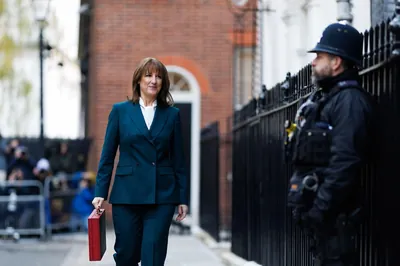
Seven Labour Party committee chairs have written to the UK government urging a ban on cryptocurrency political donations in the forthcoming election bill. The appeal, reported by The Block on March 15, 2025, followed Reform UK’s announcement that it would begin accepting Bitcoin and other cryptocurrencies in May 2025. Labour lawmakers say the move raises serious concerns about transparency and the potential for foreign interference in UK elections.
Labour Party's Call to Ban Crypto Donations
The letter came from chairs of multiple select committees, including those covering Treasury, Home Affairs and Foreign Affairs, which Labour says gives their warning particular weight. They argue that crypto donations could create new routes for foreign actors to influence UK politics and that current verification systems are not designed for digital-asset flows. The Block’s report on March 15, 2025, set out the timing of this intervention amid an ongoing parliamentary debate.
Reform UK's Crypto Donation Policy
Nigel Farage’s Reform UK announced in February 2025 that it would accept Bitcoin, Ethereum and other cryptocurrencies, and the party said donors could give in crypto beginning in May 2025. Reform UK frames the policy as financial innovation and says it will use blockchain analysis tools to preserve transparency while opening its fundraising to crypto supporters. Labour’s call for a ban is a direct response to this policy shift and its possible consequences for election finance rules.
Technical Challenges in Tracking Crypto Donations
Blockchain transactions are publicly recorded, which allows tracing in many cases, but attribution is not automatic because wallet addresses do not identify real-world owners. Dr Eleanor Vance of the London School of Economics highlights this point: "Blockchain analysis can trace many cryptocurrency transactions, however, determined actors can use privacy coins, mixers, or overseas exchanges to obscure donation trails." That mix of traceability and obfuscation is central to the committees' concerns.
Rules and Oversight
The UK’s political donation framework operates under the Political Parties, Elections and Referendums Act 2000, which sets the baseline for donor verification and reporting. The Electoral Commission currently requires that donations over £500 come from permissible donors with verifiable UK connections, a rule Labour says could be complicated by crypto flows. Observers have also noted that existing reporting systems and some official bodies do not have specialised blockchain-analysis capacity.
Expert analysis and next steps
Labour’s intervention frames the 2025 election bill as the primary opportunity for government action on crypto donations. Parliamentary committees are likely to examine evidence from technical, financial and security experts as the bill is drafted. For background on wider concerns about outside influence, see the recent foreign interference probe, and for regulatory developments note ongoing consultations such as the FCA consultation on crypto rules.
Why this matters (for a miner in Russia)
If you run one to a thousand mining devices in Russia, the immediate practical impact of this UK debate may be limited to politics and fundraising in Britain. However, proposed bans or new rules could influence how platforms and exchanges treat political donations and how international services verify donors, which in turn can affect cross-border crypto flows. It is useful to watch these developments because regulatory changes in major jurisdictions often change the behaviour of exchanges and payment processors you might use.
What to do (for a miner in Russia)
- Stay informed: follow reliable news about UK and global crypto regulation so you can spot changes affecting exchanges and payment services you use.
- Keep records: maintain clear records of your wallet activity and any transfers, which helps if a service requests verification or if rules change.
- Avoid political donations complications: if you are considering donating to foreign political causes, be aware that recipient countries may introduce stricter rules or block certain payment methods.
- Choose trusted services: prefer exchanges and processors with robust compliance and clear policies on political donations and KYC.
Bottom line
Seven Labour committee chairs have called for a ban on crypto political donations, citing transparency and foreign interference risks after Reform UK’s decision to accept crypto. The debate will feed into the 2025 election bill and is likely to prompt evidence sessions and possible regulatory responses. For miners and crypto users, the practical step is to monitor how exchanges and platforms adapt to any new rules.