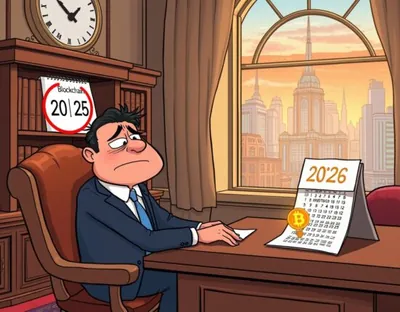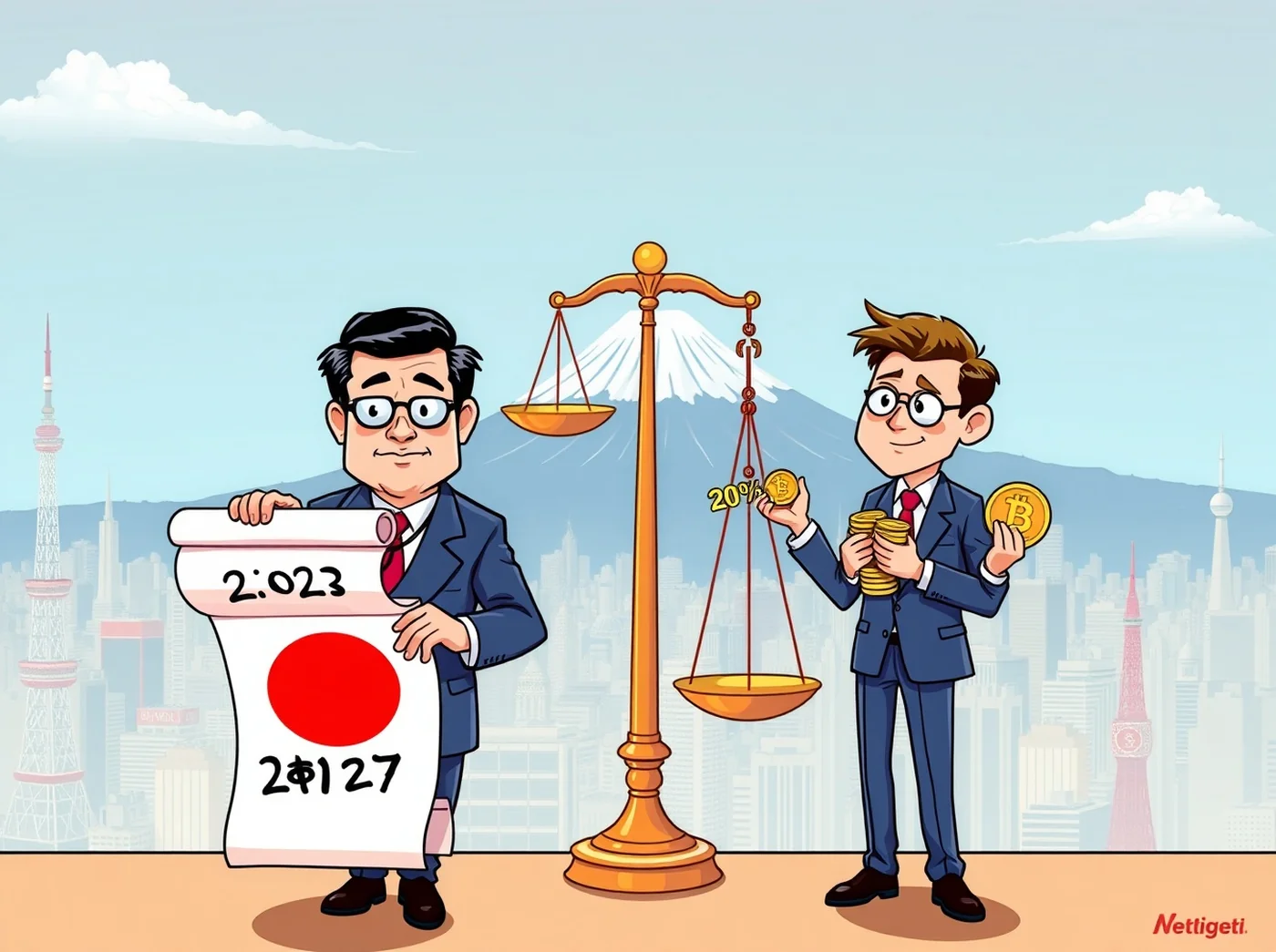
Japan has announced a significant postponement in the implementation of its cryptocurrency tax, extending the timeline to 2028. This decision reflects the government's intent to carefully address investor protection and regulatory complexities before enforcing the tax. The delay marks a notable shift from earlier plans, providing additional time to refine the tax framework.
Overview of Japan's Crypto Tax Implementation Delay
Currently, Japan has not enforced a comprehensive crypto tax regime, and the recent official announcement confirms that the implementation will be deferred until 2028. This extension allows authorities to reassess and improve the regulatory environment surrounding cryptocurrency taxation, aiming for a more robust and investor-friendly system.
Reasons Behind the Delay
The primary reasons for postponing the crypto tax include concerns about protecting investors from potential adverse effects and addressing ongoing regulatory challenges. Market conditions have also influenced this decision, as the government seeks to ensure that the tax policy aligns with the evolving crypto landscape and does not hinder market growth or innovation.
Impact on Crypto Investors
For crypto investors in Japan, the delay offers certain advantages, such as extended periods without new tax obligations and more time to prepare for future changes. However, it also introduces uncertainties regarding the eventual tax structure and compliance requirements. Compared to other countries that have already implemented crypto taxes, Japan's approach reflects a cautious stance prioritizing investor interests.
Future Outlook and Preparations
Looking ahead, Japan is expected to introduce updated tax regulations by 2028 that address current concerns and streamline compliance. Investors are advised to stay informed about regulatory developments and plan accordingly to adapt to the forthcoming tax environment. The government is also committed to facilitating a smooth transition to the new tax system, aiming to balance effective taxation with market stability.
Why This Matters
This delay is important for miners and crypto holders in Japan, as it temporarily relieves them from immediate tax burdens, allowing more time to understand and prepare for future obligations. It also signals the government's cautious approach to regulating a rapidly changing market, prioritizing investor protection over quick enforcement.
What Should Miners Do?
- Stay updated on official announcements regarding crypto tax regulations.
- Maintain detailed records of all crypto transactions for future tax reporting.
- Consult with tax professionals to understand potential impacts and prepare accordingly.
- Monitor market and regulatory trends to anticipate changes by 2028.