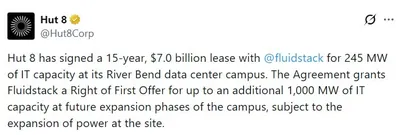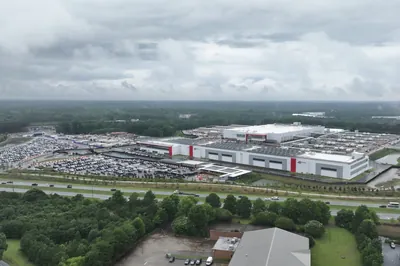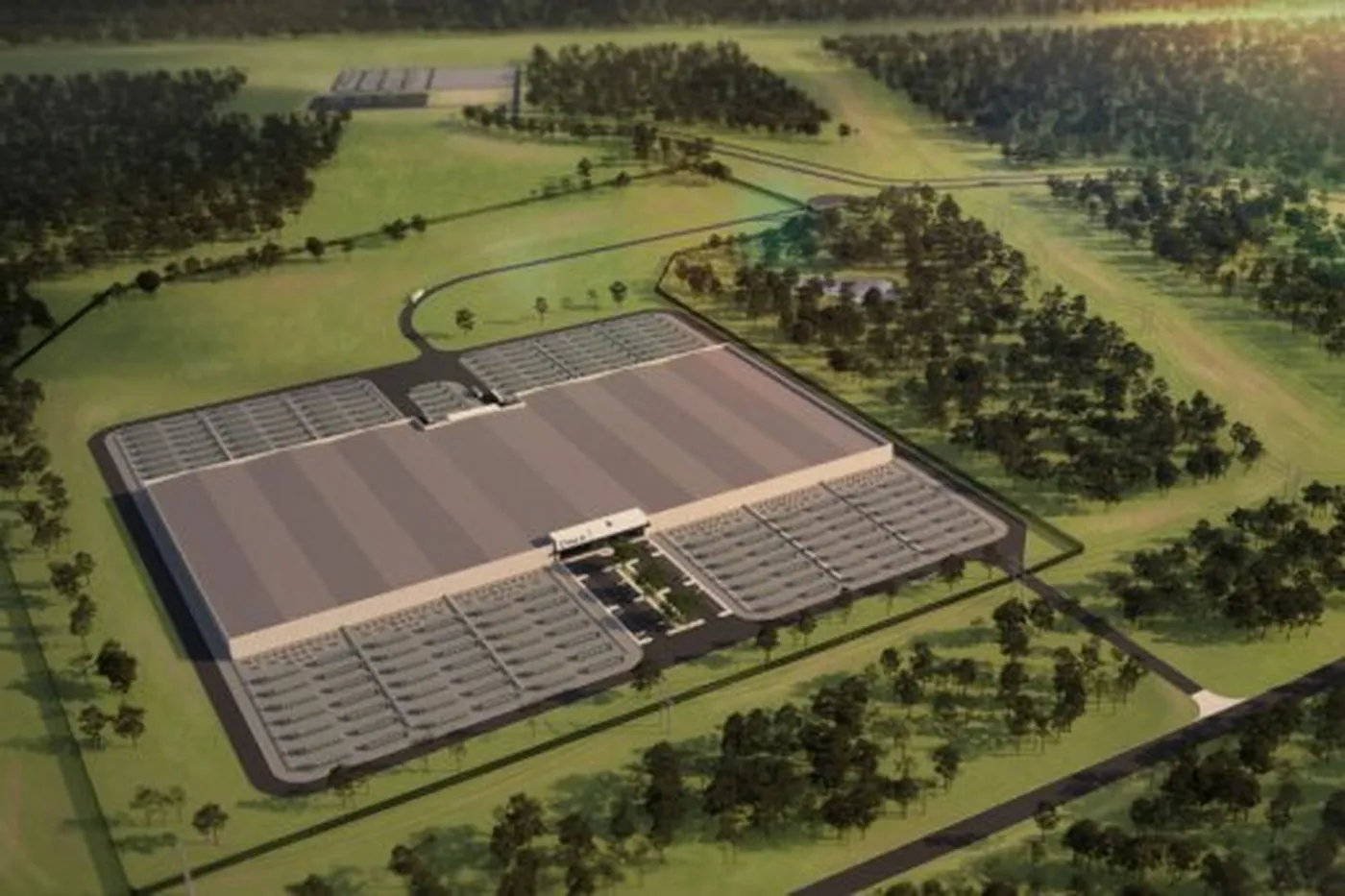
Hut 8 shares jumped approximately 20% after announcing a new agreement: the company signed a 15-year lease with AI cloud provider Fluidstack valued at $7 billion. The data center will be located in Louisiana on the River Bend campus, with 245 MW of IT capacity contracted under the agreement. The lease is structured as a triple-net lease with a 3% annual increase in base rent during the initial term. Fluidstack also holds the right of first offer for an additional 1,000 MW upon campus expansion, subject to available power supply.
Deal Summary
Hut 8 and Fluidstack entered into a long-term 15-year lease valued at $7 billion, marking a significant financial event reflected in Hut 8’s stock price. The company estimates the deal will generate an average annual net operating income (NOI) of about $454 million over the lease term, totaling approximately $6.9 billion. The agreement includes mechanisms to cover operating expenses and features a 3% annual base rent escalation.
Technical Capacity and Expansion Terms
The lease contracts 245 MW of IT capacity on the River Bend campus located in West Feliciana Parish. The agreement grants Fluidstack a right of first offer for an additional 1,000 MW upon campus expansion, contingent on available electricity. Hut 8 also confirmed securing an initial 330 MW of capacity for River Bend through Entergy Louisiana, establishing the project’s baseline power availability.
Financial Terms and Guarantees
The triple-net lease requires the tenant to cover operating expenses, taxes, and insurance, with base rent increasing by 3% annually over the initial term. Hut 8 states the average annual NOI from the deal will be around $454 million, totaling roughly $6.9 billion over 15 years. Fluidstack’s lease obligations and related expenses are guaranteed by Google. At the site level, up to 85% of project costs are expected to be financed through loans from J.P. Morgan and Goldman Sachs, pending final agreements.
Construction Timeline and Operational Launch
The first data hall is scheduled to be ready by the second quarter of 2027, with additional halls coming online later that year. At peak construction, Hut 8 anticipates employing about 1,000 workers. Once completed, the campus is expected to provide at least 75 direct jobs and approximately 190 indirect and induced jobs in the county. These figures were provided by the company in a press release as part of the project’s socio-economic impact description.
Project Partners and Infrastructure
Jacobs is responsible for project design, procurement, and construction management, while Vertiv is the critical infrastructure supplier. Hut 8 is also collaborating with Entergy Louisiana to secure the initial 330 MW capacity at the River Bend site. These partners are listed as key contractors and suppliers for the project’s execution.
Context and Market Significance
This deal fits within a broader trend: Fluidstack is actively developing its AI data center platform and reportedly negotiating major investment rounds. Negotiations for $700 million have been mentioned in media as part of the growing interest in companies within this segment. Additionally, Fluidstack has previously signed colocation and infrastructure agreements with public miners, including Cipher Mining, reflecting a trend of mining companies diversifying their operations.
Why It Matters
If you operate a farm with 1–1000 devices in Russia, the direct operational impact of this deal will be minimal since it concerns a large campus in the U.S. However, the agreement demonstrates that mining companies and infrastructure operators are increasingly shifting capacity and capital toward AI and high-performance computing projects. This expands the leasing and colocation market and could create additional collaboration or capacity rental opportunities with major operators in the future.
What To Do?
For miners in Russia, it’s useful to monitor a few practical aspects: first, track news about available capacity and colocation services—this will be helpful if you plan to scale or diversify. Second, review partners’ guarantees and payment terms when signing contracts: guarantees and financing conditions are crucial in large deals. Finally, maintain operational flexibility—consider leasing capacity from different providers and document risks related to power supply and financing.