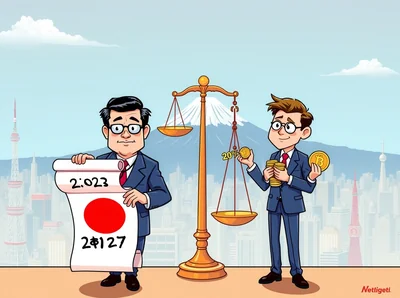
The Hong Kong Securities and Futures Professionals Association (HKSFPA) has formally challenged the OECD’s proposed Crypto-Asset Reporting Framework (CARF), calling for substantial modifications to reduce operational strain on market participants. The association recognises CARF’s role in improving global tax transparency but argues the current draft imposes disproportionate burdens on financial institutions and other service providers. This intervention comes as jurisdictions prepare for phased CARF implementation and broader international coordination on crypto reporting.
Introduction to OECD Crypto Reporting Framework
CARF is an OECD initiative that sets standardized reporting requirements for cryptocurrency exchanges and certain financial institutions. Under the framework, covered entities must collect taxpayer-related information on crypto transactions and participate in an automatic annual exchange of that data with relevant jurisdictions. The framework extends reporting to a range of crypto activities, targeting both centralized platforms and specified decentralised services.
HKSFPA's Concerns and Recommendations
The HKSFPA’s position paper accepts CARF’s objective of enhancing tax transparency but highlights several areas of concern the association wants amended. It argues that expanded due diligence, enhanced transaction monitoring and complex cross-border reporting will create disproportionate operational burdens, particularly for smaller firms and certain types of service providers. The association also emphasises potential legal liability related to inaccurate reporting and asks for clearer rules to limit undue enforcement risk.
Hong Kong's Position in Global Crypto Regulation
Hong Kong has positioned itself as a leading cryptocurrency hub in Asia and has implemented progressive regulatory frameworks since 2023, attracting exchanges and blockchain companies to the city. That regulatory stance differs from mainland China’s prohibition, creating a distinct jurisdictional dynamic where firms must reconcile local licences and requirements with incoming international standards. The HKSFPA argues CARF could complicate that balance and has urged adjustments to better align international reporting with Hong Kong’s market conditions; for context, Hong Kong authorities have recently proposed related measures such as new capital rules and licensing reforms that affect the same ecosystem.
Comparative Analysis: CARF vs. Existing Reporting Standards
CARF expands the scope of international reporting compared with older standards by explicitly targeting crypto transactions, including crypto-to-crypto transfers and a wider range of service providers. Whereas prior frameworks focused on traditional financial accounts, CARF obliges covered entities to record and report detailed transaction information for automatic exchange. The HKSFPA’s critique points to the breadth of these new requirements and the operational gap between current systems and CARF’s reporting expectations.
Operational Challenges for Financial Institutions
According to the HKSFPA, institutions face several concrete implementation challenges under CARF that will require material investment and technical changes. These include system upgrades or acquisitions for tracking diverse crypto activity, expanded compliance teams for enhanced due diligence, and new processes to manage cross-border reporting liabilities. The association quantifies potential implementation expenses in a wide range — from $500,000 to $5 million — depending on an institution’s size and existing infrastructure.
Global Implementation Timeline and Jurisdictional Variations
The OECD has proposed a phased implementation approach for CARF, with early adopter jurisdictions beginning enforcement in 2026, but national timetables vary widely. This staggered adoption means multinational firms may face inconsistent obligations across markets, increasing compliance complexity. Hong Kong’s regulators and professional bodies are negotiating how to reconcile local rules with the OECD timeline; readers can find more on Hong Kong’s evolving licensing approach in the discussion of licensing in Hong Kong and broader industry changes in regulatory changes 2026.
Potential Impacts on Cryptocurrency Market Structure
The HKSFPA warns that stringent reporting requirements could favour larger institutions that can absorb compliance costs, potentially accelerating industry consolidation. Smaller exchanges or service providers with limited compliance budgets may face barriers to participation, while established firms with robust systems could gain competitive advantage. At the same time, CARF is designed to increase transparency in regulated segments, which may change market dynamics as institutional involvement evolves.
Why this matters
For individual miners and small operators, the direct legal obligations under CARF typically fall on service providers and exchanges rather than end users, but changes in reporting and exchange practices can affect daily operations. Enhanced reporting may lead some platforms to change onboarding rules, tighten KYC checks or alter fee and service models, which in turn affects where and how you trade or cash out mined coins. Understanding CARF’s likely effects on the platforms you use will help you anticipate administrative changes and potential service limitations.
What to do?
If you operate between one and a thousand devices in Russia, focus on practical steps that reduce disruption and keep your operations compliant with the evolving landscape. First, keep clear records of your mining activity and the counterparties you use for transfers and sales, since platforms will increasingly request verifiable information. Second, choose exchanges and custodial services with transparent compliance policies and robust reporting infrastructure to avoid sudden service changes or account restrictions. Third, monitor announcements from the platforms you use and from Hong Kong and international regulators so you can respond if onboarding or reporting requirements change.
Practical checklist:
- Keep transaction and withdrawal records in a single, backed-up location.
- Prefer platforms that publish clear reporting and KYC policies.
- Be ready to provide identification and documentation if a platform updates its compliance procedures.
The HKSFPA’s challenge to CARF highlights the tension between global tax transparency and operational feasibility. Market participants should track developments, assess the policies of the services they use, and prepare for gradual changes as jurisdictions move toward CARF implementation.