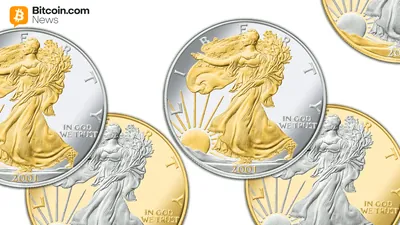
On March 25, 2025, the London Bullion Market Association (LBMA) fixing confirmed the spot gold price at $4,900.74 per ounce, establishing a new nominal record. That session marked a 1.4% gain from the previous trading day and closed out a rally that has added about $600 to the metal’s price since the start of the year. Year-to-date performance exceeds 13%, underscoring a notable revaluation of hard assets in recent months.
Gold Price Reaches New All-Time High
The LBMA confirmation at $4,900.74 represents a milestone built on a rapid price advance earlier in the quarter. Market participants noted the speed and breadth of the move, which has drawn attention from both institutional and retail investors. For historical context, readers can compare this development with an earlier gold record and previous milestones.
Factors Driving the Gold Price Rally
Several macro factors have supported the recent ascent in gold. A notable element is the collective pivot by major central banks toward rate cuts, which lowers the opportunity cost of holding a non-yielding asset like gold. At the same time, persistent geopolitical tensions and trade uncertainty continue to underpin safe-haven demand, while steady purchases by central banks—particularly in emerging markets—help absorb supply and stabilize prices.
Market Structure and Flows
The current rally reflects a mix of Western and Eastern demand drivers. Western investment flows via ETFs and futures have been returning after prior outflows, and managed money accounts on futures exchanges have shown increased net-long positioning. Meanwhile, physical buying in Asia and central-bank accumulation have kept premiums elevated and provided a robust base of demand; for more on what propelled the move earlier in 2025, see reasons for 2025 rally.
Comparative Performance and Market Impact
Gold’s year-to-date gain of over 13% places it ahead of many major equity indices for the same period, altering relative returns across asset classes. That outperformance has spilled over into related areas: mining equities and other precious metals have experienced sympathetic moves, though their magnitudes differ. The price milestone is therefore influencing portfolio allocation discussions among investors and institutions.
Technological and Financial Innovation
Financial innovation has broadened access to gold exposure in this cycle. Digital gold products and tokenized ownership solutions have lowered entry barriers, and platforms offering fractional shares of physical metal have seen increased interest from younger investors. These channels complement traditional bullion and ETF routes and contribute to demand diversity.
Why this matters (for a miner in Russia with 1–1,000 devices)
For a small to mid-size crypto miner in Russia, the gold rally does not directly change mining mechanics, but it matters for cash management and portfolio choices. A higher gold price reflects broader shifts in monetary policy and investor risk appetite—conditions that can affect currency moves and local liquidity, which in turn influence when miners sell fiat revenue and how they preserve working capital.
Additionally, stronger demand for hard assets and robust physical buying in the East mean that some local buyers and investors may prefer allocating to bullion or gold-linked products. That can alter local markets for converting mined cryptocurrency into cash or alternative stores of value, so miners should consider the broader asset allocation landscape when planning sales or reserves.
What to do?
- Review your cash-flow timing: map expected revenue and short-term expenses so you avoid selling at unfavorable moments driven by headline volatility.
- Maintain a liquidity buffer: keep reserves to cover operational costs (electricity, maintenance) for several weeks to reduce forced sales during market swings.
- Consider simple diversification: if you routinely convert mining proceeds to fiat, evaluate allocating a portion to hard assets or stable holdings rather than keeping all proceeds in cash.
- Track policy headlines: central bank rate decisions and statements can change opportunity costs for gold and risk assets; follow official communications without overreacting to single reports.
- Use reputable counterparties: when buying or selling bullion or digital gold products, prefer established dealers and regulated platforms to reduce counterparty risk.
FAQ
Q: What is the current spot gold price and how does it compare to historical levels?
A: The LBMA fixing recorded spot gold at $4,900.74 per ounce on March 25, 2025, marking a new nominal high. This level follows a rapid rally earlier in the year that added roughly $600 to the metal’s price since January, and it places gold well above recent year-to-date averages.
Q: What are the main reasons gold is hitting record highs?
A: Key drivers cited by market reports include a move by major central banks toward rate cuts, persistent geopolitical uncertainty that supports safe-haven demand, continued official buying by some central banks, and supportive market flows in both ETF/futures and physical channels.
Q: Are other precious metals following gold’s performance?
A: Silver and platinum have generally shown correlated rallies alongside gold, though their price moves often display higher volatility and have not matched gold’s percentage increase in this cycle.
Q: What does a high gold price mean for consumers and investors?
A: For investors, a rising gold price represents portfolio gains and greater appeal for hard-asset allocations. For consumers, it typically means higher costs for jewelry and physical bullion; for miners and producers, it generally improves project and cash-flow economics.