Venezuelan authorities arrested Rosa María González on April 10, 2025, in connection with the large Generación Zoe cryptocurrency fraud that hit Argentine investors. Reports say González was detained while in possession of Bitcoin assets valued at approximately $56 million, a development prosecutors describe as a major step in the ongoing investigation. The case centres on an operation that authorities allege promised unrealistic returns and ultimately left many people with heavy losses. This article summarises what is known about the scheme, the arrest and what it means for miners and investors.
The Generación Zoe Scam: A $120M Ponzi Scheme
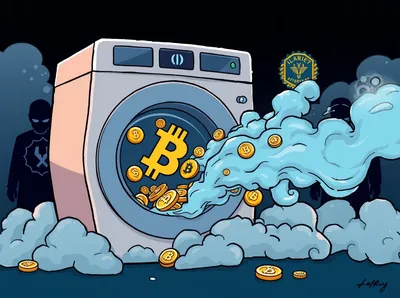
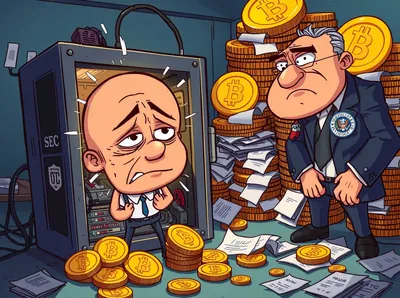
Generación Zoe is presented in public reports as an alleged Ponzi scheme that targeted tens of thousands of people in Argentina. Authorities say the operation guaranteed monthly returns of up to 7.5%, a promise that investigators describe as unsustainable and central to how the scheme attracted funds. When incoming investments could no longer cover payouts to earlier participants, the scheme reportedly collapsed, producing widespread losses. Official estimates put total investor losses at more than $120 million.
- Promised 7.5% monthly returns through purported crypto and Forex trading.
- Collapsed after unsustainable returns failed to materialize.
- Targeted tens of thousands of Argentine investors.
- Estimated losses exceeded $120 million.
Key Arrest and Bitcoin Seizure
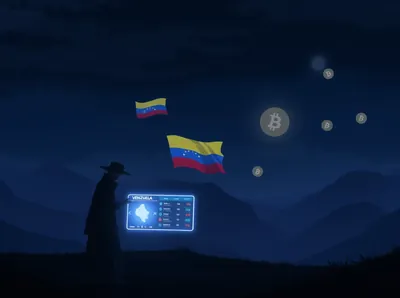
The arrest of Rosa María González took place in Venezuela and is described as the result of an international pursuit by authorities. Reports state that officers seized Bitcoin assets valued at about $56 million from her at the time of capture, which prosecutors consider important evidence in potential restitution efforts. The capture underscores cross-border dimensions of crypto fraud investigations, and investigators are using blockchain traces to follow funds across jurisdictions; for regional context, see a related Venezuela crypto analysis.
- Rosa María González captured in Venezuela with $56M in Bitcoin.
- Arrest occurred during an international manhunt involving multiple jurisdictions.
- Blockchain traceability has aided the investigation, according to reports.
- Seized Bitcoin may serve as evidence for future restitution proceedings.
Scam Mechanics and Investor Lure
Public accounts of the case describe a combination of classic Ponzi dynamics and multi-level marketing tactics that amplified recruitment. The operation reportedly presented itself as a cutting-edge fintech community, using social proof and lifestyle marketing to gain credibility and attract new participants. By paying earlier investors with funds from new recruits, the scheme initially appeared to deliver promised returns until inflows slowed and payouts could no longer be sustained. Investigators emphasise how the marketing structure accelerated growth and, ultimately, the collapse.
- Combined Ponzi mechanics with a multi-level marketing recruitment model.
- Promoted as a fintech and lifestyle community to build trust.
- Relied on social proof, events and recruitment incentives.
- Collapsed when new funds could not cover promised payouts.
Regulatory and Global Implications
The Generación Zoe case has prompted discussion about investor protection and regulatory clarity for crypto-related offerings in Argentina and beyond. Public reporting links the scandal to calls for stronger oversight, custody rules and transparency requirements for platforms offering crypto financial products. The case also highlights practical challenges in converting seized digital assets into funds that can be distributed to victims, a process that often involves lengthy legal and logistical steps. For broader regional issues that affect operations like mining and exchanges, see coverage of mining in Latin America.
- Catalyzed discussion about clearer crypto regulation and investor protections.
- Highlights cross-border enforcement and asset recovery challenges.
- May set precedents for seizure and liquidation of crypto assets linked to fraud.
- Contributes to erosion of trust in informal investment platforms.
Почему это важно
Если вы майните в России с 1–1000 устройствами, это событие важно прежде всего как сигнал о международной ответственности за криптоактивы и усилении контроля со стороны властей. Захваченные биткоины и последующие обсуждения регуляций показывают, что даже анонимные на первый взгляд активы могут стать объектом расследования и изъятия. При этом для российских майнеров это не означает немедленных ограничений, но стоит учитывать возможное ужесточение правил и усиление процедур по проверке происхождения средств.
Что делать?
Если вы майните в РФ и хотите минимизировать риски, следуйте простым и практичным рекомендациям. Они помогут сохранить легальность операций и снизить вероятность проблем при взаимодействии с сервисами и регуляторами.
- Документируйте происхождение средств: сохраняйте логи, счета и подтверждения расходов на оборудование и электроэнергию.
- Используйте проверенные биржи и платформы с прозрачной политикой KYC/AML и прислушивайтесь к их требованиям.
- Не участвуйте в схемах с обещаниями гарантированных высоких доходов; если кто-то обещает стабильные 7.5% в месяц — это повод для подозрений.
- Разделяйте активы: держите часть монет на личных кошельках с контролем приватных ключей и минимизируйте хранение больших сумм на одном счёте.
- Будьте готовы к юридическим процедурам: при крупных перемещениях средств имейте контакты юриста, знакомого с криптоюриспруденцией.
Арест и изъятие $56 млн в биткоинах по делу Generación Zoe — важный кейс для всей отрасли: он демонстрирует, что масштабные мошенничества привлекают международное внимание, и что прослеживаемость блокчейна часто используется правоохранителями при расследованиях. Для практических шагов по снижению рисков ориентируйтесь на перечисленные рекомендации.