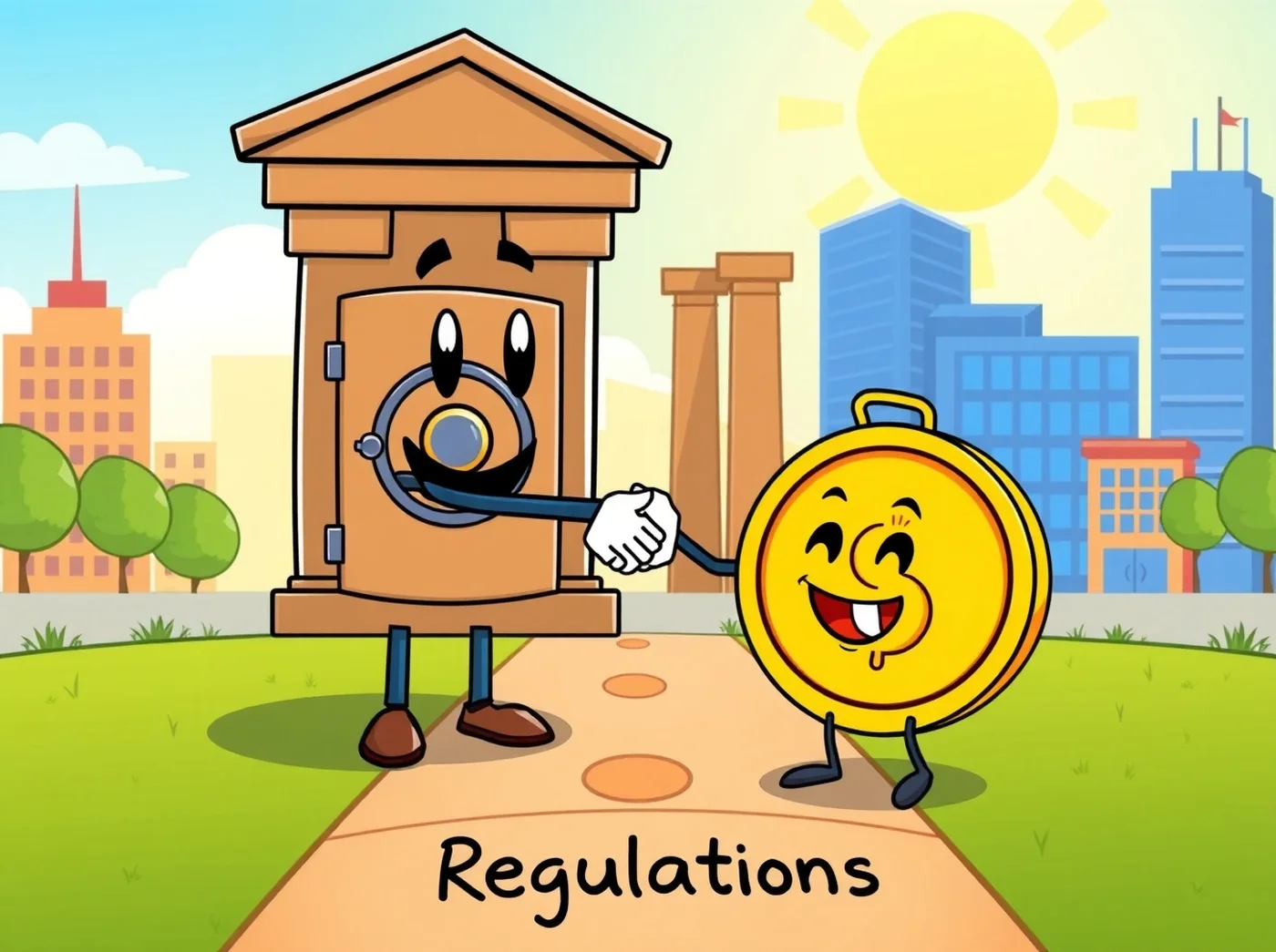
The Federal Deposit Insurance Corporation (FDIC) has put forward a groundbreaking proposal to regulate stablecoins through the newly introduced GENIUS Act. This initiative marks the first time stablecoins will be governed under a formal regulatory framework in the United States, reflecting growing attention to the evolving cryptocurrency landscape.
Stablecoins have become a significant component of the digital asset market, prompting regulators to establish clear guidelines. The GENIUS Act serves as a key legislative effort to address this need by defining the roles and responsibilities of stablecoin issuers and setting standards to protect consumers.
Introduction to FDIC's Proposal on Stablecoin Regulations
The FDIC's initiative aims to bring clarity and oversight to the stablecoin sector, which until now has largely operated without specific federal regulations. By introducing the GENIUS Act, the FDIC seeks to create a structured environment that balances innovation with risk management. This proposal is significant as it represents a shift towards formal recognition and regulation of stablecoins within the US financial system.
Key Provisions of the GENIUS Act Related to Stablecoins
The GENIUS Act establishes the first-ever regulatory framework tailored specifically for stablecoins. It sets forth requirements that stablecoin issuers must meet, including operational standards and transparency obligations. Additionally, the Act incorporates consumer protection measures designed to safeguard users and enhance trust in stablecoin transactions.
Potential Impact on the Stablecoin Market
With the introduction of these regulations, stablecoin issuers and users can expect changes that may influence market dynamics. The framework aims to promote market stability and bolster investor confidence by reducing uncertainty and potential risks associated with stablecoins. While challenges may arise during the transition to regulated operations, the Act also presents opportunities for growth and increased legitimacy within the cryptocurrency ecosystem.
Next Steps and Implementation Timeline
The GENIUS Act will undergo the legislative process before becoming law, during which stakeholders can provide input and adjustments may be made. Once enacted, the FDIC will play a central role in enforcing the new regulations. The timeline for these rules to take effect will depend on the pace of legislative approval and subsequent implementation efforts.
Why This Matters
For miners and participants in the cryptocurrency market, the FDIC's proposal under the GENIUS Act signals a move towards greater regulatory clarity and consumer protection in the stablecoin space. Even if your mining operations do not directly involve stablecoins, the broader impact on market stability and investor confidence can influence the overall crypto environment in Russia and beyond.
What You Should Do
Stay informed about the progress of the GENIUS Act and the FDIC's regulatory activities. Understanding these developments will help you anticipate changes that could affect stablecoin usage and related financial services. Consider reviewing your exposure to stablecoins and consult with legal or financial advisors to ensure compliance once regulations come into force.