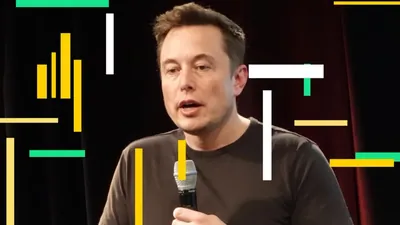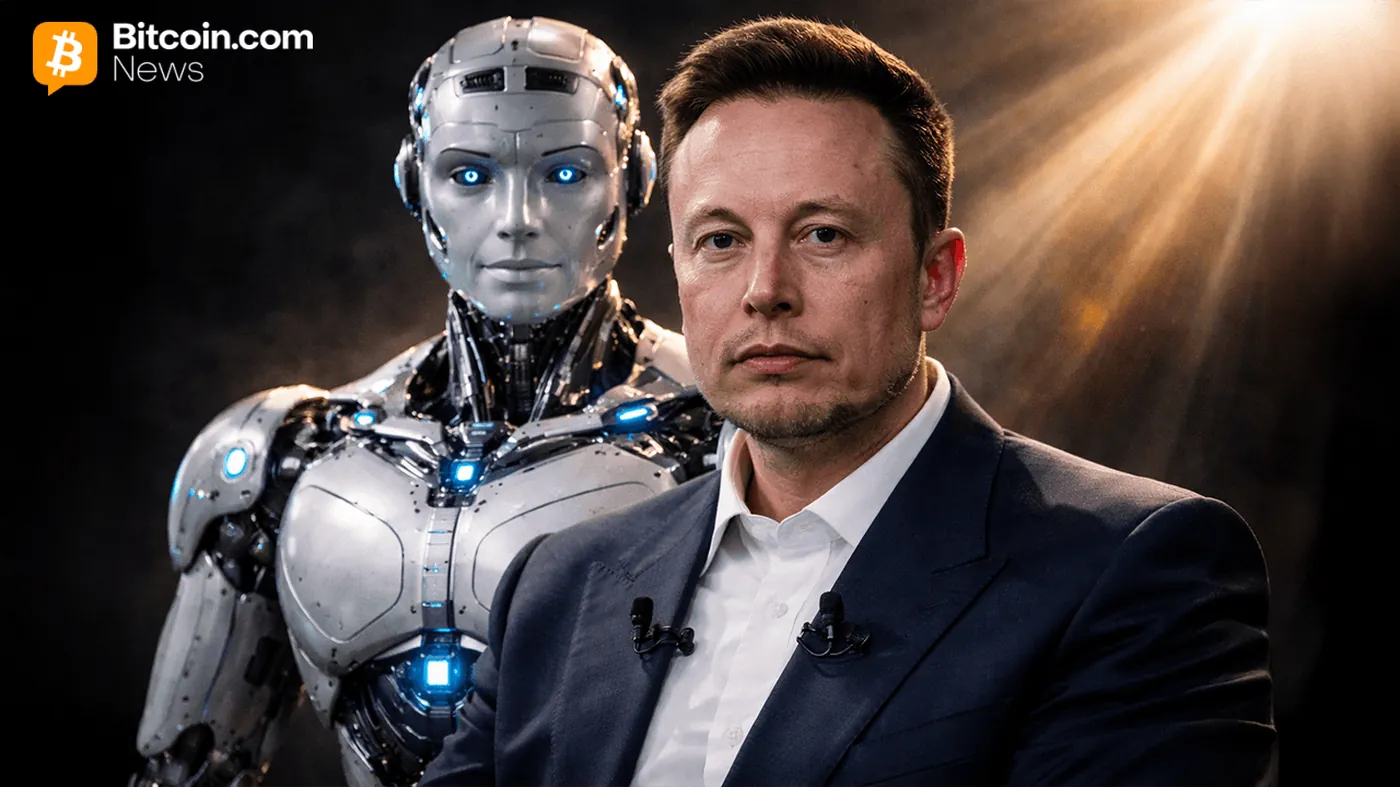
At the 2026 World Economic Forum in Davos, Elon Musk presented a unified vision that links AI, robotics, solar power and fully reusable rockets into a single engineering mission. He discussed that vision onstage with Larry Fink, the CEO of Blackrock, framing his companies as tools to extend human consciousness and produce material abundance at planetary and interplanetary scales.
Elon Musk’s Vision for the Future at Davos 2026
Musk described his portfolio—Tesla, SpaceX and related efforts—as parts of one overarching goal: increasing the chances that civilization not only survives but thrives. During the conversation with Larry Fink he emphasized both the technical progress already made and the larger question of protecting and expanding human consciousness.
AI and Robotics: The Path to Global Abundance
Musk argued that widespread AI paired with billions of humanoid robots is the only realistic route to ending scarcity, because automation can expand economic output beyond historical limits. He said Tesla’s Optimus robots are already handling simple factory tasks and should take on more complex industrial roles by the end of the year, with public sales possible as early as next year once safety and reliability thresholds are met.
Energy as the Bottleneck for AI Growth
According to Musk, the main constraint on AI deployment is electrical power rather than chip production. He contrasted slower power expansion in some regions with aggressive buildouts elsewhere and argued that solar power — including plans for solar-powered AI infrastructure in space — is central to scaling AI sustainably.
Musk explained that space-based solar arrays can operate continuously without weather interruptions and offer efficiency and cooling advantages for energy-intensive AI centers. He tied that idea to SpaceX’s push for full rocket reusability, saying true cost reductions in access to space depend on reusing both stages of rockets.
SpaceX and the Future of Space Exploration
Musk said Falcon 9 has demonstrated partial reuse, but that the real step-change will come when both stages of a rocket like Starship are reusable, which would vastly lower launch costs. He presented that capability as an essential enabler for large-scale space infrastructure, including the solar-powered AI facilities he outlined earlier.
AI’s Rapid Advancement and Societal Impact
Musk predicted that AI systems could surpass the intelligence of any individual human by the end of this year and could reach much greater collective capability in the years that follow. He acknowledged risks but argued for cautious optimism, noting that progress has historically driven many quality-of-life improvements.
Why this matters
For miners and small-scale operators, Musk’s emphasis on energy highlights a practical constraint: large-scale AI and robotics growth increases demand for electricity, which can influence grid load and policy choices. At the same time, proposals for space-based solar are long-term and do not change current local power conditions, but they signal where capital and engineering focus may move.
Regulatory and infrastructure shifts that prioritize large energy consumers or new data centers could affect electricity availability and pricing, so miners should pay attention to debates about power expansion and data-center siting. Conversations like the one at Davos also shape investor and policymaker priorities, which can indirectly influence national energy strategies and permitting.
What to do?
Practical steps for a miner in Russia with between 1 and 1,000 devices are straightforward: monitor your electricity costs and contracts, and plan for efficiency improvements where possible. Prioritize energy-efficient hardware, optimize cooling and scheduling, and keep records that make it easier to respond to tariff changes or new local restrictions.
If you run a larger operation or are considering expansion, evaluate backup plans for power disruptions and stay informed about proposals affecting data centers and large energy users. For further context on policy discussions affecting AI infrastructure, see reporting on a moratorium on AI centers, and for how Musk’s outlook connects to cryptocurrency trends read our piece on Musk's 2026 forecast.
Quick checklist
- Review and reduce electricity consumption where feasible.
- Upgrade to more efficient rigs or optimize current settings.
- Track local policy changes on data centers and large energy users.