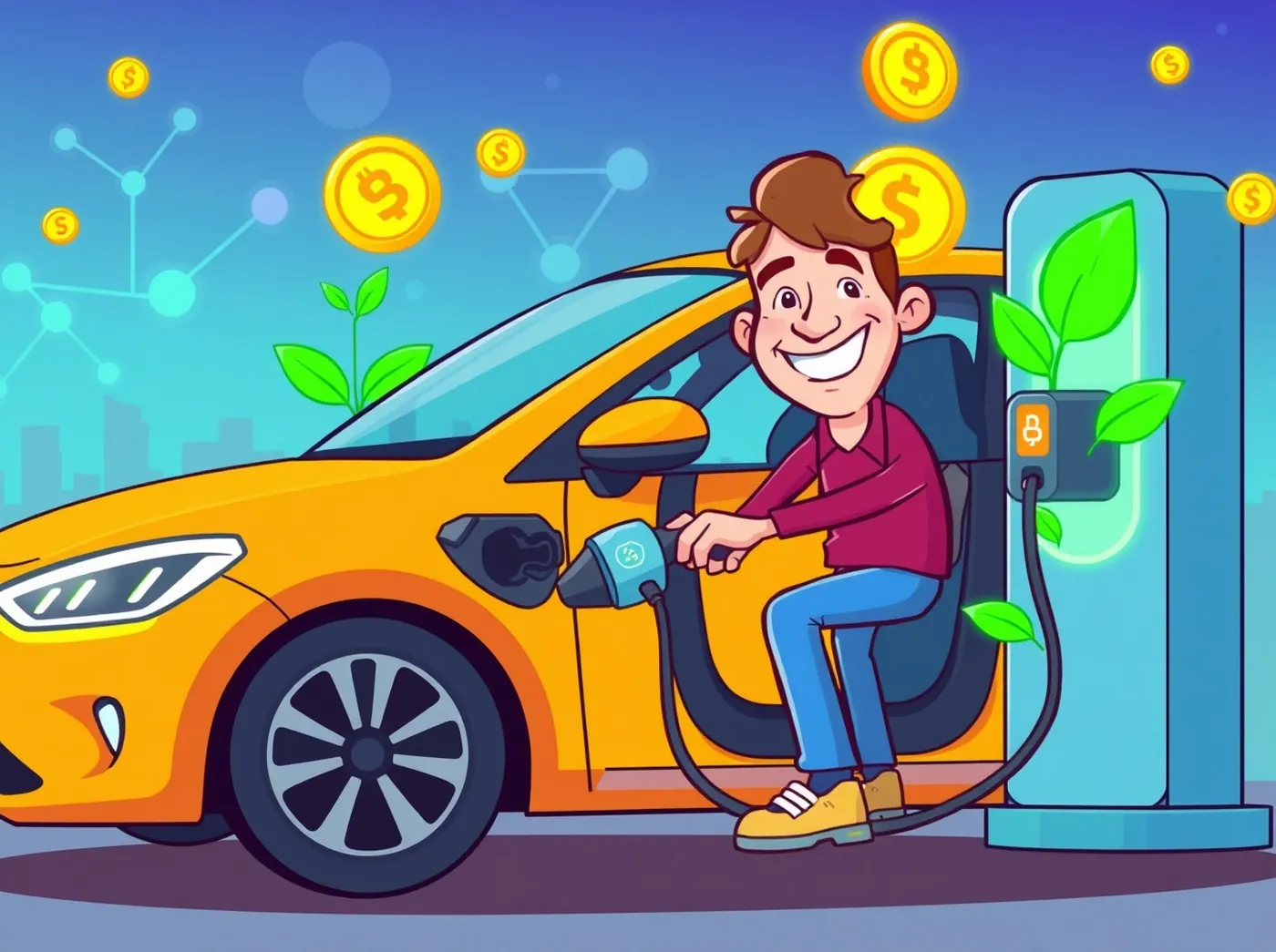
DLP Labs, a specialist in electric vehicle (EV) data, is launching a rewards system built on the Sui blockchain. The platform compensates drivers who contribute their vehicle data and is designed to make those rewards practical and easy to use. Under the hood, the project relies on Sui’s performance characteristics and decentralized data storage to keep transactions efficient and data secure. Below we break down how the system works, what it offers drivers, and why the technical choices matter.
Introduction to DLP Labs' EV Rewards System
DLP Labs focuses on collecting and managing EV-related data and is now rolling out a rewards program that turns that data into direct value for drivers. The core idea is simple: drivers share driving and charging information and receive compensation in return. The team frames this as a move from opaque data practices toward a fairer exchange where contributors see tangible benefits.
Role of Sui Blockchain in the Rewards System
The Sui blockchain serves as the secure, transparent backbone of the rewards ecosystem. DLP Labs will use the Walrus (WAL) protocol on Sui to manage vehicle data, providing decentralized storage that aims to keep driving and charging information private and tamper-proof. Because Sui supports high transaction throughput and low latency, the network can handle many small payouts without the delays common on congested chains.
Types of Rewards for EV Drivers
The program is built to deliver practical value rather than abstract points. Contributors receive direct compensation for sharing their EV data, and the system is structured so that those rewards have real-world utility. That utility is intended to lower friction for drivers and tie incentives to sustainable behavior.
- Use rewards to pay for charging at compatible stations.
- Convert rewards into other cryptocurrencies if desired.
- Potentially trade rewards for traditional currency on exchanges.
Advantages of Sui Blockchain for EV Data
Sui’s technical model supports the demands of a system that processes many small events and micro-transactions. High throughput and low latency help keep reward payouts fast and reduce the chance of network congestion slowing transfers. Additionally, Sui’s object-centric model and the Move programming language are suited to representing unique digital assets such as driver profiles or tokenized carbon credits with clear ownership rules.
For background on the Sui token and ecosystem you can read our Sui (SUI) overview, and for related market context see the piece on the SUI ETF filing.
Challenges and Future Prospects
Adoption outside early adopters depends largely on making the user experience seamless so drivers don’t need to understand blockchain details. Regulatory clarity around data ownership and tokenized rewards is still evolving, which can influence rollout strategies and partnerships. Still, proponents see this kind of model as a step toward enabling individuals to participate in decentralized energy systems rather than remaining only consumers.
Why this matters (short brief for miners in Russia)
If you run mining equipment in Russia—whether one device or a small farm—this announcement mainly affects you indirectly unless you also operate or own EVs. The technical choices (Walrus on Sui, fast payouts) show how blockchain projects can deliver frequent micro-payments without heavy on-chain delays, a pattern that matters when you handle many small transactions. At the same time, the emphasis on simple user interfaces suggests projects are trying to hide blockchain complexity from end users, which can reduce support overhead if you ever manage services that integrate such rewards.
What to do? (practical steps for miners with 1–1000 devices)
Keep an eye on integrations rather than on-chain mechanics: see if charging networks or fleet services you use adopt reward systems, because that’s where real value appears for non-EV businesses. If you or your team also drive EVs, consider whether participating in such programs is worthwhile compared to time and effort needed to link vehicles and apps. Finally, pay attention to data-privacy and access controls: if you share telemetry from your vehicles or equipment, prefer solutions that let you retain control over what is shared.
Conclusion: Sustainable Web3 Future
DLP Labs’ program on Sui aims to make vehicle data a source of direct rewards while relying on Walrus for decentralized storage and Sui for efficient transactions. By focusing on user experience and practical redemption options, the project positions itself as an example of blockchain used for everyday incentives. Whether it becomes widespread will depend on partnerships, UX, and regulatory developments, but the approach maps a clear route from vehicle telemetry to usable rewards.
Frequently Asked Questions
Do I need to own cryptocurrency or understand blockchain to participate? The intent is to hide blockchain complexity behind a simple app interface, so you may not need direct crypto knowledge to join. Rewards and transfers should be managed through an application rather than requiring manual blockchain interaction.
Is my driving data safe on the Sui blockchain? DLP Labs plans to use the Walrus (WAL) protocol for secure, decentralized storage of vehicle data. The architecture is described as protecting privacy and preventing tampering, and sensitive personal information is typically handled off-chain or in encrypted form with user-controlled access.
What can I do with the rewards I earn? Rewards are expected to be usable in practical ways: paying for charging, converting into other cryptocurrencies, or potentially exchanging for traditional currency on markets that support the assets.
When will this rewards system be available to all drivers? The announcement describes a launch phase; broader availability will depend on partnerships with charging networks, automakers, and regional rollouts. Follow DLP Labs and relevant network channels for updates.
How does this help the environment beyond driving an EV? The system aims to incentivize behaviors such as off-peak charging and grid support, which can help integrate renewable generation into the grid and reduce reliance on fossil-fuel power during peaks.