The cryptocurrency market experienced a significant correction as uncertainty surrounding the selection of the next Federal Reserve Chair unsettled traders. Bitcoin (BTC) retested the $85,000 level, while Ether (ETH) declined to $2,900. This downturn was accompanied by $527 million in liquidations within 24 hours, signaling heightened caution among market participants amid broader macroeconomic pressures.
Overview of the Cryptocurrency Market Correction
The recent sell-off saw Bitcoin revisiting the $85,000 mark, with Ether also facing notable declines. The liquidation of over half a billion dollars in leveraged positions within a single day underscores the increased risk aversion among traders. This correction reflects a shift away from riskier assets as investors respond to evolving economic conditions and market uncertainties.
Macroeconomic Factors Influencing the Market
Several US economic developments have influenced investor sentiment. The passage of the "One Big Beautiful Bill Act" raised the US debt ceiling by $5 trillion and extended tax credits, while the Federal Reserve announced an expansion of its balance sheet by $40 billion per month. Consumer sentiment also weakened, with 41% of Americans planning to reduce holiday spending and 61% citing affordability issues due to stagnant wages amid rising prices. These factors contribute to a cautious market environment.
Impact of Federal Reserve Chair Uncertainty
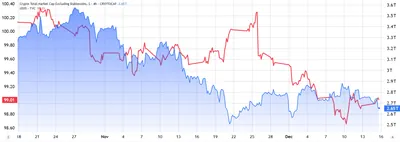
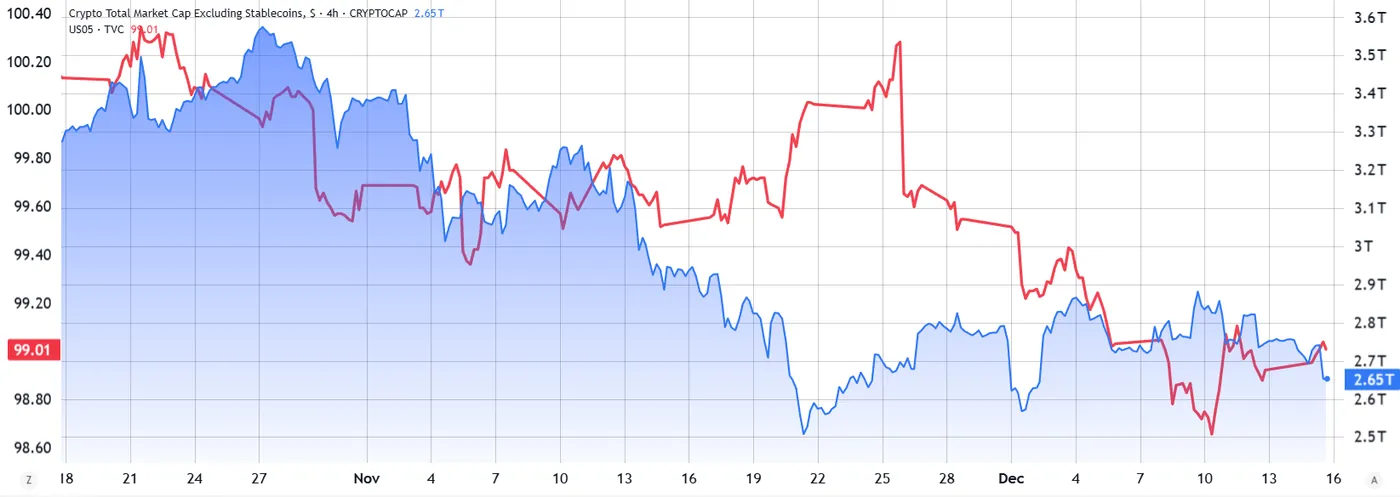
Market dynamics were further affected by shifts in expectations regarding the Federal Reserve Chair appointment. Kevin Hassett's chances of succeeding Jerome Powell diminished, while former President Trump endorsed Kevin Warsh as an alternative candidate. The US Dollar Index stabilized at the 98 level after a prolonged decline, reflecting some confidence in the government's economic management. However, this stability tends to reduce demand for cryptocurrencies as alternative hedges.
Risks from Leverage and AI Sector Weakness
Excessive leverage remains a critical concern, with futures open interest at $135 billion. Hedge fund Bridgewater Associates warned of a potential bubble in the AI sector, citing heavy reliance on debt to finance investments. Greg Jensen, Bridgewater's Co-Chief Investment Officer, noted a reasonable probability of bubble formation. Concurrently, demand for short leverage surged on Bybit, pushing funding rates below zero, an unusual market condition indicating increased bearish sentiment.
Market Outlook and Investor Sentiment
Traders are increasingly seeking protection from inflation amid Federal Reserve rate cuts, shifting toward cash positions and reducing exposure to riskier assets like cryptocurrencies. Upcoming US economic data releases, including retail sales and payroll figures, are awaited closely. The combination of high leverage, macroeconomic uncertainty, and sector-specific risks continues to exert downward pressure on crypto prices.
Why This Matters for Miners
For miners operating between one and a thousand devices in Russia, these market developments signal a period of heightened volatility and risk. The correction and liquidations highlight the importance of cautious leverage use. Macroeconomic challenges and Fed chair uncertainty may indirectly affect mining profitability by influencing cryptocurrency prices and market liquidity.
What Miners Should Do
- Monitor cryptocurrency price levels closely, especially Bitcoin around $85,000 and Ether near $2,900.
- Limit exposure to leveraged positions to reduce risk during volatile periods.
- Stay informed about US economic indicators and Federal Reserve announcements that can impact market sentiment.
- Consider maintaining liquidity to navigate potential further corrections.
- Follow developments in the AI sector and broader macroeconomic trends as they influence market dynamics.
For more detailed insights on the ongoing market correction and its causes, see Crypto Market Correction Causes in 2024. For analysis on Bitcoin price trends amid these conditions, refer to Bitcoin Price Outlook December 2025.