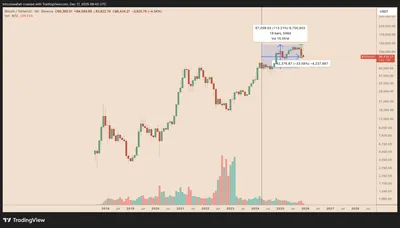
Bloomberg Intelligence commodity strategist Mike McGlone told Cointelegraph he has reversed his long-term outlook on Bitcoin and the broader crypto market, advising investors to "sell the rallies" in 2026. His view is that the market conditions which once supported Bitcoin have changed, and that investors should be cautious about buying every upswing.
Bloomberg Strategist Reverses Bitcoin Outlook
McGlone moved from a more optimistic stance to a bearish one, arguing that Bitcoin no longer occupies the same niche it once did. In his interview he explains this change in perspective and urges a different approach to risk assets in 2026.
Bitcoin's Changing Market Dynamics
According to McGlone, Bitcoin has evolved from a scarce, disruptive asset into a crowded and highly speculative ecosystem, which alters its investment profile. He also highlights that Bitcoin is increasingly correlated with equities and therefore vulnerable to the same macro forces as traditional markets; for a deeper look at how swings can behave, see Bitcoin volatility analysis.
Warning Signs in the Crypto Market
McGlone points to several red flags: excessive speculation, the approval of exchange-traded funds (ETFs) and historically low volatility, which together resemble conditions seen near past market peaks. He suggests these factors reduce Bitcoin's role as an external hedge and increase its sensitivity to broader market moves.
Broader Macro Outlook for 2026
The conversation covers more than crypto: McGlone outlines a stark macro outlook for stocks, commodities and precious metals and links those views to the risks he sees in Bitcoin. He specifically notes that gold’s recent rally may be less a sign of underlying strength and more an indicator of deeper instability in markets.
Key Takeaways from the Interview
McGlone emphasizes that Bitcoin's shift into the mainstream financial ecosystem changes how investors should treat it and supports his recommendation to sell rallies in 2026. He also mentions which market signals he is watching and says the full interview on Cointelegraph's YouTube channel covers how low Bitcoin could fall and the specific indicators he follows; for additional context see our Bitcoin forecast 2026.
Why this matters
If you run mining equipment in Russia, the practical implication is that Bitcoin price moves may increasingly reflect global equity and macro swings rather than idiosyncratic crypto factors. That increased correlation can mean larger and more synchronized downturns, which affect revenue, cash flow planning and decisions about powering up or down rigs.
What to do?
- Review operating margins and short-term cash needs before expanding operations, prioritizing flexibility over maximum utilization.
- Keep maintenance and firmware schedules current so you can scale hashpower up or down quickly if markets move against you.
- Monitor macro signals and the specific indicators McGlone mentions—speculation, ETF flows and volatility—rather than relying solely on price momentum.
- Consider diversifying risk exposures where feasible, for example by staggering equipment purchases or keeping a portion of proceeds in liquid reserves.