Recent sharp, short-lived moves in Bitcoin have been linked to procedural trades by institutional funds rather than shifts in investor sentiment. A Bloomberg analysis, highlighted by ETF analyst Eric Balchunas, describes these events as ‘heartbeat trades’ because they produce a distinct spike-and-retrace pattern on price charts. Understanding the mechanics behind these trades helps explain why some intraday volatility does not reflect a change in Bitcoin’s underlying outlook.
Understanding Heartbeat Trades in Bitcoin Markets
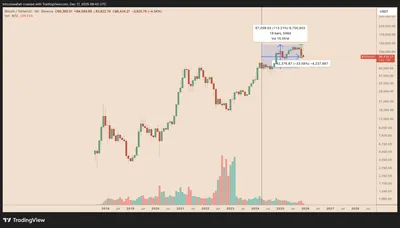
The term “heartbeat trade” comes from the particular V-shaped price pattern these operations create, resembling a heartbeat on intraday charts. These transactions are typically carried out by large ETF managers who are adjusting portfolios or managing tax exposure, not expressing a view on Bitcoin’s value. Because the moves are procedural, analysts now watch for this signature to avoid mistaking it for sentiment-driven momentum.
The Mechanics of ETF Tax Avoidance
At the core of heartbeat trades are in-kind transfers: instead of selling assets for cash and realizing capital gains, ETF managers move large blocks of the asset directly to authorized participants. For spot Bitcoin ETFs this means transferring substantial amounts of BTC without triggering a taxable event for the fund. The size and timing of these transfers can briefly distort the spot market price, producing the sharp spike and revert pattern associated with heartbeat trades.
Distinguishing Tax Strategy from Market Sentiment
Market sentiment reflects collective investor views driven by news, regulation, or macro developments, whereas tax-driven trades are procedural and not based on expectations about future price. Key visual differences include the isolated V-shaped pattern of heartbeat trades versus more sustained moves linked to sentiment. For most observers, the prudent approach is to treat isolated spikes caused by fund housekeeping as technical noise rather than a signal of changing fundamentals.
The Broader Impact on Cryptocurrency Markets
The growing frequency of these trades is a sign that Bitcoin is becoming more integrated with traditional ETF plumbing and institutional workflows. That integration means regulated financial products can cause measurable but temporary effects on price discovery, adding a new form of technical volatility alongside broader market drivers. For readers who follow fund flows, detailed coverage of ETF flows in 2025 provides context on how large movements of capital interact with price dynamics.
Expert Analysis and Future Outlook
Eric Balchunas’s observation has helped market participants better identify and interpret these procedural signatures, giving analysts a way to filter out mechanical noise. Other industry voices note that as regulated products expand, short-term price action will increasingly include these technical events alongside genuine sentiment shifts. This pattern aligns with broader reporting on market consolidation in ETF-managed crypto exposure and underscores the need for refined analysis.
Why this matters
For miners, even small-scale operators, heartbeat trades mean some intraday price spikes may not indicate lasting demand or a change in fundamentals. Reacting to these transient moves—by selling during a spike or interpreting every sharp move as a trend change—can lead to suboptimal decisions. Recognizing that some volatility is driven by fund mechanics helps you keep a clearer view of long-term price drivers and operational planning.
What to do?
If you run between one and a thousand devices in Russia, prioritize operational and financial plans that do not hinge on short-term intraday spikes. Consider relying on longer-term indicators and on-chain data rather than reacting to single-session V-shaped moves, and keep basic risk measures like reserve funds and staggered sell orders. Tracking official ETF creation/redemption notices and fund-flow summaries can help you spot when price noise is likely procedural rather than sentiment-driven.