Bitcoin surged past $97,000 on Jan. 14, 2026 after the U.S. Supreme Court delayed a key tariff ruling, a development that helped trigger a rapid price move amid wider macro tensions. At the same time, several other market stories emerged: Bitcoin ordinals crossed 100 million inscriptions, Ripple integrated RLUSD into a major trading engine, and Binance highlighted a shift toward institutional exposure.
Bitcoin Surges Past $97,000 Amid Market Uncertainty
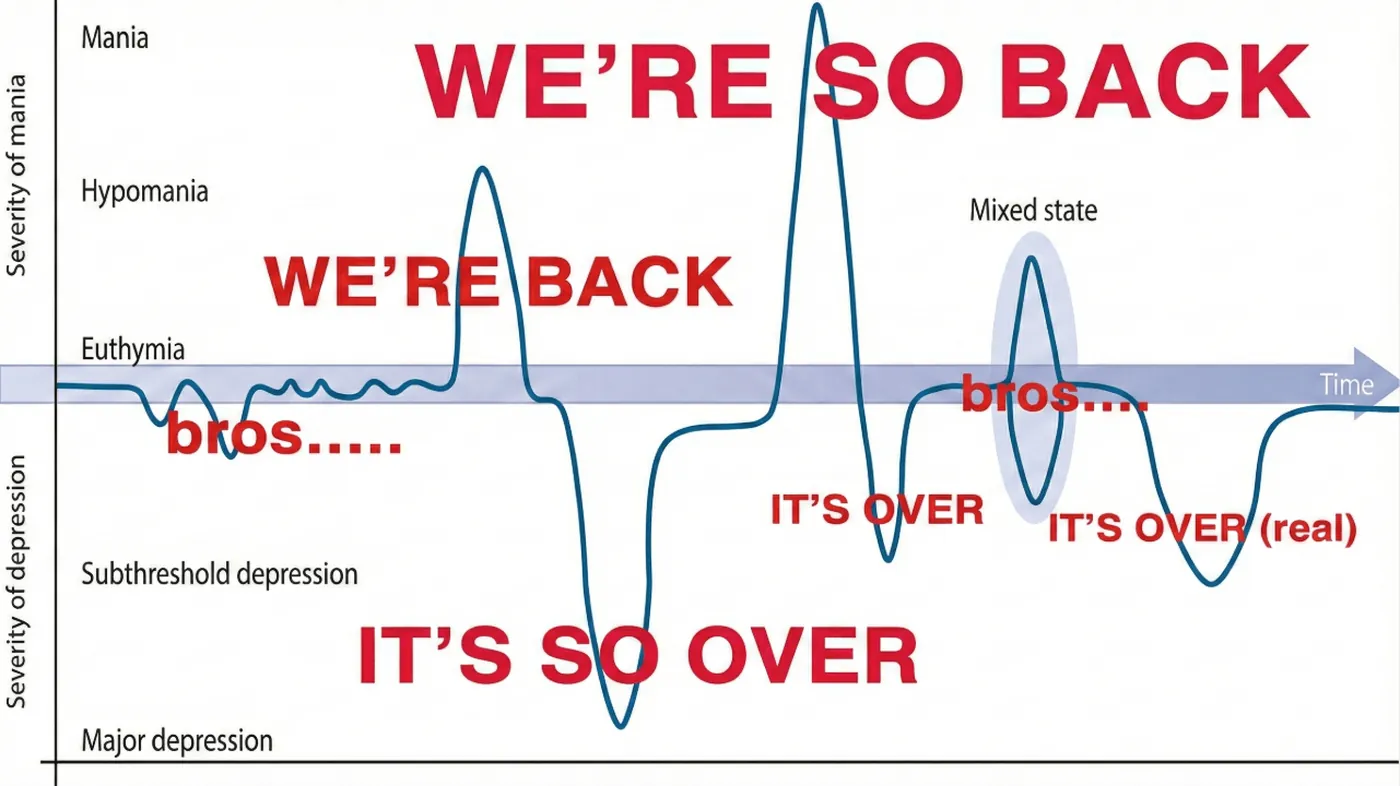
The immediate catalyst cited for the Jan. 14 rally was the Supreme Court’s deferment of a tariff decision, which intensified price action and pushed Bitcoin above $97,000. That move unfolded against a backdrop of elevated macro uncertainty involving the Fed and political tensions, and market commentary linked those factors to the rally. For background reporting on the tariff developments and market reaction, see tariff decision coverage and the Supreme Court delay report.
Ordinals Milestone: Over 100 Million Inscriptions
Bitcoin-based ordinals passed the 100 million inscription mark, marking a sizable on-chain milestone even as overall inscription hype has cooled. This milestone underscores growing activity on Bitcoin beyond pure payments, with inscriptions contributing to on-chain throughput and interest in Bitcoin NFTs. While the wave of attention around inscriptions has faded, the raw count of inscriptions continues to rise.
Ripple’s Institutional Push with RLUSD on LMAX
Ripple locked RLUSD into LMAX’s $8.2 trillion trading engine, a development presented as part of the company’s institutional push and effort to plug into major trading venues. The integration places RLUSD inside a large, global trading infrastructure, which Ripple positions as supportive of institutional digital cash use cases. Market observers treated this as another step in Ripple’s pursuit of broader institutional links.
Binance Highlights Shift to Institutional Crypto Exposure
Binance reported that institutions are increasingly taking long-term crypto exposure, a trend the exchange tied to flows into ETFs and DATs and to changing market structure. The exchange’s commentary framed institutional capital as reshaping liquidity and infrastructure in crypto markets, moving some focus away from retail-driven trading. This trend was presented as part of a broader evolution in how capital engages with crypto assets.
CZ’s Warning on Meme Coin Investments
Binance CEO Changpeng Zhao warned traders not to interpret casual posts as signals to buy viral meme coins, a warning that followed a steep drop in meme-coin market capitalization. According to market data cited by the report, the total meme market cap tumbled roughly 70% year-over-year, a sharp contraction that underlined the risks of chasing short-lived fads. CZ’s message was framed as a caution for traders tempted by viral trends rather than fundamentals.
Why this matters
For miners in Russia running from a single rig up to several hundred devices, these developments matter in practical ways. A sharp price jump like the Jan. 14 move can immediately raise expected revenue per unit of hash, while trends such as more on-chain ordinal activity or institutional liquidity shifts can affect fee patterns and sell-side liquidity over time.
Key practical points
Price volatility changes payout expectations and cash-flow timing for miners, which can affect decisions on when to sell coin versus hold for potential further upside. Meanwhile, increased inscription activity may slightly alter transaction fee dynamics, and greater institutional participation can improve deep liquidity but does not eliminate short-term price swings.
What to do?
Below are concise, actionable steps tailored for miners operating in Russia with 1–1,000 devices. These are practical precautions and checks you can apply quickly.
- Review your sell strategy: decide price or time-based thresholds for converting mined BTC to fiat to manage short-term volatility risk.
- Monitor mempool fees: watch for changes in transaction fee patterns if inscription activity rises, and adjust payout thresholds if your pool uses fee-based distributions.
- Check custody and liquidity options: if institutional flows increase, compare withdrawal and custody terms to ensure access to timely fiat conversion when needed.
- Control operating costs: maintain logs of power use and temperatures; short-term price swings are not guaranteed, so keeping costs low protects margins.
- Beware of hype: avoid acting on social-media-driven token fads—CZ’s warning on meme coins reflects recent large losses in that sector.
Where to follow updates
Keep an eye on exchange announcements and on-chain metrics for rapid changes in fee pressure or liquidity, and subscribe to a few reliable feeds for Supreme Court and regulatory developments that can affect macro drivers. Timely information helps align sell decisions and operational planning with market moves.