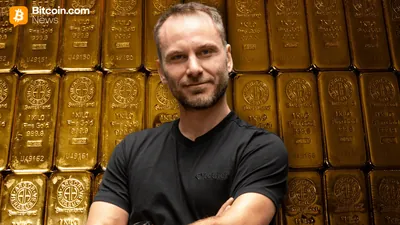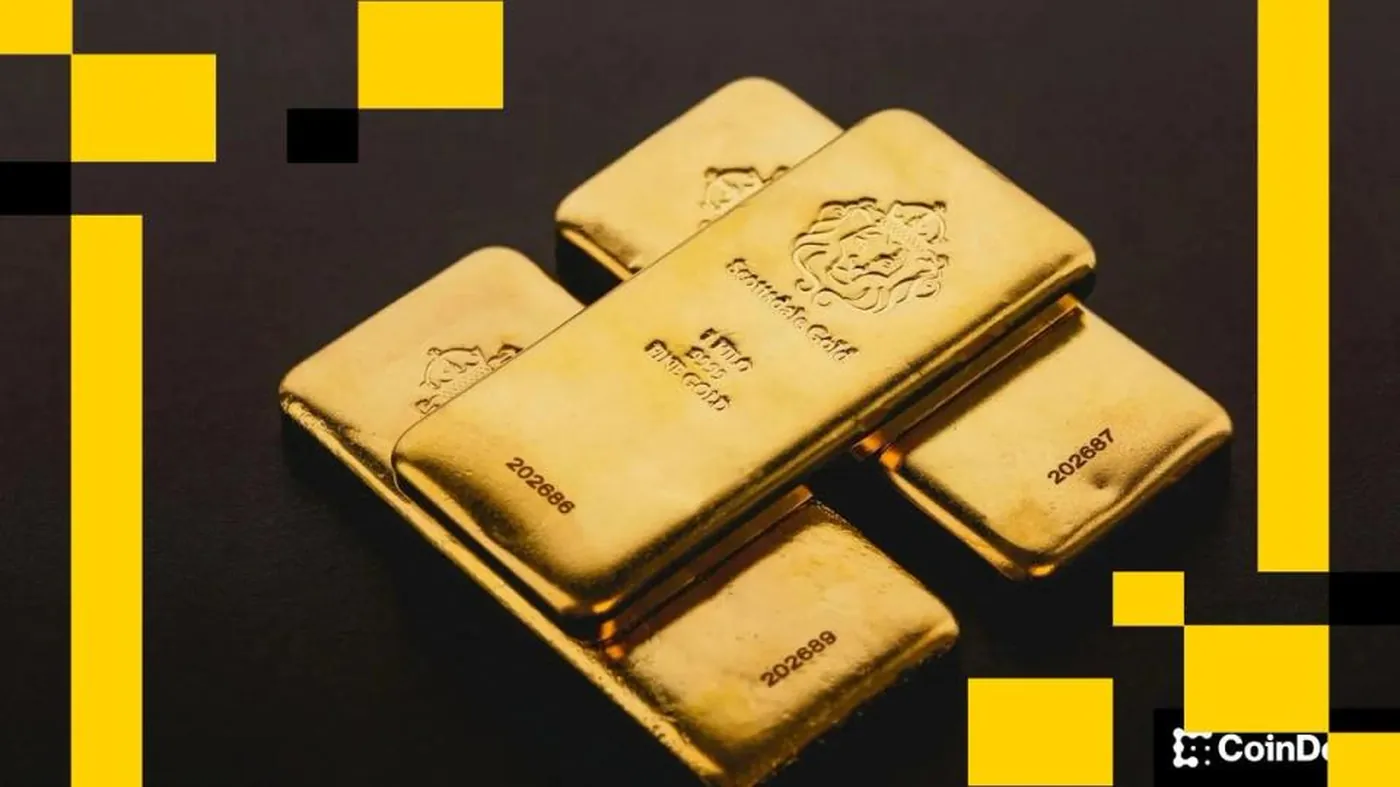
Gold has experienced a surge, rising by more than 80% in the past 12 months, which has drawn strong investor interest across markets. At the same time, Björn Schmidtke of Aurelion warns that most retail and institutional exposure today takes the form of unallocated IOUs rather than specific, owned bars. That gap between perceived ownership and legal allocation is at the heart of the concern: investors often think they own physical metal when they hold paper claims. Tokenized gold, such as the XAUT token, is presented as an alternative that links ownership directly to allocated bars in Swiss vaults.
The Rise of Gold Prices and Hidden Risks
Price surge and investor attention
The recent buying frenzy pushed gold to outperform many assets, with prices up over 80% year-on-year. This rapid appreciation has driven inflows into familiar products like ETFs and other paper exposures. For background on the extreme price moves that accompanied this demand, see the gold price record coverage that tracks those highs.
Björn Schmidtke’s warning
Schmidtke emphasizes that the easiest purchase path—buying ETF shares or similar instruments—creates what he calls “paper gold,” where ownership is effectively an IOU. He points out that while these instruments avoid the hassle of storage, they do not provide proof of ownership of a specific bar. The concern is practical: in a stress event, converting those claims into actual, allocated metal could become logistically and legally complex.
Problems with 'Paper Gold' and ETFs
Unallocated IOUs dominate exposure
According to Schmidtke’s estimate, roughly 98% of gold exposure is held as unallocated IOUs, meaning investors own claims rather than titled bars. In that setup, holders usually cannot identify which physical bar corresponds to their claim, because allocation is not recorded at the investor level. The current system has functioned while few investors request delivery, but the lack of traceable title is a structural weakness.
Risk of market friction in a crisis
If many holders demand physical delivery at once, moving large quantities of metal quickly is impractical and could create a bottleneck. Without searchable ownership records tied to specific bars, logistics and settlement would be harder to coordinate, potentially separating prices for physical metal and paper claims. Schmidtke points to prior stresses in other metals as an example of how physical premiums can diverge from paper prices in stressed conditions.
Tokenized Gold as a Solution
What XAUT represents
XAUT is a blockchain-based token that, according to available reporting, is backed by physical gold stored in Swiss vaults and is tied to allocated bars. Tokenized ownership decouples title transfer from physical movement: the token moves onchain while the underlying bar remains in storage. That structure creates a searchable, transferable title deed in the form of a token, which proponents say reduces the delivery bottleneck associated with unallocated IOUs.
Advantages over traditional paper gold
Because each XAUT token is linked to allocated bars, holders can theoretically trace and redeem a specific bar, whereas ETF shares typically represent pooled, unallocated claims. Tokenization aims to combine the speed of digital transfers with the option of physical settlement. For technical approaches to fractionalization and XAUT mechanics, see the piece on Tether Scudo and tokenized gold.
Aurelion's Strategy and Future Plans
Holdings and investment approach
Aurelion has restructured its treasury to hold XAUT tokens as part of its long-term strategy. The company currently holds 33,318 XAUT tokens, valued at around $153 million by CoinGecko data, and positions that holding as a durable, long-term asset rather than a short arbitrage play. Management says the approach is focused on compounding over time rather than quick trades.
Capital plans and scaling
Aurelion plans to raise additional capital over the next year to expand its gold treasury, reflecting a strategy to increase allocated exposure via tokenized metal. The firm notes it would consider selling only under a significant and sustained discount to its underlying holdings, underscoring a long-term orientation. These steps are part of Aurelion’s effort to build a Tether Gold equity with allocated backing.
Почему это важно
Если вы майните и храните выручку или сбережения в финансовых активах, важно понимать, что большинство «золотых» продуктов не дают титула на конкретный слиток. По оценке Schmidtke, около 98% экспозиции оформлены как необособленные IOU; это значит, что в обычной ситуации вы не сможете указать конкретный слиток как ваш. Даже если текущая система долгое время работала без массовых требований на доставку, наличие записанного титула снижает риск логистических и правовых препятствий при попытке получить физическое золото.
Что делать?
- Проверьте форму экспозиции: убедитесь, держите ли вы ETF/паевые бумаги (необособленные IOU) или активы с выделенными слитками. Понимание формы владения — первый шаг к управлению риском.
- Если нужна привязка к физике, рассмотрите токенизированные решения, которые, как заявлено, представляют выделенные слитки и хранятся в швейцарских хранилищах. XAUT приведён как пример такого подхода.
- Уточните у поставщика правила выкупа и подтверждение выделения слитка: какие документы доступны и как происходит рекламация при требовании доставки.
- Диверсифицируйте хранение капитала и не полагайтесь исключительно на один тип «золотой» экспозиции; держите записи и квитанции по всем позициям.