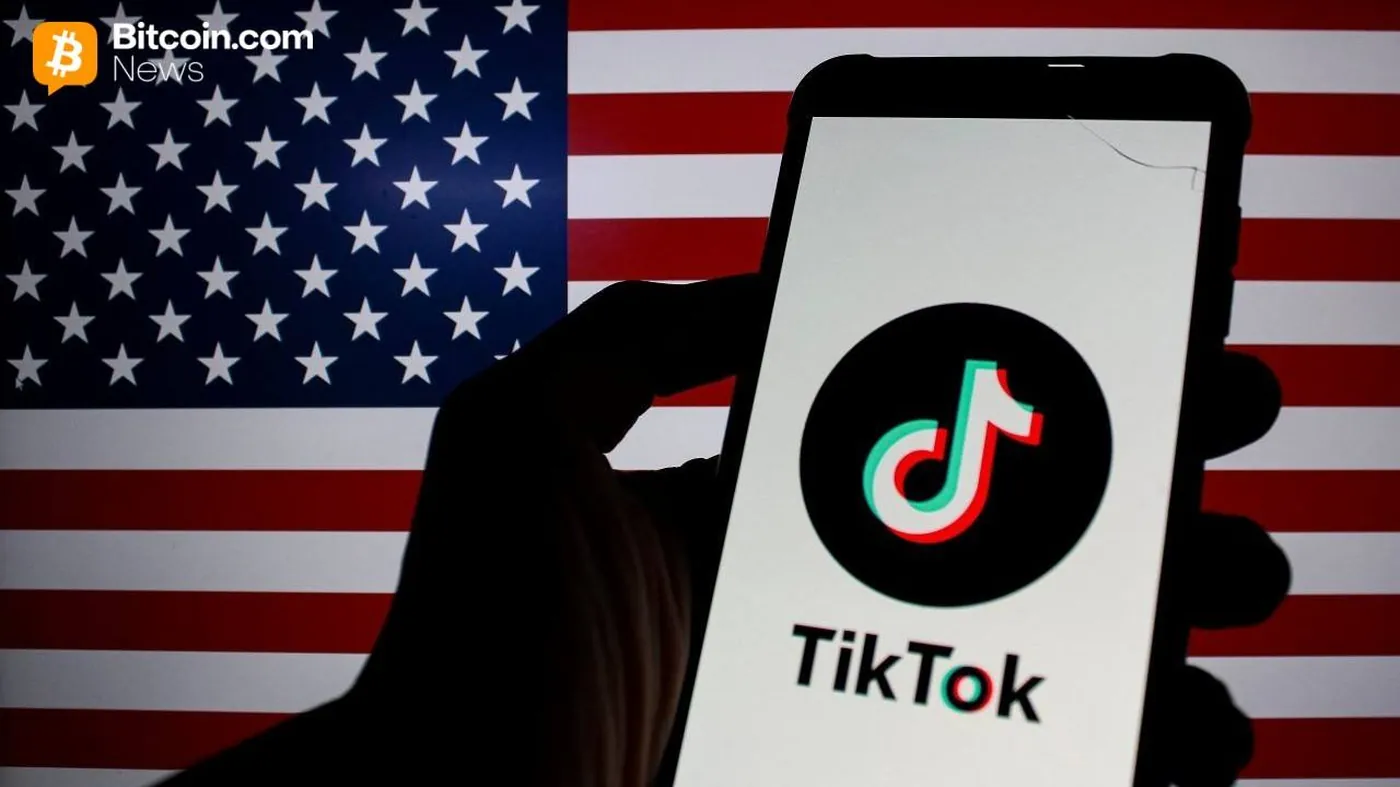
TikTok will continue operating in the United States through a newly formed joint venture that includes Oracle, Silver Lake, MGX and other investors. The partners will own 50% of the entity to be called TikTok USDS Joint Venture LLC, a structure presented as a way to address previous regulatory concerns. The announcement coincided with gains in equities and a rise in Bitcoin’s price to $88,007.63, suggesting markets reacted positively to the deal.
TikTok’s U.S. Joint Venture Announcement
TikTok has now been downloaded more than two billion times, a scale that underscored the stakes as regulators weighed national security risks. The app’s parent, ByteDance, is subject to China’s National Intelligence Law, which raised concerns that led to prohibitions in Canada and a temporary ban in the U.S. The new U.S. joint venture, which lists Oracle, Silver Lake and Abu Dhabi-based MGX among its investors, is intended to keep TikTok operating in America under a restructured ownership and oversight arrangement.
Market Reaction to the News
Equities rallied after the joint-venture announcement, with Oracle among the stocks that moved sharply higher and helped lead a broader market advance. That equity move coincided with a gain in Bitcoin and appeared to lift risk appetite across asset classes, even if the link between the deal and crypto flows was indirect. The rally may also interact with corporate and institutional dynamics in crypto markets; for related context on institutional positions, see corporate Bitcoin ownership.
National Security and Regulatory Concerns
U.S. and Canadian restrictions on TikTok stem from worries about data access and the implications of Chinese law for ByteDance’s obligations to state intelligence efforts. Some observers have welcomed the joint venture as a way to reduce those concerns, while others questioned whether governance and algorithmic control have truly shifted away from Beijing. The debate over how independence will be guaranteed remains central to whether the deal resolves regulators’ core objections.
Bitcoin Market Metrics
- Price: $88,007.63 at the time of writing, up 2.82% for the day.
- Daily trading volume: $47.42 billion, down 9.77% for the day.
- Market capitalization: $1.75 trillion; Bitcoin dominance: 59.55% (down 0.54%).
- Total Bitcoin futures open interest: $59.13 billion, up 3.73%.
- Daily liquidations: $99.27 million, with short sellers responsible for $61.66 million and long investors about $37.61 million.
Why this matters
For miners, the TikTok deal mainly affects sentiment rather than local operational conditions: the announcement eased some regulatory fears and helped lift risk assets, which in turn coincided with a short-term Bitcoin price uptick. At the same time, core fundamentals for mining — power costs, equipment efficiency and network difficulty — are unchanged by the corporate deal. Still, moves in price, volume and futures open interest can change short-term trading dynamics that affect miners who sell mined coins regularly.
What to do?
If you run one to a thousand machines in Russia, focus on practical risk management and operational resilience rather than the headline itself. Keep your business ready for short-term price swings and liquidity events, and monitor on-chain and derivatives metrics that reflect stress points in the market.
- Monitor prices and liquidations daily and set sell thresholds that match your cash-flow needs and risk tolerance.
- Manage electricity and pooling arrangements to keep costs predictable; small changes in price can affect margins quickly.
- Use secure, non-custodial wallets and follow best practices for key management to protect mined coins before sale.
- Maintain equipment and spare parts inventory to reduce downtime during market moves that incentivize ramping production.
- Track futures open interest and exchange flows as an early signal of increased leverage or funding stress in the market; for examples of company-level accumulation, see American Bitcoin purchase.
FAQ
Why did Bitcoin and stocks rise after the TikTok news? Markets rallied when the joint-venture plan reduced some regulatory uncertainty around TikTok’s U.S. operations, which boosted equities and appeared to support a risk-on move that coincided with Bitcoin’s intraday gain. The connection to Bitcoin was indirect: improved market sentiment likely helped spill over into crypto trading.
What changed with TikTok’s U.S. status? TikTok will continue operating in the U.S. through a joint venture that includes Oracle and other investors, with the new partners owning 50% of TikTok USDS Joint Venture LLC. The arrangement was presented as a step to address national security concerns that previously prompted prohibitions.
Did the TikTok deal directly drive Bitcoin higher? The deal did not directly change Bitcoin’s fundamentals, but the equity rally and improved risk sentiment coincided with Bitcoin rising to $88,007.63 on the day of the announcement. Traders often react across asset classes to such headline-driven shifts in sentiment.