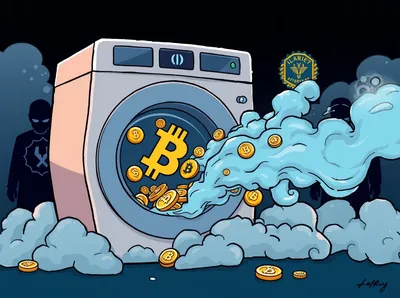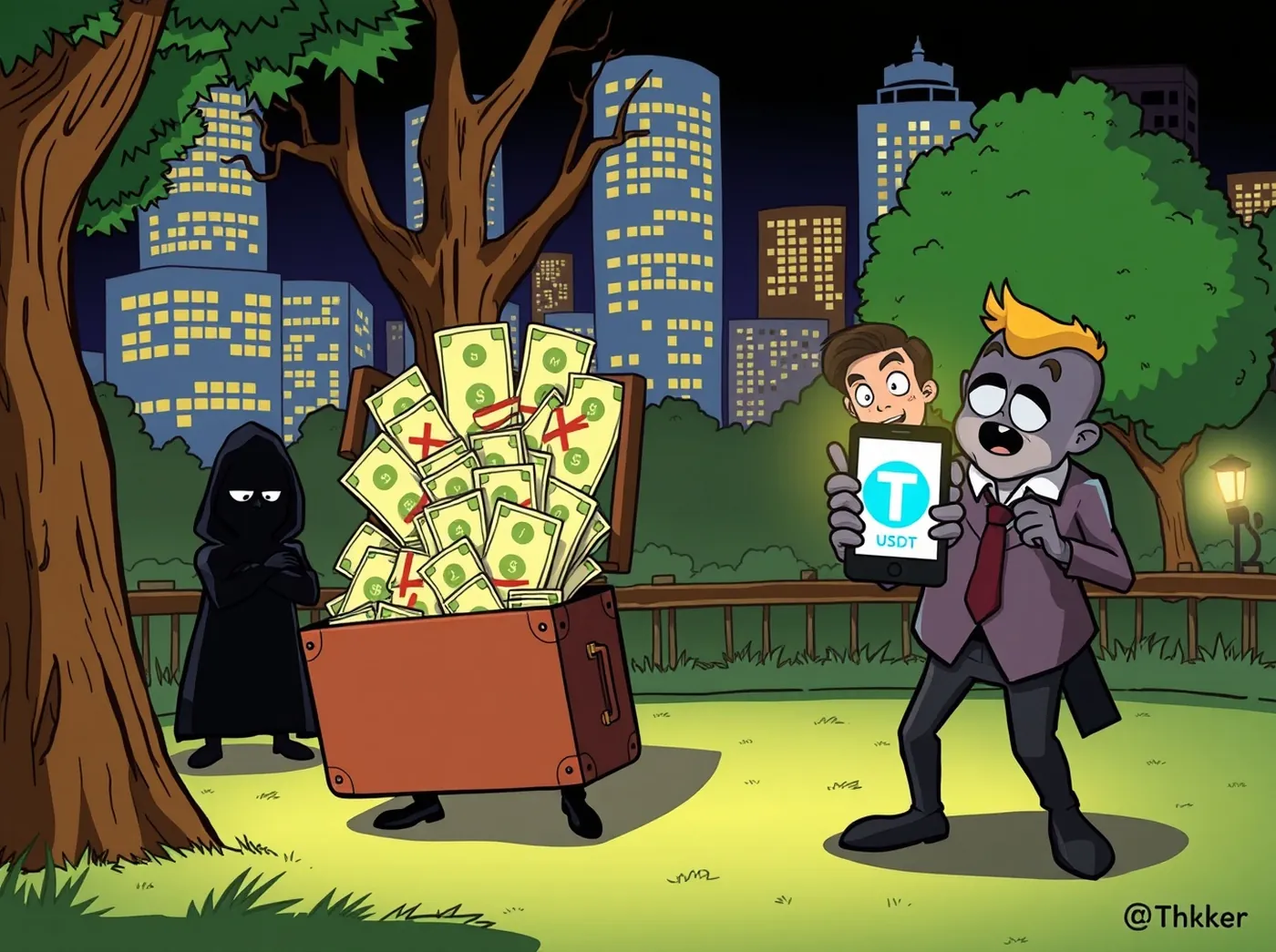
South Korean authorities uncovered an attempt to buy Tether using 400 million won in counterfeit 50,000‑won banknotes, a sum reported as nearly $300,000. The planned exchange was to take place in front of Cheonan‑Asan Station in the city of Asan, and News1 is cited as the reporting source. According to the reports, the attempt failed and the group was apprehended and referred to prosecutors before the transaction could be completed.
Details of the attempted exchange
Reports say the suspects tried to exchange 400 million won (approximately $290,000) in fake 50,000‑won notes for Tether (USDT). The meeting point was a public area in front of Cheonan‑Asan Station in Asan, where the suspects expected to complete the P2P deal in person. South Korean authorities intervened before the handover, and the case has been passed to prosecutors as reported by News1.
Legal outcome reported
According to the available reports, the attempted purchase did not succeed. The group involved was apprehended and has been referred to prosecutors, and the authorities handled the case before the counterfeit cash was exchanged for the stablecoin.
Why criminals might target Tether (USDT)
Tether is described in reports as a “stablecoin,” a type of cryptocurrency whose value is pegged to a stable asset like the US dollar. Because it is widely used as a dollar‑pegged digital asset, criminals seeking to convert large amounts of cash into crypto may focus on stablecoins such as Tether. This incident is presented in coverage as an example of traditional financial crime adapting to instruments in the digital-asset ecosystem.
Risks of face-to-face (P2P/OTC) crypto trades
The case underlines common dangers of in-person peer-to-peer or over‑the‑counter trades, especially with unknown counterparties. While many P2P platforms offer escrow and identity checks, face‑to‑face deals remove those safeguards and increase exposure to fraud, counterfeit money, and other criminal schemes. For anyone arranging large trades in public, the lack of formal protections raises material safety and legal risks.
Practical guidance for users
- Prefer regulated cryptocurrency exchanges that require identity verification rather than large unsolicited in‑person trades.
- Avoid accepting or offering cash for large P2P deals with strangers; unsolicited proposals for big face‑to‑face exchanges are a red flag.
- Report suspicious offers or encounters to local law enforcement and to the platform where the counterparty was contacted.
Context and implications
This failed scheme illustrates how conventional crimes can use digital assets as a conversion tool, not that the assets themselves create the crime. The episode connects to broader events and market movements involving Tether; for example, readers tracking large token flows may find the report on a large USDT transfer useful context. Coverage of Tether’s market role is also discussed in analysis of its Tether global reach, which helps explain why such assets appear in criminal cases.
Why this matters (quick take for miners in Russia)
If you run mining equipment—whether a single rig or a few hundred—this story is a reminder that risks around cryptocurrency are often about how value moves, not just mining itself. In-person P2P trades can expose you to counterfeit currency, legal complications, or scams that have nothing to do with your mining operation. Staying on regulated platforms for conversions and avoiding large unverified cash deals reduces personal and operational exposure.
What to do? (short checklist for miners)
- Use exchanges with ID checks for converting crypto to fiat or buying stablecoins, rather than large face‑to‑face trades.
- Refuse unsolicited offers for big in‑person exchanges and, if pressured, leave the situation and contact local authorities.
- Document and report attempts that involve counterfeit money or other illegal activity; early reporting helps investigators and protects your community.
FAQ
What is Tether (USDT)?
Tether is described as a “stablecoin,” a type of cryptocurrency whose value is pegged to a stable asset like the US dollar and is commonly used to trade other cryptocurrencies.
Was the attempt to buy Tether successful?
No. Reports say the attempt was unsuccessful: the group was apprehended and referred to prosecutors before they could complete the transaction with the fake banknotes.
Is it illegal to buy Tether?
Buying Tether itself is not described as illegal in the reports. The criminal element in this incident was using counterfeit money to obtain the stablecoin, which is a separate, serious offense.
What should I do if I suspect counterfeit money in a trade?
Do not proceed with the transaction. Safely remove yourself from the situation and report the incident to local law enforcement immediately.
Source: Reports from News1. The original coverage appeared on Bitcoinworld.co.in; that site includes a disclaimer that its information is not trading advice and holds no liability for investment decisions.