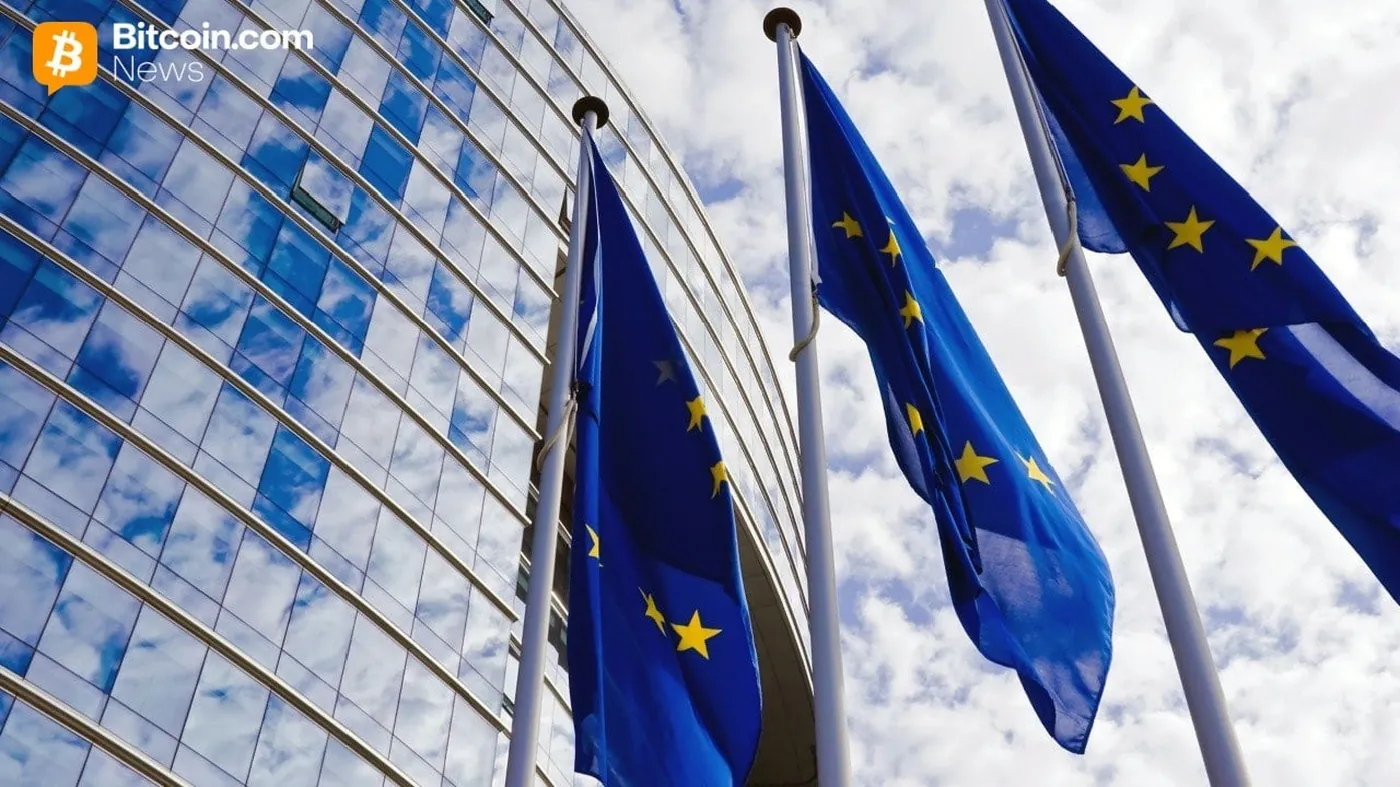
The European Union has decided to allocate €90 billion (approximately $105 billion) to Ukraine in the form of a loan over the next two years. The funds will be secured through joint borrowing by the majority of EU countries, with Hungary, Slovakia, and Czechia opting out of this scheme. European Council President António Costa described the decision as an achievement and confirmed that commitments have been made and will be fulfilled.
EU Allocates $105 Billion to Ukraine
The loan is structured as a two-year support program aimed at financing needs related to defense and stabilization. The funds will be raised by European institutions as a single package; however, some member states have chosen not to join the joint borrowing. Public reaction within the EU has been mixed: some leaders supported the move, while others expressed doubts and criticism.
Belgium's Position on Russian Assets
Reasons for Rejecting the Use of Frozen Assets
The proposal to use frozen Russian assets to finance the loan program did not receive support from Belgium. Officially, Belgium feared legal consequences and potential lawsuits from the Russian state if the initiative were implemented. As a result, the idea of using these assets was rejected and did not become part of the final decision.
The Role of Euroclear and Associated Risks
Discussions involved questions about where and how the frozen assets are stored, creating additional practical and legal challenges. Belgium's concerns were specifically related to the risk of legal vulnerability when attempting to transfer or substitute such assets. Therefore, at this stage, the assets remain frozen and outside the financing scheme.
Reactions from Hungary and Other Countries
Hungary openly criticized the deal: Prime Minister Viktor Orbán called it a "bad step," stating that it resembles a loan Ukraine will not be able to repay and that it essentially results in a loss of funds. At the same time, Slovakia and Czechia did not participate in the joint borrowing mechanisms, highlighting discord within the EU regarding the form of assistance. These disagreements demonstrate that the support scheme was not unanimously agreed upon and has sparked political debate.
Vladimir Putin's Opinion
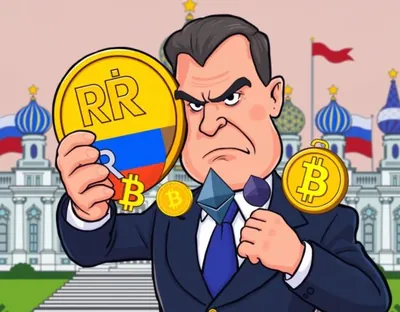
The Russian president described the idea of using frozen assets as "robbery." He emphasized that, in his view, this is not a covert appropriation but an open attempt to seize property, characterizing such actions very negatively. His remarks became part of the diplomatic response to the EU's decisions.
Why This Matters
For miners in Russia, the EU's decision may not have a direct or immediate impact; however, in the long term, decisions regarding frozen assets and financing methods reflect the state of international financial policy. Legal disputes over assets and internal political reactions within EU countries may increase uncertainty in financial markets, indirectly affecting exchange rates and liquidity.
If you monitor risks and operating conditions, it makes sense to pay attention to news about international financial decisions and payment restrictions — this will help better assess periods of volatility and choose operational strategies. For practical mining aspects, it is also useful to periodically check information on regional regulations, such as plans to legalize mining in neighboring countries, and possible restrictions on cryptocurrency payments.
What to Do?
- Follow official sources and news on sanctions and frozen assets to respond promptly to changes that may affect liquidity and payments.
- Maintain cash reserves and contingency plans in case of increased volatility in crypto and financial markets; this helps sustain operations and cover short-term expenses.
- Ensure that equipment and payment processes comply with local laws and tax requirements to avoid regulatory issues.
- Diversify income sources and withdrawal methods, avoiding reliance on a single channel, especially if it might be affected by restrictions.
- For deeper understanding of regional changes, read materials on mining regulation and crypto payments — this aids in planning operational decisions.
If you want to explore local legislative initiatives on mining, we recommend the article about mining legalization in neighboring countries. It is also useful to follow news on cryptocurrency payments, such as the piece on the ban on cryptocurrency payments, to understand possible payment restrictions.