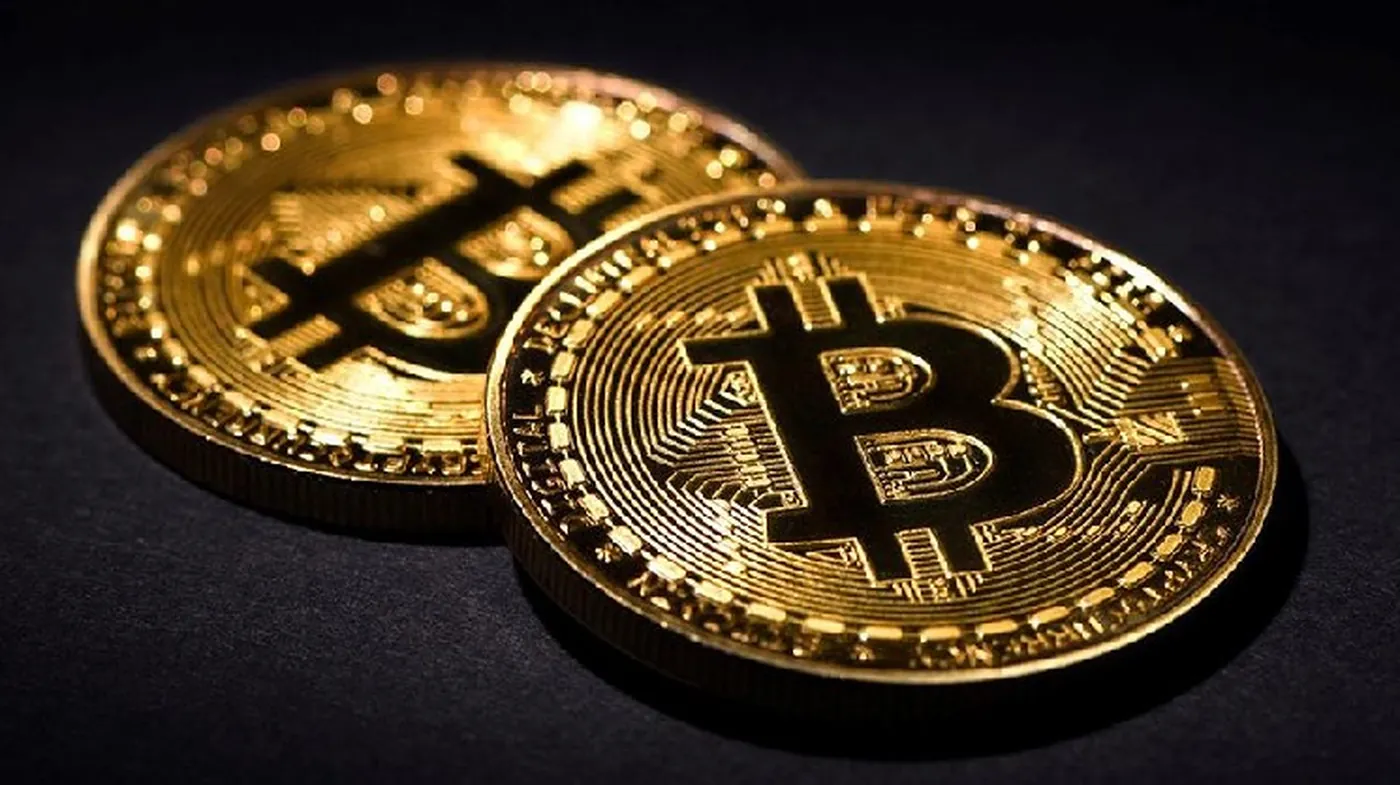
Weekly summary: Prices of leading cryptocurrencies remained mostly stable from December 19 to 26, 2025, with the market showing low activity and limited volatility. Notably, a record Bitcoin options expiry worth over $23 billion is set for December 26, which could theoretically increase short-term price fluctuations. Contrasting trends are evident: inflows and outflows in spot ETFs and rising activity on the Ethereum network.
Bitcoin Market Overview
Between December 19 and 26, Bitcoin’s price was essentially unchanged, trading around $88,000, with daily moves rarely exceeding 1.5%. This low volatility has kept the market calm, though this state could quickly shift amid major events. A key factor is the record options expiry on December 26 exceeding $23 billion; this event could boost intraday swings and rapidly change investor sentiment.
Over three trading sessions, Bitcoin spot ETFs recorded outflows exceeding $0.5 billion, reflecting institutional caution at year-end. The low risk appetite supports a consolidated price range despite possible technical or short-term movements. For more details on factors holding the price, see the article why Bitcoin is stuck near $87,000, which explores potential drivers.
Additionally, on December 24, Binance experienced a sharp Bitcoin dip below $24,500, an event some participants viewed as an anomaly. This serves as a reminder that low liquidity can cause brief "flash crashes" leading to significant intraday price gaps.
Ethereum Situation
Ethereum also remained mostly flat during the week, trading just below $3,000. Despite price stagnation, the Ethereum network set a yearly record for daily transactions on December 23, accompanied by low fees, indicating high user demand at specific times. Analysts link these improvements to recent protocol upgrades, mentioning the Pectra and Fusaka hard forks.
Besides network activity, there’s a rise in large holders: addresses with balances between 10,000 and 100,000 ETH increased by 60% since April, reflecting accumulation by major investors. These trends—growth in large wallets and transaction spikes—are important indicators of interest in the asset, even with stable prices.
Solana Dynamics
Solana lost about 1.74% from December 19 to 26, showing a mostly downward trend during the week. Volatility remains low, but the price consistently closed sessions in the red, reinforcing a bearish short-term sentiment.
Meanwhile, SOL spot ETFs continue to see inflows: $13.14 million was invested over three trading sessions, though these amounts are significantly smaller than flows into Bitcoin and Ethereum products. At the same time, Solana futures open interest plunged 58% from its September all-time high, indicating reduced interest in derivatives on this network.
Overall Conclusions
The week ended without a classic "Christmas rally," maintaining low risk appetite among investors. Prices of Bitcoin, Ethereum, and Solana changed insignificantly despite isolated events and activity spikes. Overall, the market appears cautious and focused on specific events like the options expiry and network records.
Why This Matters
For miners, stable prices mean relatively predictable short-term revenues, but the record options expiry on December 26 may cause strong intraday volatility. Even if the underlying trend remains calm, volatility spikes or liquidity anomalies (such as the Binance dip) can temporarily affect prices and impact proceeds from selling mined coins.
Additionally, increased Ethereum network activity and concentration of large addresses indicate shifts in demand distribution, potentially influencing fees and transaction flows during peak periods. Miners should consider this when planning fund withdrawals and timing exchanges or sales.
What to Do?
- Plan sales carefully: anticipate increased intraday volatility on December 26 due to options expiry and avoid relying on a single market entry point.
- Keep reserves: hold some mined coins in wallets to cover expenses in case of short-term price drops or exchange delays.
- Monitor platform liquidity: low liquidity raises flash crash risks—check volumes and order book depth before large sales.
- Optimize fees and transaction timing: Ethereum’s activity records show fees can stay low on certain days, so choose optimal windows for transfers or conversions.
For historical context on price dynamics during the holiday season, see the review Bitcoin prices at Christmas. For comparison with analyst forecasts, refer to the article Bitcoin price forecast for 2026. These pieces help understand how current events fit into the broader market picture.