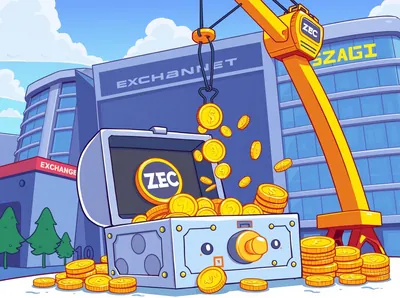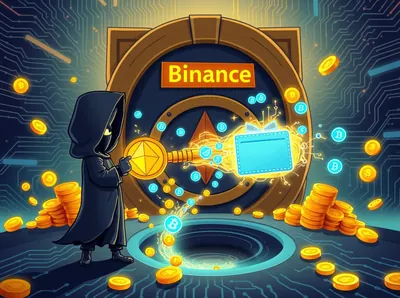
An anonymous entity executed a large withdrawal of 202,077 ZEC from Binance, totaling $88.28 million. This transaction coincided with a 12.23% increase in ZEC's price, which surged to $447.7 following the announcement of the transfer. In this article, we explain the scale of the operation, potential market implications, and practical takeaways for miners and holders of ZEC.
What Does the Massive ZEC Withdrawal from Binance Mean?
The mere fact of moving 202,077 ZEC worth $88.28 million from a major exchange is a notable single transaction in terms of volume and value. Such a withdrawal may indicate a shift in asset storage strategy: funds might be transferred to cold wallets or custodial accounts outside the exchange, though the exact motivation of the anonymous party remains unknown.
Simultaneously with the transfer, ZEC's price rose by 12.23%, reaching $447.7, suggesting a market reaction to reduced liquidity on the exchange or perceiving the withdrawal as a signal of accumulation. Similar large transfers have been observed with other coins, and their impact is often analyzed through exchange flow data; for example, see the case of significant ETH transfers to Binance — ETH transfer to Binance.
Why Are Whale Movements Critical for Zcash?
Large holders, or “whales,” can influence short-term liquidity and market sentiment: a substantial withdrawal from an exchange can reduce the volume of coins available for sale, while large deposits can increase selling pressure. This is especially notable for Zcash due to the relative specificity of its market.
Zcash is a privacy-focused cryptocurrency that uses advanced cryptography (zk-SNARKs) to conceal transaction details, including sender, receiver, and amount. Yet, any large ZEC movements attract heightened attention precisely because some operations may remain partially opaque in the public domain, complicating interpretation of holders’ motives.
ZEC Price Dynamics: Coincidence or Pattern?
After the withdrawal of 202,077 ZEC, the price rose 12.23% to $447.7, demonstrating a clear temporal link between the event and market reaction. However, correlation does not prove causation: the price increase could have been driven by multiple factors, with the transfer serving as one signal perceived by market participants.
For retail investors, this implies an increased likelihood of volatility following such operations; history shows that large transfers sometimes precede further price fluctuations, while other times remain isolated events. Monitoring large sums and exchange flows helps understand the context, as is done when analyzing other major withdrawals, such as the “large Bitcoin withdrawal” in separate reports — large Bitcoin withdrawal.
Why Is This Important?
If you mine ZEC, it is crucial to understand the impact on liquidity and asset price: a large withdrawal from an exchange can temporarily reduce the volume of coins available for sale, which, combined with increased demand, pushes the price upward. Such events do not change the network’s technical characteristics or mining hardware operation but affect profitability in fiat terms when converting mined coins.
Additionally, Zcash’s use of zk-SNARKs ensures transaction privacy, so public signals about transfer volumes do not always provide a full picture of holders’ motives. For miners, this means assessing the market situation requires combining exchange data with blockchain analytics.
What Should You Do?
Below are practical steps for miners operating 1–1000 devices in Russia to respond to such events without excessive risk.
- Monitor exchange flows and large transactions on the ZEC blockchain using public explorers and tracking services to detect when available liquidity decreases.
- Do not make decisions based solely on a single large transaction: compare exchange flow data, trading volumes, and mining difficulty changes before buying or selling.
- If needed, allocate mining revenue between reinvestment and partial fiat conversion to mitigate risks from sharp price swings following whale actions.
- Maintain power reserves and control electricity and maintenance costs to stay resilient during short-term price volatility.
- Use trusted wallets and backup storage systems if planning to hold ZEC long-term, rather than keeping large sums on exchanges.
These measures will help minimize negative effects from sudden large-holder movements and provide tools for making more balanced decisions when managing mining income.