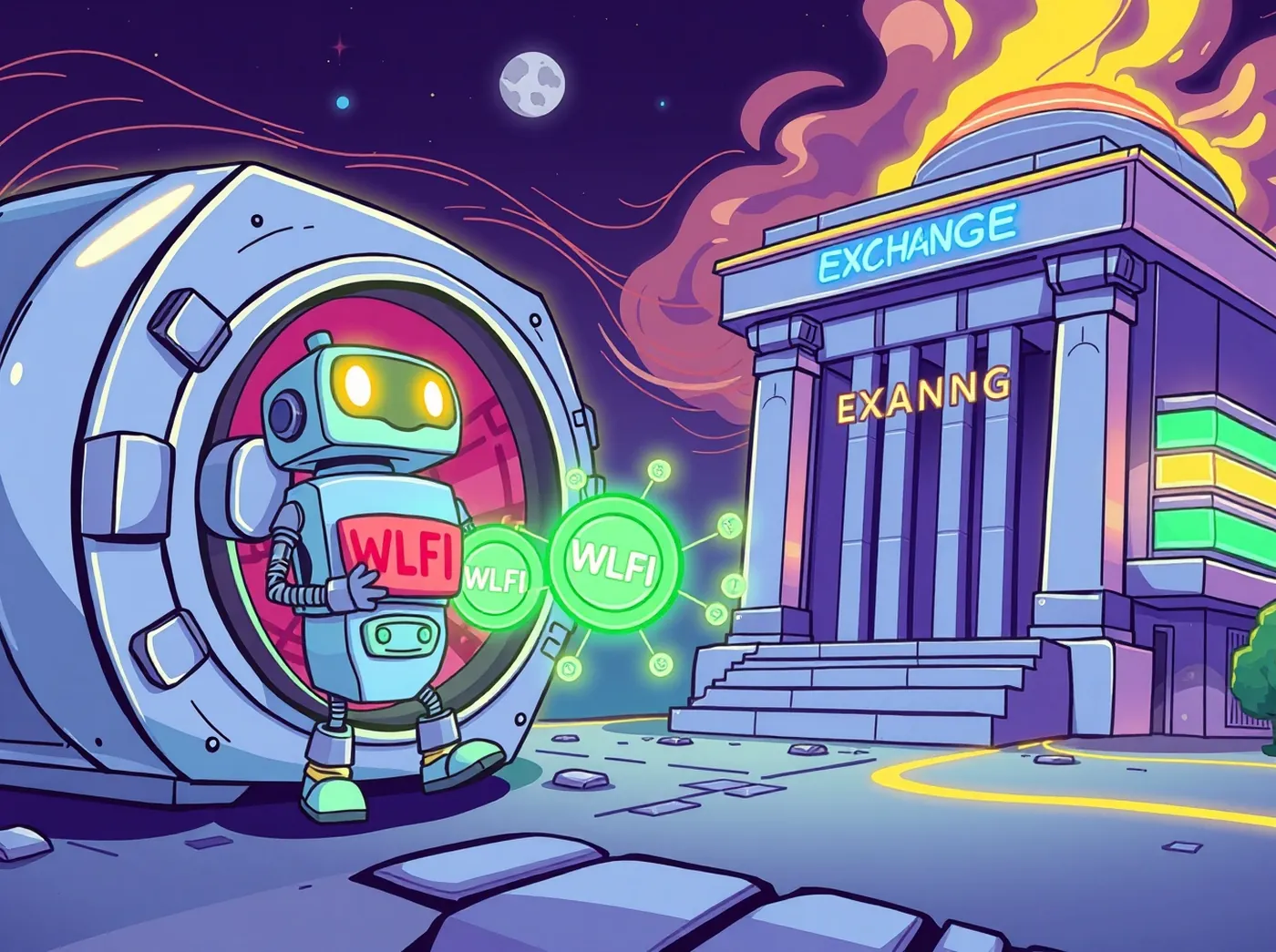
The WLFI deployer transferred 10 million WLFI tokens, valued at roughly $1.3M, to Binance in what on-chain observers flagged as a notable exchange deposit. Analyst ai_9684xtpa spotted this transaction, and blockchain records identify the deployer address by its 0x407 prefix. This move is described in reports as the deployer’s first major transfer to an exchange and has prompted discussion about liquidity and token management.
Quick summary
- Key fact: 10 million WLFI (~$1.3M) moved to Binance, observed on-chain.
- Attribution: the transfer was spotted by analyst ai_9684xtpa.
- Significance: this is the deployer’s first major exchange deposit from the 0x407 address.
Details of the transfer
The transfer originated from the WLFI deployer wallet, which is identifiable by the 0x407 prefix and is the address that initially deployed the WLFI token contract. The destination for the tokens was Binance, one of the world’s largest cryptocurrency exchanges, giving this deposit particular on-chain visibility. On-chain reporting described the movement as sizable and non-routine, noting that this is the first time this deployer has moved such a large amount to a trading platform.
Similar large wallet movements to Binance have drawn attention in other on-chain reports, underlining how exchange deposits can change market liquidity dynamics; for a recent example, see wallet withdrew 3,500 ETH. The original coverage of the WLFI deposit is available in the report linked below for readers who want the primary on-chain evidence.
Why the move matters
Binance’s size and liquidity mean a deposit of this scale may be functionally different from a transfer to a smaller venue; exchange custody can enable larger visible orderbooks and faster execution. Deployer addresses typically control initial token allocations and liquidity provisioning, so activity from such an address is often viewed as a strategic step in token distribution. The report notes the primary intention appears to be liquidity provision rather than immediate selling pressure, which frames the deposit as a possible structural move rather than an outright exit.
How WLFI $1.3M deposit affects price
This deposit creates a few possible market scenarios without asserting any single outcome. Increased exchange liquidity can, in some cases, improve price discovery and reduce short-term volatility; alternatively, large exchange deposits are sometimes interpreted variably by traders and may affect sentiment. The move may also precede other strategic actions, but available on-chain information alone does not confirm any specific follow-up.
What investors and miners should watch next
After this deposit, the key indicators to monitor are whether additional transfers from the same deployer follow, any official statements from the WLFI project about liquidity strategy, and trading volume and price action for WLFI on Binance once the deposit clears. Observing these signals together helps distinguish routine liquidity management from other strategic activity. Remember that on-chain transfers are one data point and should be combined with other sources when assessing market implications.
What to do? — Practical steps for miners (1–1,000 devices, Russia)
If you operate mining equipment and hold WLFI or track it as part of your portfolio, prioritize clear, low-effort monitoring steps that fit into daily operations. First, keep an eye on WLFI trading volume and orderbook changes on Binance; sudden volume shifts are easiest to spot and most relevant for execution. Second, follow on-chain alerts and the analyst who flagged the transfer, ai_9684xtpa, while waiting for any official project comments to avoid reacting to single transactions.
- Set a price/volume alert for WLFI on exchanges you use to avoid missing rapid moves.
- Check on-chain explorers like Etherscan for further movements from the 0x407 deployer address.
- Do not rely solely on this transfer for trading decisions—combine it with official updates and volume trends.
Track WLFI deployer on Etherscan
To verify on-chain details yourself, search blockchain explorers (for example Etherscan) using the 0x407 address prefix that identifies the WLFI deployer. Also monitor on-chain alert services and analyst posts that report large wallet moves, as these can provide quick notifications of follow-up transfers. For the original report of this deposit and its on-chain context, refer to the source coverage linked below and check the transaction directly on Etherscan if you want to review raw data.
For additional context on large Binance-related transfers, see the report on a major Binance transfer: 80,000 ETH transfer. Combining exchange tracking with on-chain checks provides the clearest view of what deployer movements mean in practice.
Conclusion
The WLFI deployer’s deposit of 10 million WLFI (about $1.3M) to Binance is a notable on-chain event, spotted by analyst ai_9684xtpa and executed from the 0x407 deployer address. Available reporting frames the action primarily as liquidity provision rather than an immediate sell signal, but miners and holders should monitor subsequent on-chain activity, exchange volume, and any project statements. Use Etherscan and the original report to verify details before making operational or trading decisions.
Original report: Revealing Move: WLFI Deployer Makes First Major $1.3M Deposit to Binance