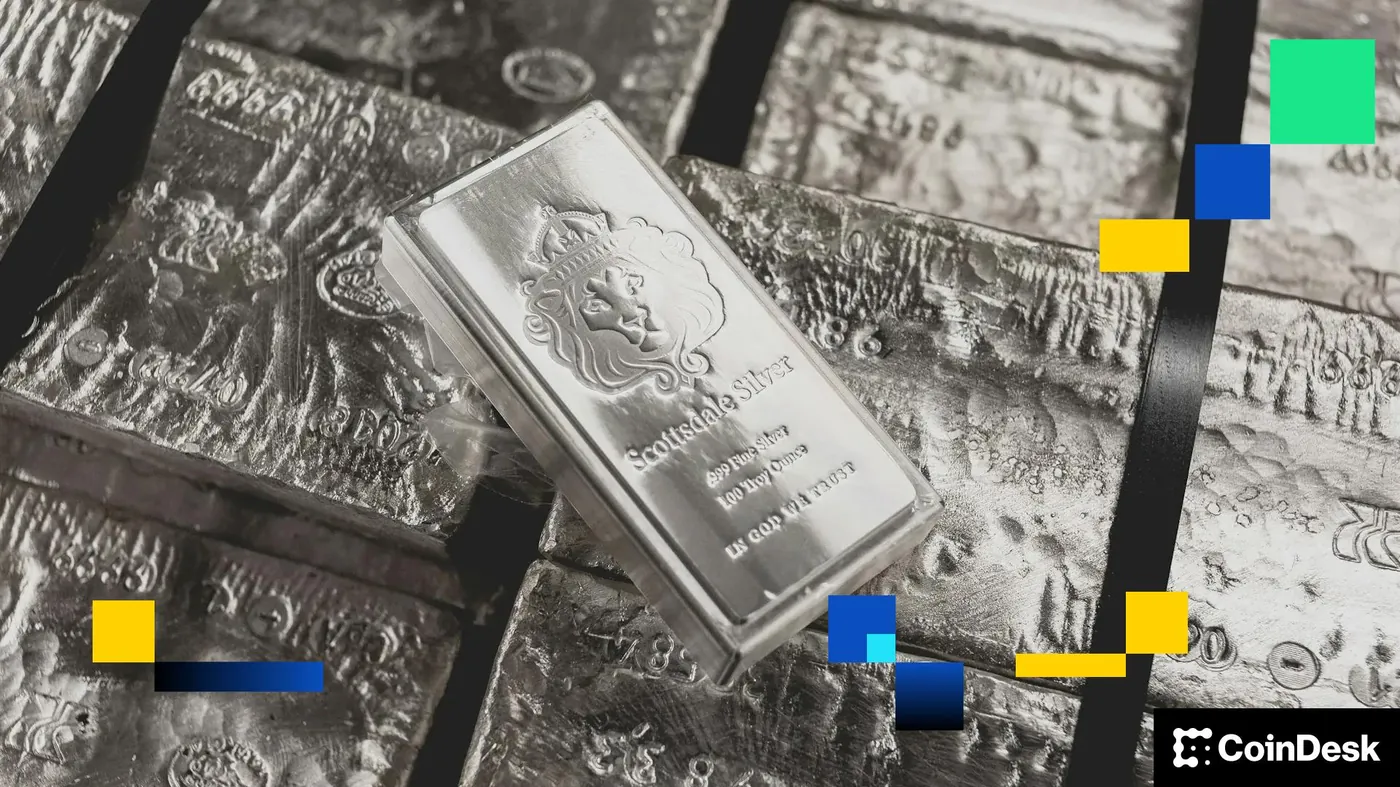
Interest in silver is shifting to the on-chain segment: according to RWA.xyz data, transfer volumes of the tokenized version of iShares Silver Trust (SLV) have surged sharply, alongside increased activity in futures and ETFs. Over the past 30 days, the monthly transfer volume of this tokenized version rose by more than 1,200%, while the number of holders increased by approximately 300%, and the asset's net value climbed nearly 40%. Meanwhile, the physical market shows signs of tension, with the metal price reaching about $80 per ounce and premiums observed in Asia relative to COMEX.
Growth in Tokenized Silver Trading Volumes
RWA.xyz data reflects simultaneous growth in activity and demand for on-chain versions of silver-linked funds. This concentrated interest is evident across key metrics — transfers, number of holders, and net asset value.
- Monthly transfer volume of tokenized SLV increased by over 1,200% in the last 30 days.
- The number of holders grew by approximately 300%.
- The token's net asset value rose nearly 40%.
The tokenized silver trust allows investors to mint, redeem, and transfer tokens around the clock, differing from traditional trading infrastructures. For many participants, this offers more flexible access and fractional positions unavailable in standard ETFs and futures.
Factors Influencing the Silver Market
The physical silver market is under pressure due to a combination of supply constraints and sustained structural demand. At a price near $80 per ounce, premiums are observed in Asia relative to COMEX, and the London futures market is in backwardation, indicating a short-term deficit; for more on recent price volatility, see the article on price volatility.
Additionally, China’s decision to introduce export licensing for refined silver heightens concerns over physical metal availability and may support prices in the near term. This is a key factor explaining the current redistributed demand and price anomalies; see the analysis on silver price growth.
Demand from the solar energy sector remains robust: documented silver consumption in photovoltaic panel production has barely decreased despite significant price increases. Together, these factors narrow the available physical metal volume in the market.
Asset Tokenization as a New Trend
Tokenization converts real assets — funds, real estate, commodities — into digital tokens on the blockchain, making them more divisible and potentially more liquid. In the case of tokenized SLV, this means non-U.S. investors can interact with the asset 24/7 through minting, redemption, and transfers.
For markets, this provides an alternative channel for trading and value transfer that can operate alongside traditional platforms. Tokenization does not eliminate traditional risks but expands the toolkit for accessing commodity inventories and funds.
Why This Matters
If you are a miner with 1–1,000 devices living in Russia, the direct connection between tokenized silver and your daily mining operations is usually weak: tokenization news does not change farm operations or energy consumption. However, the growing interest in tokenized commodities shows that the crypto ecosystem is expanding the range of financial instruments available to users.
For miners who hold part of their capital in digital assets or consider diversification, tokenized commodities can provide 24/7 market access and more flexible positions. Also, changes in the physical silver market (premiums, export restrictions) potentially affect the value of related tokens, so news about supply and licensing should be considered when managing portfolios.
What to Do?
- Assess whether you need exposure to silver: if you do not hold SLV tokens or physical silver, no direct action may be necessary.
- If considering tokenized assets — research the provider: verify custodial storage mechanisms, reserve transparency, and minting/redemption terms.
- Evaluate liquidity and fees: tokens may trade continuously, but volume and spread matter for entering and exiting positions.
- Monitor regulatory changes and silver supply news, including export licensing — these impact the physical market and related tokens.
- Diversify cautiously: allocate a small portion of capital to new instruments and do not replace your main operational liquidity with them.