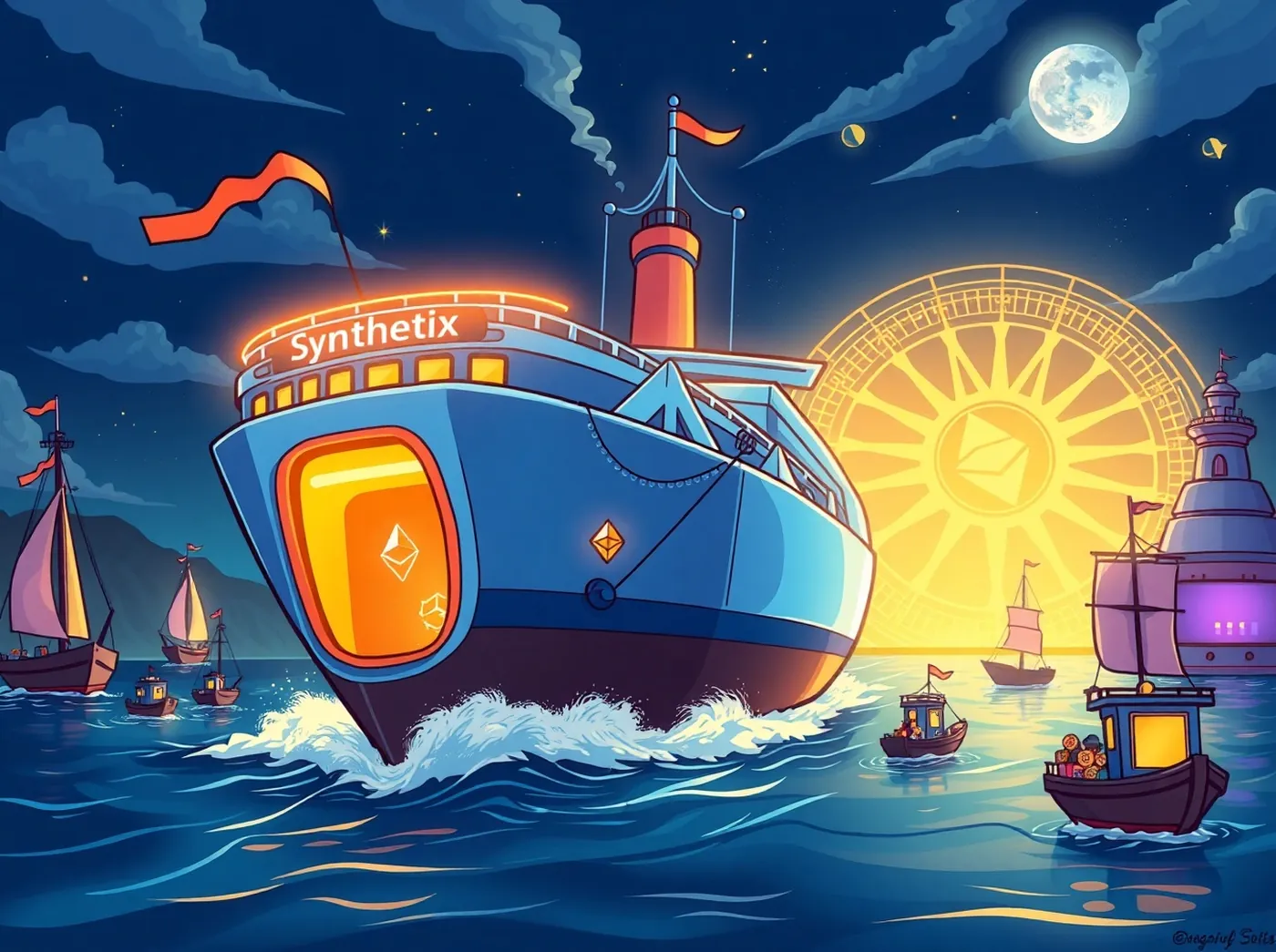
Synthetix has returned to Ethereum Mainnet — this is the key fact around which the article is built. We will explain what the project is in general terms, why returning to Mainnet is important for the DeFi ecosystem, and what practical conclusions users can draw from this.
What is Synthetix?
Synthetix is a project in the decentralized finance space, associated with derivatives and synthetic assets. Broadly speaking, such projects enable the creation of tokenized versions of assets and interaction with them within a blockchain environment.
Synthetix’s role in the DeFi ecosystem is usually linked to expanding the range of financial instruments and providing additional liquidity for users. If you’re interested in a broader picture of DeFi and its infrastructure, it’s useful to check out the article on what DeFi is, which provides general context.
Return to Ethereum Mainnet
The return of Synthetix to Ethereum Mainnet is the central event of this note. The very fact of returning means the project is operating again on Ethereum’s main network, rather than on alternative environments.
For users, this typically means access to the same addresses and infrastructure used by other applications in the Ethereum ecosystem, simplifying interaction with other protocols and wallets. Discussions about choosing blockchain platforms often compare different approaches, for example, why projects stay on Ethereum — see the article Why Ethereum is chosen.
DeFi Derivative Instruments
In DeFi, derivative instruments refer to financial products tied to the price of underlying assets but implemented as tokens and smart contracts. These instruments allow users to gain exposure to assets without owning them directly.
Synthetix is associated with using such mechanisms to create synthetic assets and expand the range of financial services in the blockchain environment. Practical use of these instruments varies depending on user needs and available services.
Development Prospects
Returning to the main network opens opportunities for the project to integrate more closely with the Ethereum ecosystem and services already operating there. However, development prospects will depend on decisions by the project team and community, as well as how interactions with other protocols evolve.
It is important to note: this article records the fact of the return and discusses general consequences without making predictions about the future. Specific plans and timelines are not provided here and require consulting official Synthetix sources.
Why It Matters
If you mine in Russia and manage from one to a thousand devices, the direct impact of this event on your hardware is usually minimal. The project’s return to Ethereum Mainnet does not change mining hardware requirements and does not automatically affect tariffs or electricity.
At the same time, miners should monitor overall network activity and changes in demand for transactions and services, as this affects network load and fees. Even if you do not interact with Synthetix directly, protocol integration into Mainnet shapes the ecosystem in which you operate.
What to Do?
Below is a brief checklist of useful actions for miners to stay informed and minimize risks. These steps are general and do not require hardware intervention.
- Check official Synthetix channels before performing operations or switching to new contracts — avoid suspicious links.
- Monitor Ethereum network status and fee dynamics to adjust operational costs and work planning.
- Update wallet and node software if you use them to ensure compatibility with Mainnet services.
- If you use third-party services for trading or staking, verify with providers whether they support Synthetix on Ethereum Mainnet.
These simple steps will help you stay informed and reduce the likelihood of technical and financial errors. For additional instructions on specific tools, refer to official guides or service support.