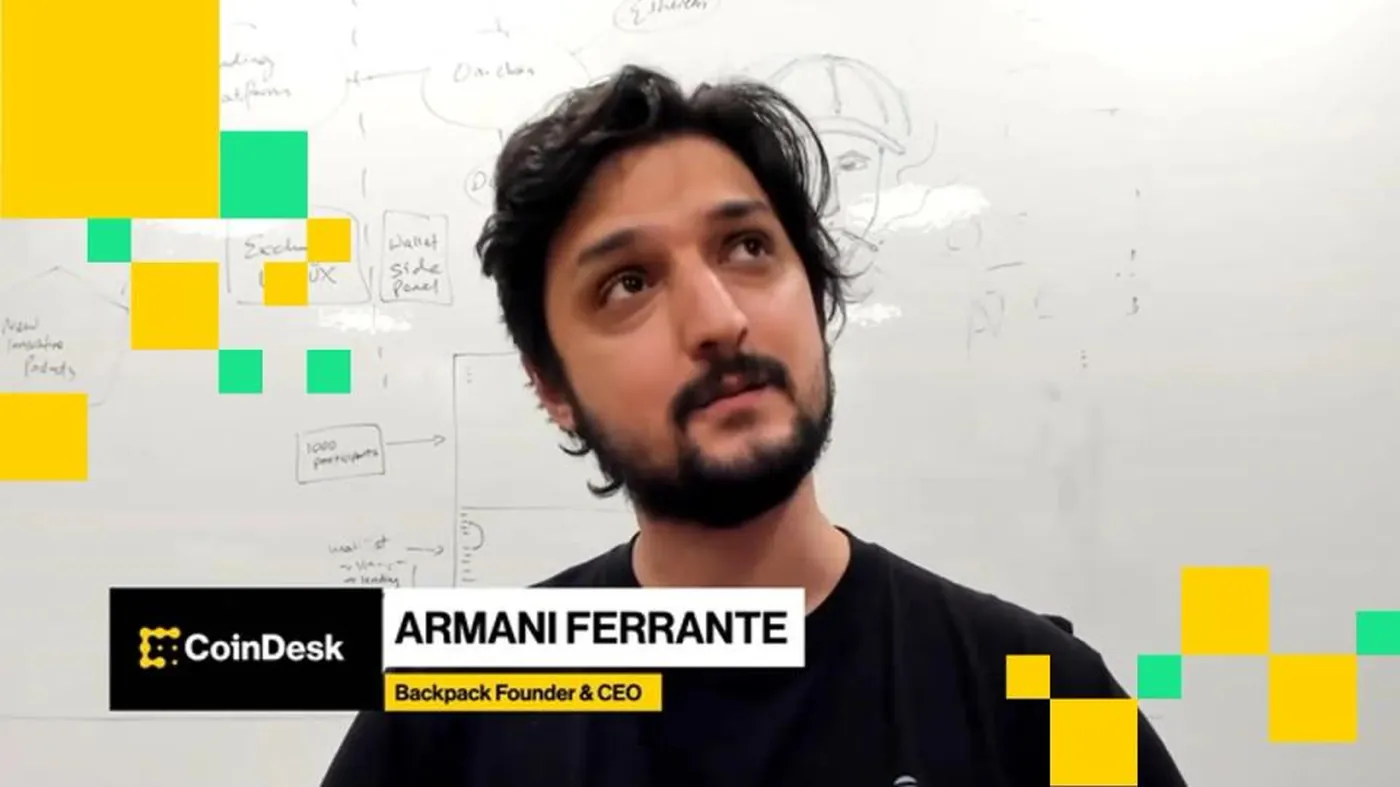
Solana’s ecosystem is moving away from the flashy era of memecoins and NFTs toward a steadier emphasis on financial infrastructure. Armani Ferrante, CEO of crypto exchange Backpack, told CoinDesk that the network has spent the past year refocusing on finance-related building blocks like trading, settlement and tokenization. Ferrante will be speaking at CoinDesk's Consensus Hong Kong conference, where he plans to discuss this shift and its implications.
Solana's Shift to Financial Infrastructure
The change in emphasis means developers and projects on Solana are prioritizing core financial functions rather than novelty tokens and games. After years of experimentation across NFTs, social tokens and play-to-earn projects, attention is increasingly directed toward decentralized finance, payments and onchain market mechanics. Ferrante framed that move as a mark of maturity: “People are really starting to think about blockchains as a new kind of financial infrastructure,” he said while describing the ecosystem’s new priorities.
That framing is part technical and part strategic, with the network described as building for high-throughput trading and improved settlement processes. The article notes Solana is positioning itself around onchain trading, market structure and settlement—what some call “internet capital markets.” For context on Solana's presence at industry events, see the coverage of Solana Accelerate at Consensus Hong Kong.
Institutional Interest and Market Sentiment
Ferrante contrasted subdued crypto prices and cautious crypto-native investors with a different mood on the institutional side, saying that interest from traditional finance has rarely been stronger. He summarized that sentiment plainly: “If you ask anyone on Wall Street, they’ve never been more bullish.” That institutional momentum is tied in the article to growing attention on tokenization, stablecoins and onchain settlement.
The piece links institutional interest to concrete building blocks rather than speculative activity, noting that tokenization and stablecoins are central to the conversations driving renewed focus. For additional reading on stablecoins and institutional outlooks, see the report on the role of stablecoins and market projections.
Regulatory Integration and Maturity
Ferrante emphasized that real-world adoption depends on deeper integration with regulatory frameworks, arguing that compliance and legal clarity are prerequisites for infrastructure to be widely used. He noted that maturity for blockchains means working with, not running from, the rules that govern traditional finance: “What maturity actually means is the real world,” he said.
The article presents Solana’s bet as building systems suited to regulated finance—standardized token records, settlement layers and clearer legal footing—rather than chasing short-term hype. This orientation frames tokenized assets as canonical ledger entries that can travel across platforms rather than remaining locked in siloed databases, an idea Ferrante summed up by calling a token “a canonical, agreed-upon ledger entry for who owns something.” For more on tokenization and coexistence with other chains, see the piece on tokenization and coexistence.
Solana vs. Ethereum in DeFi
The article does not present a detailed technical comparison but implies a shift in market roles: Solana leaning into high-throughput trading and settlement, while broader DeFi activity continues across multiple platforms. That dynamic is part of a wider conversation about how different blockchains can serve complementary functions within decentralized finance.
Readers are directed to broader coverage that explores how Solana and Ethereum are positioning themselves for the coming phase of DeFi, a topic the original story links to as additional context.
Why this matters
If you run mining hardware or small-scale infrastructure in Russia, this change does not automatically alter your day-to-day operations. The article describes a strategic shift toward financial use cases rather than a change in consensus mechanics or token issuance rules that would directly affect device setup.
At the same time, the ecosystem’s focus on trading, settlement and tokenization could change where developer attention and network activity concentrate over time, which may influence fee patterns, node software updates or integration needs. Ferrante’s comments underline that the move is about building durable financial rails, not short-lived hype.
What to do?
Even with no immediate actions required, miners and small operators can take a few practical steps to stay prepared and reduce risks. Keep your node and wallet software updated, follow news about network upgrades and monitor official channels for changes that could affect fees or transaction types.
- Subscribe to project and exchange announcements to catch protocol or settlement updates early.
- Maintain reliable backups for keys and configuration, and test restores periodically.
- Track regulatory guidance relevant to your operations and ensure local compliance when moving assets off-chain.
- Stay informed about ecosystem shifts—events and reports referenced in industry coverage can signal meaningful platform priorities.