On Oct. 10, 2026 a sudden market collapse wiped out leveraged positions across venues, producing roughly $19.16 billion in liquidations, including about $16 billion from long bets. The scale of the forced selling prompted a public dispute over causes, with OKX founder Star Xu blaming Ethena’s USDe yield campaigns and others pointing to macro headlines and embedded leverage. That disagreement has focused attention on how yield-bearing tokens and leverage interact during stressed markets.
The October 2026 Crypto Flash Crash and Its Causes
The initial market drop coincided with a fresh macro shock that rattled liquidity and spooked traders, and with leverage already stacked the decline quickly accelerated into a liquidation cascade. Across exchanges, forced selling fed on itself as liquidity evaporated and margin calls triggered more selling, producing the large total in wiped positions. Observers disagree on whether a single product or broad market dynamics were the main amplification mechanism.
OKX CEO Star Xu's Blame on Ethena's USDe
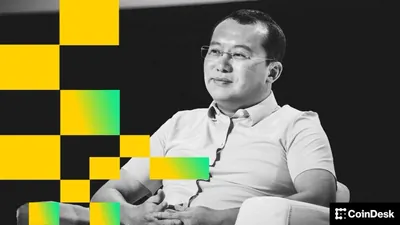
Star Xu framed the episode as the predictable failure of “irresponsible yield campaigns” built around USDe, which he describes as a yield-bearing token that generates returns through trading and hedging strategies rather than acting like a plain stablecoin. He argues that users were encouraged to swap stablecoins into USDe for attractive yields and then reuse USDe as collateral to borrow and re-enter the same loop, creating a self-reinforcing leverage machine. In Xu’s account, that embedded leverage made a routine drawdown far easier to turn into a cascading liquidation event and left broad damage across users and venues; he has said the sequence of events reinforces, rather than undermines, his view. For background on Xu’s broader concerns about custody and wallet risks, see Star Xu's wallet risks.
Critics' Counterarguments and Alternative Explanations
Not everyone accepts that USDe was the decisive factor. Dragonfly partner Haseeb Qureshi called the narrative of a single-token villain misleading, noting that liquidations occurred across exchanges while USDe’s price stress showed up only on Binance. That, he argued, suggests a market-wide leverage unwind driven by macro headlines rather than a token-specific contagion. Binance likewise attributed the flash crash to a macro-driven selloff colliding with heavy leverage and evaporating liquidity, rejecting the idea of a core trading-system failure; for related coverage, see Binance response.
Impact on Exchanges and Market Structure
The event highlighted how leverage and liquidity interact across venues: even if a token’s stress was venue-specific, the broader leverage environment turned initial losses into widespread liquidations. Exchanges and market participants are now facing renewed questions about how yield-bearing token structures, margin practices and liquidity provision behave under stress. The dispute also underlines that different participants may draw very different lessons from the same market event depending on which risks they focus on.
Why this matters
For a miner in Russia running from a single device to a modest farm, the episode is relevant mainly through market channels rather than mining operations themselves. If you convert mined coins to stablecoins or yield products, the interaction between leverage, liquidity and complex yield tokens can affect the value and liquidity of your holdings during stress. Even miners who do not use leverage can be affected indirectly: sharp price moves reduce selling liquidity and can make it harder to exit positions without incurring larger losses.
What to do?
- Avoid using yield-bearing tokens as collateral unless you fully understand their mechanics and the counterparty/liquidity risks involved.
- Keep a margin buffer: if you use leverage, maintain extra collateral to reduce the chance of forced liquidation during sudden moves.
- Diversify where you keep and trade funds across trusted venues to reduce venue-specific execution or liquidity risk.
- Monitor liquidity and price behavior for any non-standard stablecoins or yield products you hold; if a token shows stress on one venue, consider withdrawal or rebalancing options quickly.
- Limit automatic re-leveraging or circular yield strategies that roll borrowed funds back into the same product — these can amplify losses in volatile markets.