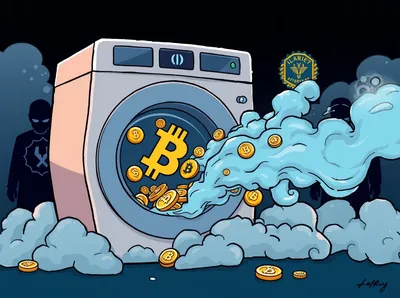
An accomplice in the IcomTech cryptocurrency fraud was sentenced to six years in prison. The report emphasizes that this involved a large-scale fraudulent scheme, though details about sums and mechanics are not provided. Below, we have compiled key facts about the case and brief practical recommendations for miners.
What is IcomTech?
IcomTech is mentioned in the report as a company involved in a cryptocurrency fraud investigation. Official details about its operations and corporate structure are not disclosed, so from the available text, it is clear only that the company is implicated in a major fraud case.
Details of the Fraud
How the Fraud Occurred
The source indicates there was an organized fraudulent scheme related to cryptocurrency, but specific operational schemes and technical steps are not described. Since the publication does not provide a detailed timeline, questions remain about the roles of individual participants and the mechanism for withdrawing funds.
Amounts and Scale of the Fraud
The report characterizes the crime as large-scale, but exact amounts and volumes are not specified. The text only indicates that the case was significant enough to warrant criminal prosecution and a prison sentence.
Consequences for Victims
Victims typically suffer financial losses and appeal to law enforcement for compensation. In some similar cases, funds have been recovered through court rulings and asset confiscation; see the example on cryptocurrency recovery, which describes such procedures.
Legal Proceedings
Investigation Process
The investigation led to charges and subsequent court proceedings. The published note mentions the conclusion of the trial phase for one accomplice, resulting in a verdict.
Verdict and Its Justification
The report states that an accomplice in the IcomTech fraud was sentenced to six years imprisonment. The text does not provide detailed reasoning or excerpts from the court decision, so we limit ourselves to this statement of fact.
Public and Expert Reactions
The publication does not include extensive public reactions or expert commentary on the IcomTech case. However, similar verdicts occur in other high-profile cases, such as in the Pump.fun case and international trials with major sentences, highlighting growing judicial activity in this area.
Why This Matters
For miners in Russia operating one or several hundred devices, news about cryptocurrency fraud verdicts is important even if the case does not directly involve them. It shows that law enforcement and courts hold participants in large schemes accountable, influencing the overall legal environment around cryptocurrencies.
How to Avoid Cryptocurrency Fraud
Signs of Fraudulent Schemes
Watch out for promises of high guaranteed profits, opaque management structures, and lack of verifiable information about the project team. Also be wary of schemes that rapidly recruit users and pressure deposits without verification options.
Safety Tips
- Verify the reputation of projects and participants through independent sources and blockchain checks.
- Do not transfer large sums to unverified platforms and use cold wallets for long-term storage.
- Keep keys in a secure place and enable two-factor authentication wherever possible.
Resources to Verify Project Reliability
Before investing, look for public court decisions, news about asset confiscations, and materials on similar cases in specialized publications. It is helpful to compare situations with examples of fund recovery in other cases and monitor high-profile verdicts like the Do Kwon verdict to understand law enforcement practices.
What to Do?
If you mine with a small or medium-sized setup, follow basic safety rules and avoid unverified schemes. At the first suspicion of fraud, document communications and transactions — this will simplify reporting to law enforcement and potential lawsuits.
- Check platforms before transferring funds: look for documents, contacts, and reviews.
- Diversify assets: do not keep everything in one place and use cold wallets.
- If you are a victim, preserve all evidence, consult a lawyer, and study fund recovery practices described in specialized materials.