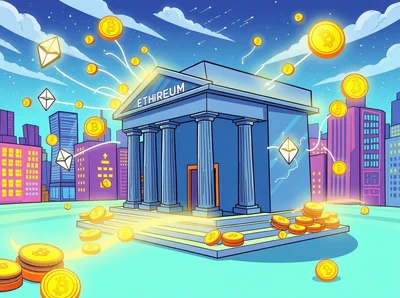
DBS Bank received 3,000 ETH — this is the statement from the source. This is the key fact around which all available coverage is based, but the publication does not provide additional information about the reasons or terms of the transfer.
What happened?
The announcement states that DBS Bank received 3,000 ETH. The text does not include details on whether this was a purchase, a client transfer, or another type of operation, so the fact itself remains the only documented information.
Context and significance
Receiving cryptocurrency in such a substantial amount can be seen as an example of a traditional bank interacting with blockchain assets; however, the source does not explain the bank's motives or future plans. To better understand the context, it makes sense to compare this with similar reports of large ETH transfers, such as the 3,000 ETH deposit article, which examines the implications of such operations in detail.
Market reaction
The original message contains no data on market reaction or expert quotes, so it is impossible to assess the impact of this news on prices or investor sentiment based solely on it. For readers seeking timely information on market activity and related insights, it is useful to also review other materials, such as the note on ETH withdrawals by DBS Bank, which discusses associated transactions.
Why it matters
For miners with 1–1000 devices, the key point is that the source confirms the receipt of 3,000 ETH but does not indicate any direct operational consequences for mining. This means you do not need to change farm settings or infrastructure based solely on this news.
Nevertheless, such reports reflect banks’ attention to cryptocurrency operations, which can be useful to monitor for understanding the development of services and platforms that miners and asset holders interact with.
What to do?
- Follow official updates: check subsequent news releases and bank statements to avoid missing clarifications about the deal.
- Keep operational records: document your transactions and statements for accounting and taxation if you transfer or sell mined ETH.
- Maintain security: regularly check wallets and keys, use hardware wallets or trusted exchanges to store large amounts.
- Evaluate liquidity and fees: plan withdrawals and exchanges considering fees and buyer availability on chosen platforms.
- Subscribe to specialized sources and analytics to promptly receive relevant explanations and assessments of major transfers.