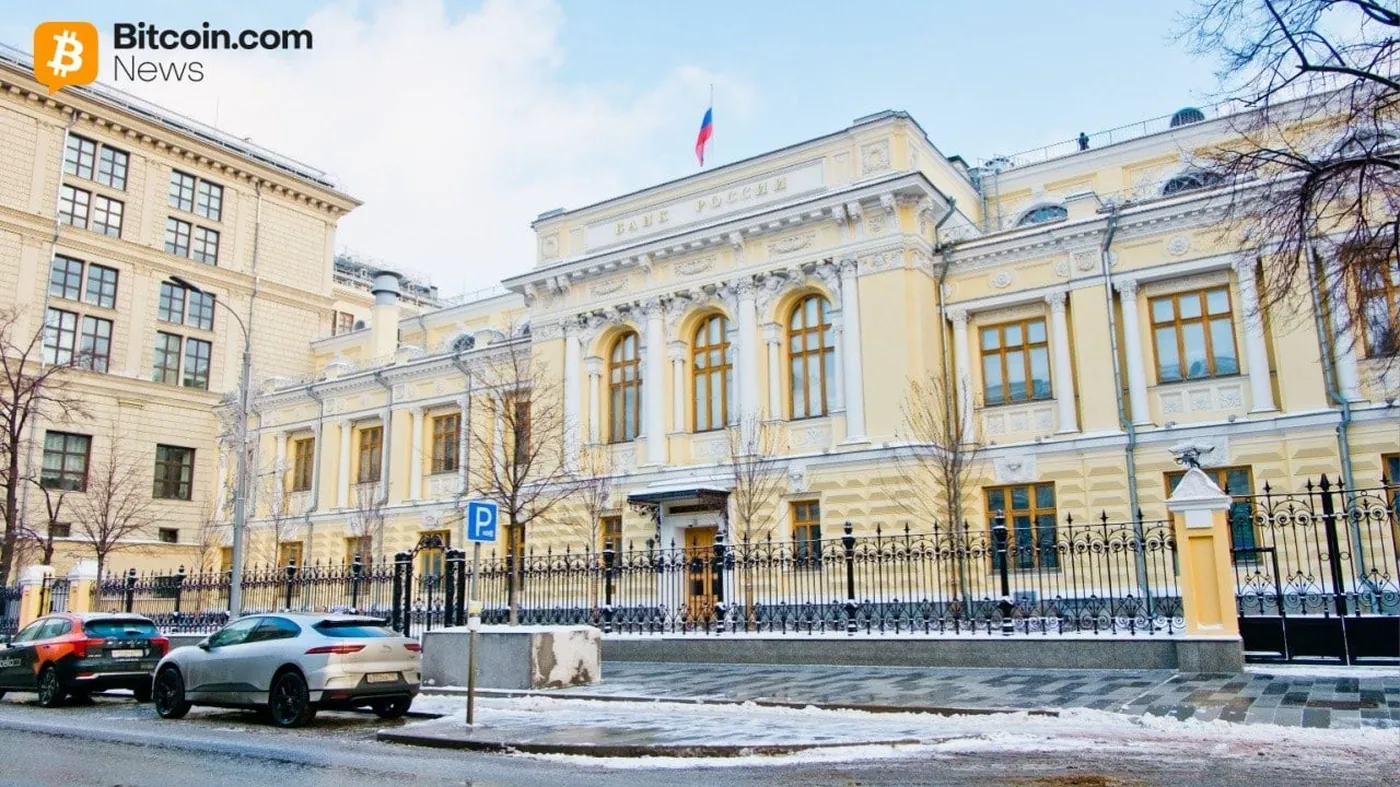
The Bank of Russia announced a regulatory framework that divides investors into qualified and non-qualified categories, imposing different trading rules for crypto assets. The framework sets limits for non-qualified investors while removing volume restrictions for qualified investors, maintaining a ban on anonymous tokens.
New Rules for Investors
Restrictions for Non-Qualified Investors
According to the Central Bank's proposal, non-qualified investors will be allowed to purchase crypto assets, but their transactions will be limited to 300,000 rubles per year, contingent on passing a risk-awareness test. This limit applies to purchases through intermediaries and acts as an annual cap after confirming understanding of the risks.
Rules for Qualified Investors
Qualified investors will be permitted to trade any crypto assets without volume restrictions, except for anonymous tokens. Achieving this status also requires passing a risk comprehension test, after which trading volume limits are lifted.
Ban on Anonymous Tokens
The proposed framework explicitly excludes anonymous tokens: their circulation will be limited for qualified investors and completely inaccessible to non-qualified investors. This rule relates to the nature of tokens that conceal recipient information in transactions.
Classification of Cryptocurrencies
The Bank of Russia proposes classifying digital currencies and stablecoins as "monetary assets," formally permitting their purchase and sale on the market. However, the framework prohibits using these assets as a means of domestic payments, reflecting restrictions on internal settlements.
The restriction on domestic payments aligns with other initiatives aimed at regulating cryptocurrency circulation and has practical implications for businesses and private users. More details on the ban on cryptocurrency payments can be found in the review Russia bans cryptocurrency payments.
Licensing and Reporting
The framework outlines licensing requirements for crypto exchanges, brokers, and custodians, signaling stricter oversight of market intermediaries. Licensing aims to formalize platform activities and enhance transparency in digital asset operations.
Reporting obligations are also planned: residents must notify tax authorities when purchasing cryptocurrency abroad or transferring assets overseas. These requirements address cross-border operations and improve control over crypto asset flows.
More detailed explanations of the framework and specific regulatory provisions are available in the article Cryptocurrency Regulation in Russia, which compiles key elements of the Central Bank's proposal.
Implementation Timeline
The document states that the legal framework should be finalized by July 1, 2026, after which the updated regulations will come into effect. This provides market participants time to prepare for new requirements and organize their documentation and processes.
The framework also foresees initiating measures against illegal intermediaries starting July 1, 2027, indicating a gradual tightening of control over platforms and services operating without proper authorization.
Why This Matters
For miners operating from one to a thousand devices, the change in cryptocurrency status to "monetary assets" means that coins will remain tradeable but cannot be used for domestic settlements. This does not prohibit mining as an activity but alters the rules for handling mined assets in the market.
Limits and testing for non-qualified investors affect those buying cryptocurrency as an investment: if you plan regular purchases through exchanges, the annual 300,000 ₽ limit and testing requirement are important factors when choosing intermediaries. Additionally, the obligation to notify tax authorities of foreign transactions applies to private miners if they buy or transfer assets via foreign services.
What to Do?
Check whether the exchanges and brokers you use are licensed and prepared to handle required reporting; this reduces the risk of issues with regulators. If you use foreign platforms, prepare documentation for tax notifications in advance and keep transaction histories.
If you plan to increase trading volumes or remove annual limits, clarify risk-awareness testing conditions with intermediaries, since passing the test is required to expand trading rights. Miners should also follow specialized guidance on mining and legalizing activities, such as the overview on new mining regulations mining legalization, to understand related requirements.
Keep records of cryptocurrency sales and transfers—they will be needed for tax notifications and potential audits. Maintaining accurate bookkeeping and supporting documents will help comply with new rules and avoid regulator claims.