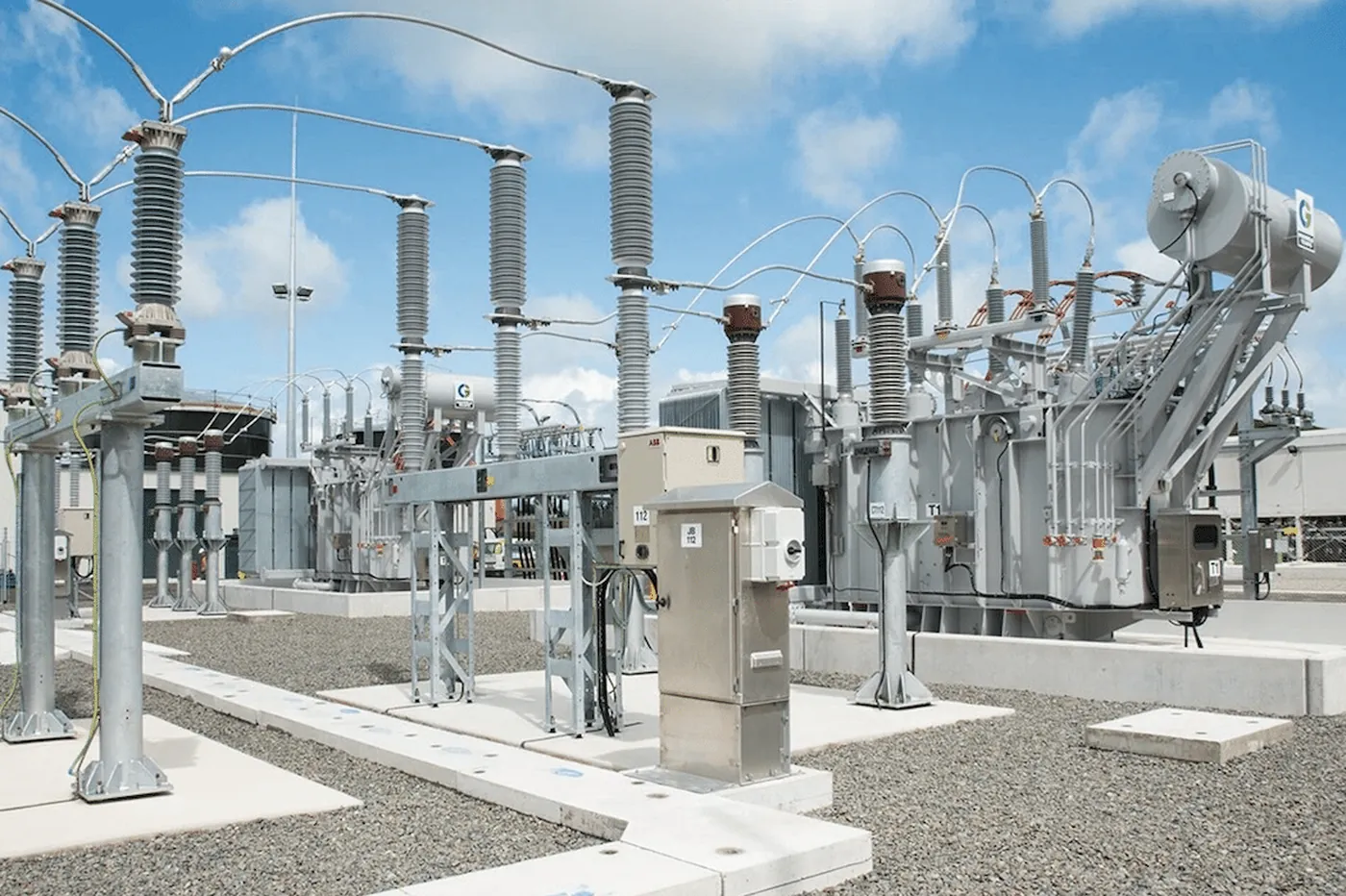
Peaker power plants, once considered temporary reserves, have become highly sought after again. In the PJM region, about 60% of oil, gas, and coal plants that planned to shut down have postponed or canceled those plans, with most of the saved capacity coming from peaker units. This shift is driven by rising grid loads, including from data centers and AI workloads, pushing the power market to rely more on reserve plants.
Revival of Peaker Power Plants
Reasons for Canceling Peaker Plant Closures
The main driver is increased demand for peak power: grid operators are more frequently dispatching these units when economically justified. As a result, in PJM, 11 of 13 plants avoiding retirement are peakers, reflecting the need for quick, affordable megawatts. At the same time, postponing closures aligns with the fact that new generation and transmission projects require significantly longer construction times.
The Role of AI in Increasing Electricity Demand
Loads from data centers and HPC tasks related to AI raise peak demand and reshape regional power markets, especially in areas with intensive data center growth. In Texas and PJM, rising data center interconnection requests are prompting operators to seek additional resources to ensure grid reliability. More on AI's impact on Texas's power system can be found in the article AI Boom in Texas, which discusses similar load scenarios.
Economic Benefits of Using Peaker Plants
Despite lower lifespan and higher emissions, peaker units remain economically viable where peak-hour prices rise sufficiently high. For example, NRG Energy decided to keep Chicago's Fisk plant operational after reassessing its economics, highlighting that older facilities can generate revenue until new infrastructure arrives. However, maintaining such capacity also entails social and environmental costs for local communities.
Bitcoin Mining and Peaker Power Plants
Examples of Using Peaker Plants for Mining
Miners and data center operators increasingly view peaker plants as sources of flexible power that can be turned on as needed. Cipher Mining launched a 200 MW site in Ohio directly connected to PJM, demonstrating miners' interest in such resources for load distribution and market access. Similar approaches are described in industry reviews on using reserve capacity for high-intensity computing.
Cipher Mining and Bitfarms in PJM
Cipher Mining connected 200 MW in Ohio, while Bitfarms entered PJM by acquiring Stronghold assets in Pennsylvania, gaining not only network access but also generating capacity. These deals show commercial miners seeking tight integration with local energy sources to manage supply and price risks. For broader context on miners' and AI strategies, see the article Mining and AI.
Impact on the Mining Market
Availability of affordable peak power and integration with local generators are changing mining economics: affecting margins, power availability, and equipment placement requirements. Equipment markets also reflect shifts: Bitmain reduced ASIC miner prices amid hash price pressure, while asset deals and infrastructure consolidation continue, including Northern Data's mining division acquisition by interests linked to Tether.
Regulatory News
Rules for AI Data Centers and Regulator Actions
Regulators and grid operators are adjusting rules and tariffs in response to large power consumer applications, including data centers. The US Energy Regulator required PJM to clarify rules for AI data center co-location, affecting interconnection procedures and tariff calculations. These changes are important for market participants planning large interconnections and seeking clarity on grid interaction; see details here: clarify PJM tariffs.
Growth of Capacity From and For Data Centers
Regulatory approvals for adding new capacity, including decisions to increase data center throughput, are shifting supply-demand balances in regional power markets. In one region, the operator received approval to add significant capacity specifically in response to data center requests, intensifying competition for available interconnection points and peak grid hours.
Equipment and Infrastructure News
Major Deals and Site Leasing
Industry deals for colocation and leasing reflect companies' drive to scale rapidly: WhiteFiber signed a long-term colocation agreement, Bitdeer leased a facility in Nevada to expand production, and Cipher opened a site in Ohio for HPC workloads. These moves indicate infrastructure players and miners seeking options both for grid access and own generation capacity.
Equipment Price Trends
Under hash price pressure, equipment manufacturers are adjusting prices: Bitmain lowered ASIC miner prices, reflecting current supply-demand conditions in mining hardware. For miners, this offers opportunities to upgrade fleets but also increases pressure on the economics of existing farms.
Financial News
Mining Activity and Its Interpretation
Some market participants, including VanEck, view declining mining activity as a potentially bullish signal for Bitcoin's price.