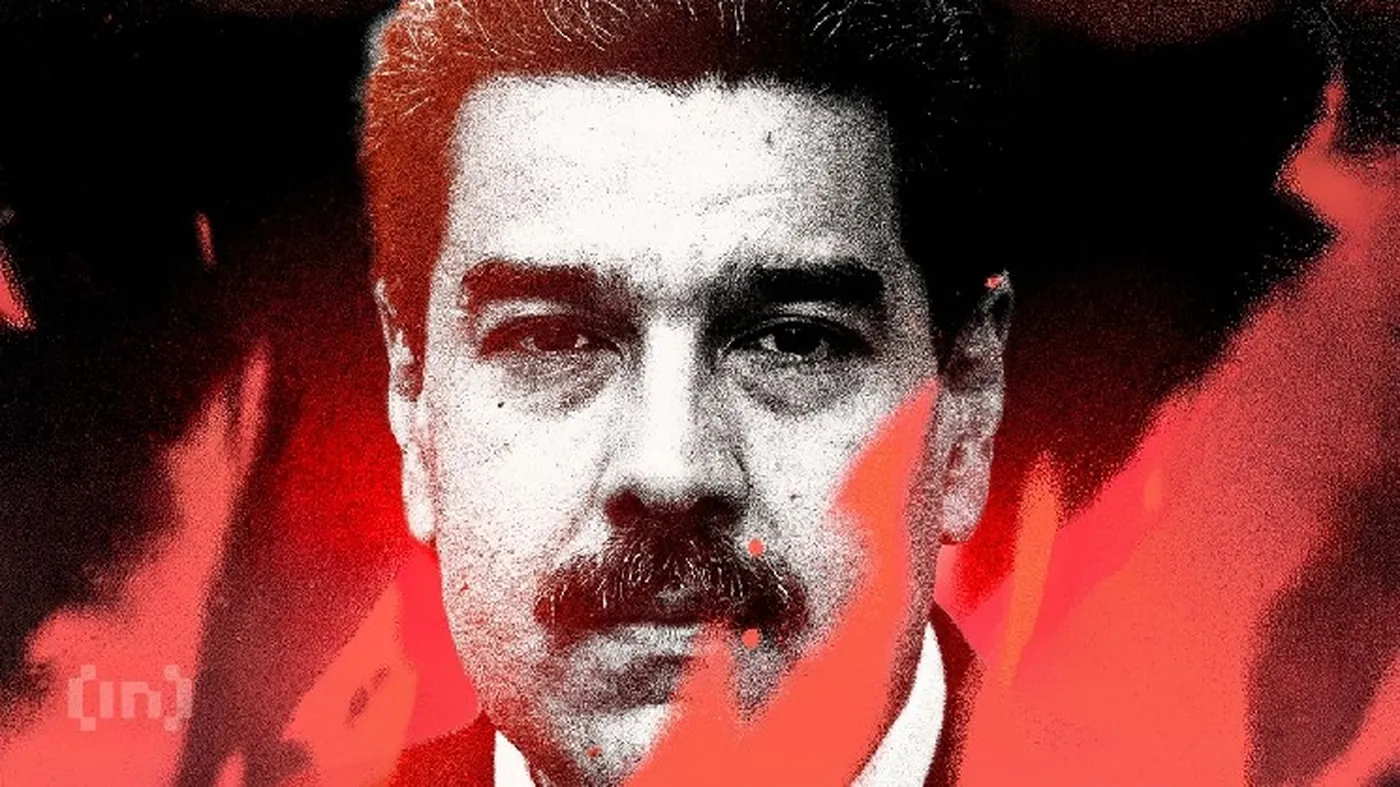
In early January 2026, the US conducted a special operation in Venezuela resulting in the arrest of President Nicolas Maduro and his wife Cilia Flores. Both were transported to the US and charged with drug trafficking, illegal arms dealing, and money laundering; US authorities describe this as a law enforcement operation. In the crypto community, the main question following the arrests is how many bitcoins Maduro's regime held and which of those coins might come under US control.
US Special Operation in Venezuela
The operation ended with the arrest of Maduro and his wife, who were subsequently charged with the listed offenses under US jurisdiction. Washington's official stance is that this is not a war but a law enforcement action, though this assessment has not been universally accepted outside the US. These events sparked discussions about the fate of the regime's assets, including cryptocurrencies.
Venezuela's Bitcoin Reserves
According to public on-chain trackers, the confirmed Bitcoin balance associated with Venezuela is about 240 BTC, which at current prices equals roughly $22.11 million. This is the only figure that can be directly verified on the blockchain and differs significantly from larger claims circulating off-chain.
Within the crypto community, unconfirmed rumors are actively discussed about a "shadow" reserve of up to 600,000 BTC; sources for these claims include the analytical newsletter Whale Hunting and HUMINT reports. However, no addresses, key ownership proofs, or on-chain confirmations have been found to support these volumes, so such estimates should be treated as unverified. For critique and analysis of such rumors, see for example the criticism of rumors within the crypto community.
US Treasury Plans Regarding Bitcoins
In August 2025, the US Treasury Secretary stated that the strategic Bitcoin reserve would not be replenished through market purchases but formed from confiscated coins. This is a key point of official policy that previously triggered market reactions and industry discussions. Existing US government holdings have been acquired through confiscations; currently, the US controls 198,012 BTC, which is less than 1% of Bitcoin's total supply.
Potential Consequences of Confiscation
If large assets from Maduro's regime come under US control and are added to the national crypto reserve, the share of BTC controlled by the US could theoretically increase — the source text estimates up to about 4% of total supply. This hypothetical calculation compares the possible size of US reserves with the holdings of the largest market players; for example, the iShares Bitcoin Trust (BlackRock) is noted in the text as holding about 3.67%.
Discussions about large and unconfirmed volumes increase interest in the topic and lead to verification of sources and on-chain addresses. At the same time, attention from regulators and the media remains a significant factor for the ongoing developments and the legal and technical procedures that will apply to confiscated coins.
Why This Matters
For miners in Russia with any number of devices (from one to a thousand), the key facts are: Venezuela's confirmed balance is about 240 BTC, and the US Treasury's statements establish a strategy to replenish reserves through confiscations rather than purchases. Even if rumors of hundreds of thousands of BTC are false, the topic raises awareness about state seizures and the legal context of crypto asset handling.
In practice, this means market participants and miners may increasingly encounter news about large confiscations, address audits, and legal initiatives; such events influence the overall agenda and the level of attention from regulators and service providers. Follow relevant materials, including analysis of the conflict's impact on Bitcoin price, to understand the broader context of Bitcoin price influence.
What to Do?
Below are practical and concrete steps for miners to help reduce operational and legal risks amid heightened scrutiny of crypto assets. These recommendations do not require adding new facts but are based on general caution and source verification.
- Monitor addresses and on-chain data: verify which addresses are mentioned in official statements and public trackers.
- Maintain compliance: keep documentation proving the legal origin of mining capacity and income to have evidence of lawful operations during audits.
- Manage liquidity carefully: keep some funds on trusted platforms and controlled wallets, plan withdrawals considering potential regulator attention.
- Update operational processes: minimize single points of failure in key management, use reliable storage and backup methods.
- Follow verified sources and rumor analyses: critically evaluate unconfirmed claims about large reserves and rely on on-chain data.
These steps will help maintain operational resilience and respond more quickly to official requests or changes in the legal environment without relying on unverified rumors. It is important to combine technical hygiene with attention to official statements and verified on-chain data.