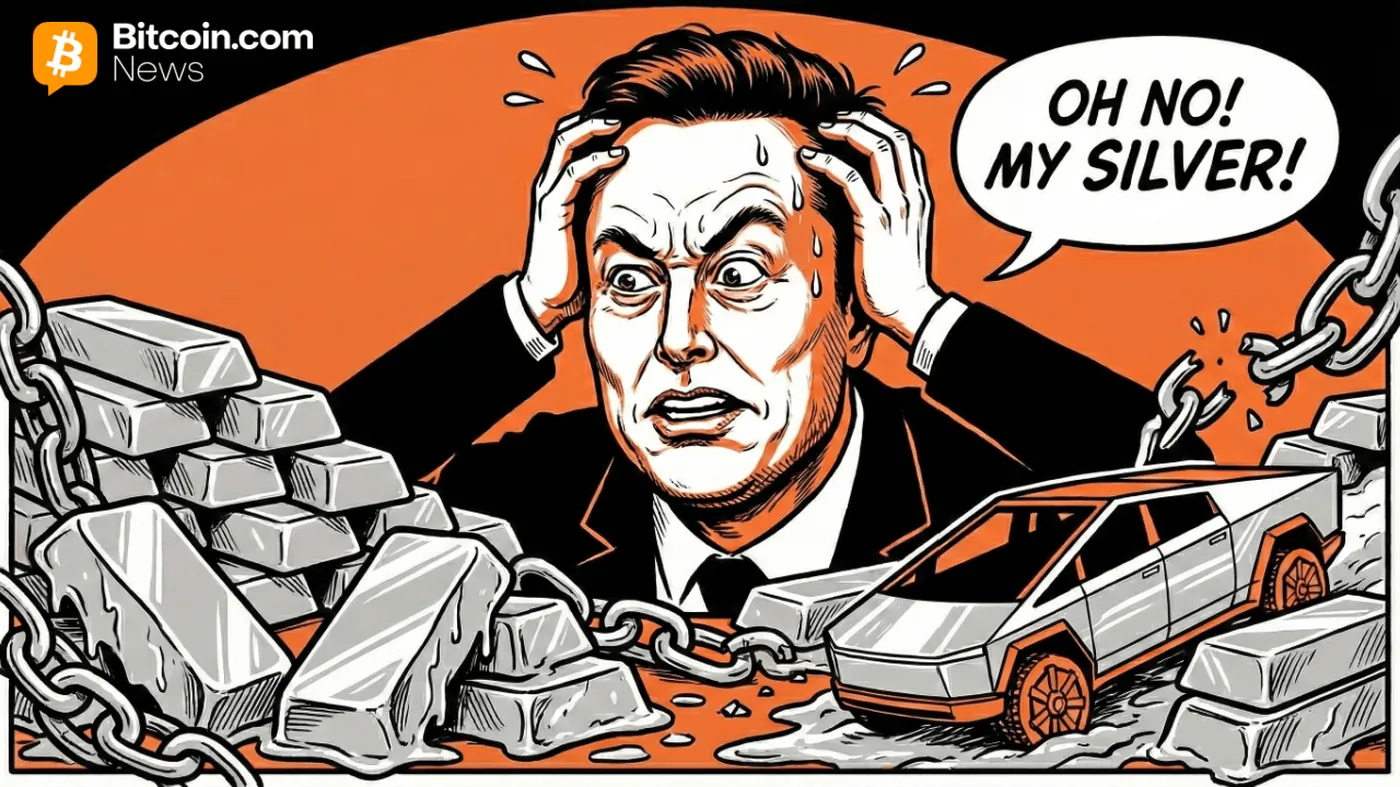
China is imposing restrictions on silver exports: starting January 1, 2026, companies will need to obtain licenses and government approval to export this metal. Elon Musk publicly expressed concern over these measures, noting that "silver is essential in many industrial processes." At the same time, it is important to remember that China is the world's second-largest silver producer, with production reaching 110.1 million ounces in 2024.
New Restrictions on Silver Exports from China
The rules require companies exporting silver to obtain licenses and government approval. These measures aim to control the movement of the metal abroad and will affect the trade flow of silver from China.
These restrictions are expected to impact the global silver supply, as Chinese shipments will now undergo additional administrative oversight. This increased focus on exports makes monitoring supply and logistics crucial for all participants in the supply chain.
Elon Musk's Reaction to the Restrictions
Elon Musk directly expressed concern about the restrictions, writing that the situation is "not good" and reminding everyone of silver's important role in industry. His comment highlights potential challenges for companies that rely on this metal in their manufacturing processes.
This reaction is especially relevant for industrial firms, including automotive and manufacturing companies, which may need to plan supplies and spare materials in case of changes in silver availability.
Silver Production in China
China ranks second in the world for silver mining, behind only Mexico. According to The Silver Institute, China produced 110.1 million ounces in 2024.
The high production volume explains why changes in China's export policy attract international attention and may affect global supply chains.
Impact of Restrictions on US Industry
In November, the US Geological Survey added silver to the list of critical minerals, emphasizing its importance to American industry. Inclusion on this list signals that access to strategic materials is a key focus of policy and industrial planning.
Export restrictions from a major producer could create additional challenges for US companies, especially in sectors where silver is used in batteries and automotive manufacturing.
Why This Matters
If you are involved in mining or equipment maintenance, changes in silver supply could indirectly affect the availability and cost of components that use this metal. While the restriction targets exports specifically, its effects will ripple through the entire supply chain, including electronics and component manufacturing.
Keeping an eye on the market becomes more valuable: information about prices and trends will help make informed decisions on purchasing and inventory. For example, it is useful to study regional price dynamics and analytical reports, such as data on Shanghai silver prices and explanations for the silver price increase.
What to Do?
Practical steps for miners with 1–1000 devices: check your stock of critical spare parts and components that may contain silver, and consider increasing inventory reserves. This will help avoid downtime during supply delays or changes in delivery schedules from suppliers.
Also, establish communication with current suppliers to clarify delivery timelines and conditions, and explore alternative sources for components. Finally, stay updated on news and market analysis for silver and price forecasts to respond promptly to changes — see the price forecast overview.