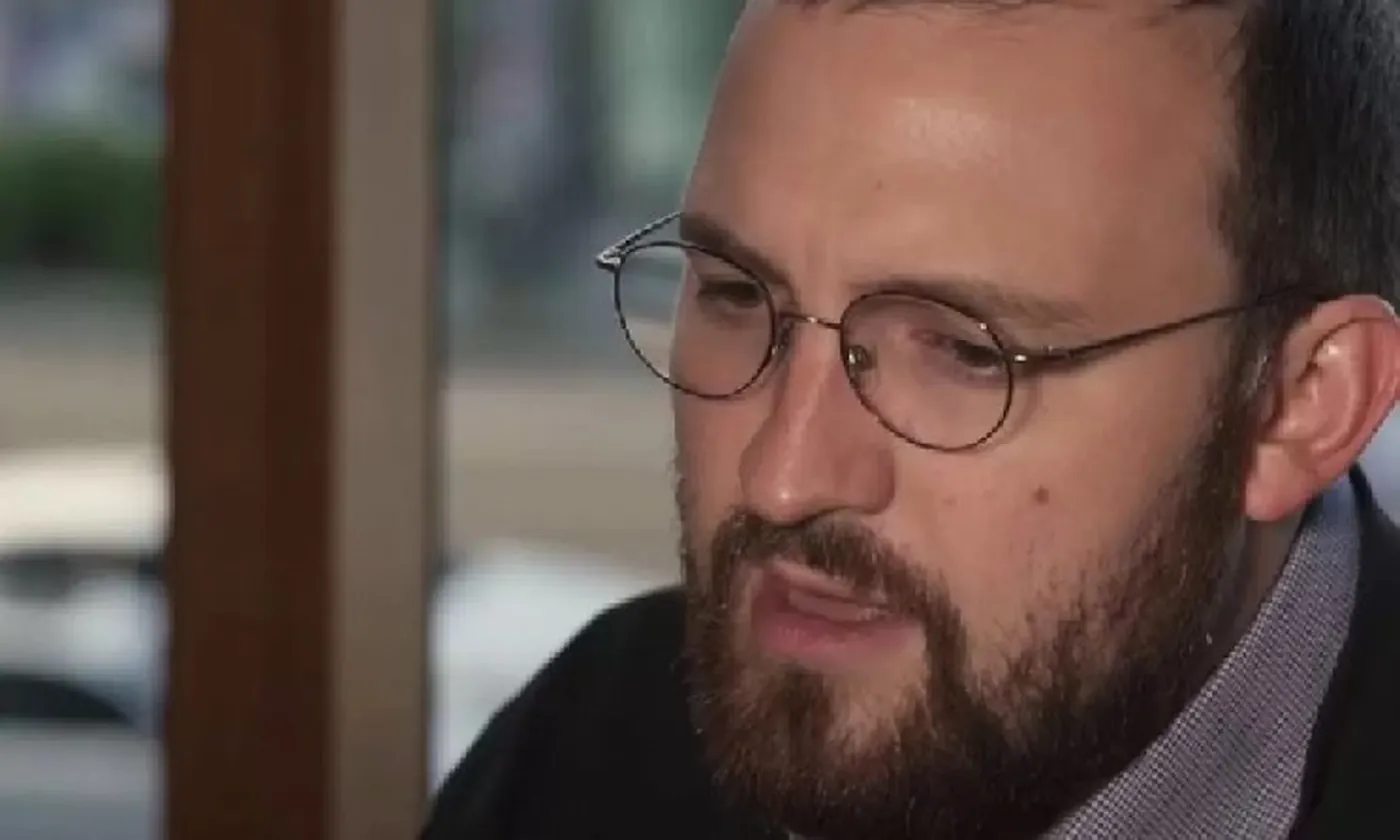
Cardano founder Charles Hoskinson once again addressed blockchain infrastructure and asset tokenization, commenting on recent moves by traditional financial organizations. He explicitly stated that XRP is "genuine," and platforms like XRP and Cardano were originally designed to handle tokenization at the scale of real assets. Hoskinson also highlighted the goal of a real asset market with earning potential of $10 trillion and criticized financial institutions' attempts to recreate existing solutions.
Charles Hoskinson's Statements on XRP and Cardano
Hoskinson called XRP "genuine" and emphasized that such networks and their communities are difficult to artificially replicate. He stated that projects like XRP and Cardano are initially focused on large real asset markets and directly pointed to a $10 trillion target. At the same time, he criticized traditional financial organizations for trying to build similar systems without considering the unique properties of Web3 and existing ecosystems.
If you want to better understand Cardano's development direction, it's worth checking out materials on the future of Cardano, where architectural and community aspects Hoskinson mentioned are discussed. Similarly, for context on XRP, a comprehensive article about the XRP cryptocurrency, its positions, and market perception is useful.
Canton Coin Price Growth
Hoskinson's comments came amid notable market movement for Canton Coin: over the past week, its price increased by about 20%. The article notes that this growth was linked to news about institutional infrastructure rather than general cryptocurrency market trends.
DTCC's Plans for Securities Tokenization
DTCC announced its intention to explore the possibility of tokenizing some U.S. Treasury securities on the Canton network. The statement notes that the initial focus will be on securities held at the Depository Trust Company division, aiming to understand how tokenization can function within existing market structures.
DTCC's leadership describes this work as a long-term plan that could eventually extend to other regulated assets, explaining institutional interest in infrastructure projects.
Competition Between Traditional Finance and Web3
The article emphasizes that traditional finance is trying to adapt blockchain to existing systems, whereas, according to Hoskinson, networks like XRP and Cardano were designed from the start for global tokenization. As interest in real assets grows, competition may shift from product offerings to a battle for infrastructure control.
Why This Matters
For miners with 1–1000 devices in Russia, this news primarily signals the development of tokenization infrastructure rather than changes in mining itself. It concerns financial instruments and platform infrastructure, so there is currently no direct impact on algorithms or hardware requirements.
Nevertheless, institutional attention and DTCC announcements increase interest in related networks and projects, which may indirectly affect market liquidity and activity. To respond promptly, it is useful to monitor further announcements about integration and partnerships.
What to Do?
- Follow infrastructure news and regulatory statements—they shape the industry's direction even if they don't directly affect mining.
- Manage operating costs: review electricity rates and equipment operation modes to maintain margins amid market changes.
- Keep miners' software and firmware up to date to avoid downtime and maintain performance.
- Maintain a cash reserve to cover unexpected market fluctuations and potential liquidity changes.
- If interested in tokenization as a field, study specialized resources and technology reviews to assess potential long-term risks and opportunities.