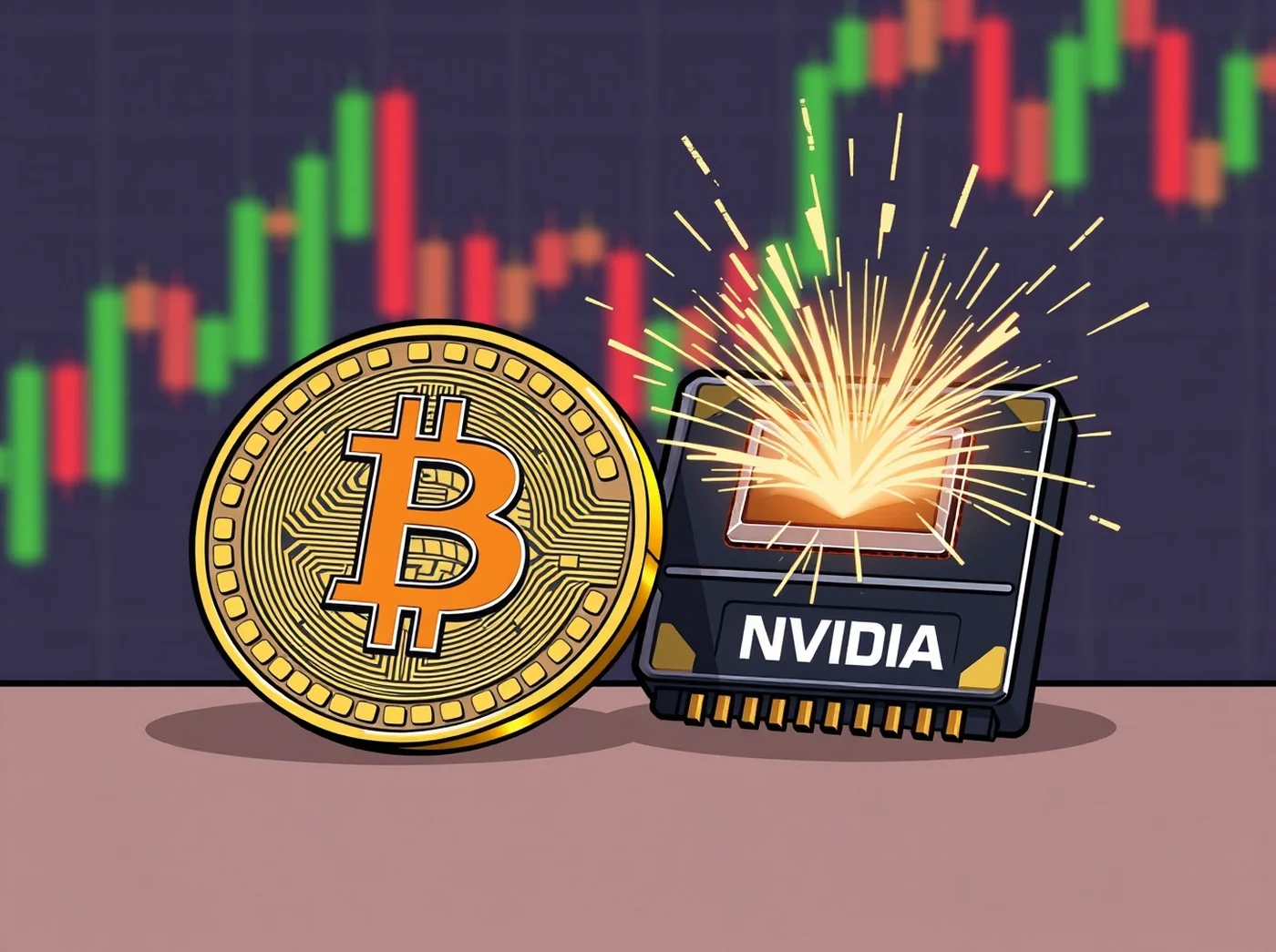
Bitcoin has historically exhibited significant price volatility, often surpassing the fluctuations seen in traditional assets such as stocks. This characteristic has attracted both investors seeking high returns and those cautious about risk. Currently, Bitcoin's volatility remains elevated compared to many established stocks, including Nvidia.
Overview of Bitcoin Volatility Trends
Over the years, Bitcoin's price has experienced sharp rises and falls, reflecting its evolving market dynamics and investor sentiment. While its volatility has been a defining feature, comparisons with other assets reveal that Bitcoin remains more unpredictable than many stocks at present.
Prediction for Bitcoin Volatility in 2025
Looking ahead to 2025, forecasts suggest a notable decrease in Bitcoin's volatility. This anticipated reduction could lead Bitcoin's price fluctuations to fall below those of Nvidia stock, marking a significant shift in the cryptocurrency's market behavior. Such a change indicates a trend toward greater stability within the Bitcoin market.
Factors Influencing Bitcoin's Volatility
Several key factors are expected to drive the decline in Bitcoin's volatility. Market maturity plays a crucial role, as increased adoption and liquidity tend to stabilize prices. Additionally, ongoing regulatory developments aim to provide clearer frameworks, reducing uncertainty for investors. Technological advancements within the blockchain ecosystem also contribute by enhancing security and transaction efficiency.
Implications of Reduced Bitcoin Volatility
A decrease in Bitcoin's volatility carries important implications for investors and the broader market. Lower price swings may attract a wider range of participants, including those previously deterred by high risk. This shift could enhance overall market stability and alter trading strategies. When compared to traditional stocks like Nvidia, Bitcoin's evolving volatility profile may influence how investors balance portfolios between cryptocurrencies and equities.
Why This Matters
For miners and investors in Russia managing up to a thousand devices, understanding Bitcoin's volatility trends is essential. Reduced volatility can mean more predictable returns and less exposure to sudden market shocks, which is crucial for operational planning and financial forecasting.
What To Do
- Monitor regulatory updates and technological developments that impact Bitcoin's market behavior.
- Consider adjusting investment and mining strategies to account for potentially lower volatility and increased market stability.
- Stay informed about comparative volatility trends between Bitcoin and traditional stocks to optimize portfolio diversification.