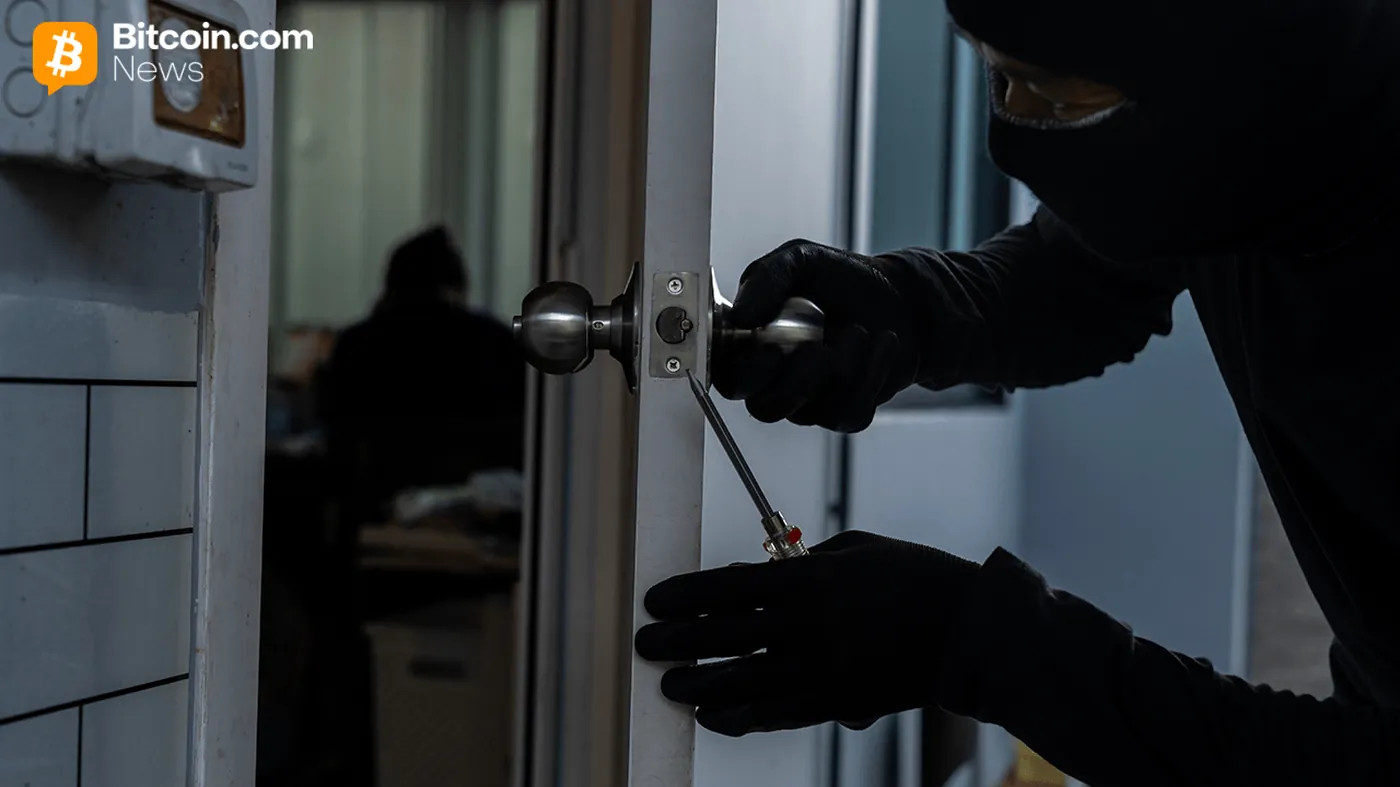
In 2025, Bitcoin entered the broad public sphere: US policy easing fueled a rally, pushing the price above $126,000. Alongside institutional inflows, a new wave of physical threats emerged—so-called "wrench attacks," where criminals use violence to gain access to digital keys.
Bitcoin's Growing Popularity and New Threats
The US administration's announced readiness to relax previous restrictions removed some regulatory barriers and encouraged capital inflows into crypto assets; this was one factor leading to Bitcoin's record price. Simultaneously, public legitimization and increased liquidity made it easier for criminals to convert and launder stolen funds, increasing the attractiveness of physical attacks.
Criminals increasingly began "hacking the person": using open sources, social media, and blockchain data, they identify wealthy owners and plan targeted assaults. For more on how external factors influence the market, see the article on geopolitical impact.
Escalation of Violence in France
France experienced a concentration of kidnappings and torture of individuals identified as "crypto-affluent," attracting international attention. In one widely reported case, the father of an alleged crypto millionaire was kidnapped, and perpetrators demanded an $8 million ransom in digital assets; the situation ended with tactical unit intervention.
Earlier, a targeted home raid occurred in the country, during which Ledger co-founder David Balland and his wife were abducted. In several incidents, criminals employed brutal tactics—inflicting injuries including finger damage on victims. French law enforcement strengthened protection and training of specialized units, temporarily reducing such attacks.
Fatal Cases and Global Spread of Threats
By the end of 2025, some attacks became lethal. In one case, a Russian crypto blogger and his wife were invited under the pretense of a business deal in the UAE and later found dead in the desert. In another, the son of a Ukrainian politician was killed for his digital assets; suspects were detained in connection with these incidents.
The trend spread to other regions, and not always were external syndicates solely responsible: one case in Uganda showed attacks involving trusted persons and security personnel. In response, many public figures and large holders began changing behavior, reducing publicity and limiting attendance at industry events. Methods of social engineering and protection against it are discussed in the article on social engineering.
Security Recommendations for Cryptocurrency Owners
- Practice "digital minimalism": clean up public profiles and avoid displaying ownership of large sums or expensive purchases.
- Transfer significant amounts into multi-sig wallets with geographically distributed keys so no single person can execute transactions alone.
- Maintain operational security during travel: do not publicize conference attendance, use trusted transport and security in high-risk regions.
- Use hardware wallets with "duress PIN" or canaries that allow victims to provide "fake" access with small amounts, keeping the main balance hidden.
- Strictly vet your inner circle: limit knowledge of keys and amounts only to those strictly necessary.
Why This Matters
If you hold Bitcoin or manage a mining fleet, the growing public legitimacy of the asset makes you more visible to criminals, even if you don't own a "whale" amount. Having equipped facilities or frequently showcasing income increases the risk of social engineering and targeted attacks.
Even a miner with a small farm of several devices can minimize risk by reducing public information about income and assets and applying basic digital and physical security measures. This helps lower the chances of becoming a target while maintaining operations.
What to Do?
For a miner in Russia with 1–1000 devices, practical steps are simple and feasible: first reduce public information about income and equipment, then conduct a basic digital audit and secure keys.
- Clean up profiles and avoid publishing information about income, equipment, or large operations—this is part of digital minimalism.
- Move significant holdings into multi-sig wallets, distributing keys across different physical locations and trusted individuals only as necessary.
- Use hardware wallets, explore "duress PIN" options, and store backup phrases in secure, separate locations.
- When traveling, avoid publicizing plans, inform only trusted people of routes if possible, and avoid announcing event attendance until after returning.
- Audit trusted persons and contractors: ensure access is limited and incident response procedures are in place.
Frequently Asked Questions
What triggered the Bitcoin rally in 2025? The US administration's announced policy easing on digital assets was among the factors coinciding with the price rising above $126,000.
What are "wrench attacks"? These are physical assaults involving violence to coerce owners into handing over digital keys and wallet access.
Where were these attacks most frequent? France recorded a concentration of kidnappings and torture; later incidents appeared in other regions, including markets with developing infrastructure.
What basic protective measures are recommended? Experts advise digital minimalism, multi-sig storage, strict operational security when traveling, use of duress PINs, and limiting access among trusted individuals.